The Celwyn Newsletter Issue 25

In this issue, interviews with:
- Taggart Rhenn, Canadian bookworm and speculative fiction author
- Ken Mora, graphic novelist and screenwriter
- Naching Kassa, mystery writer
- And part 2 of an interview by Mark Barsotti of science fiction writer Paul Di Filippo.
- Editor Jennie Rosenbloom’s article Marketing, the Hardest Part
- Gina Rae Mitchell’s article How Bookshop.org Works
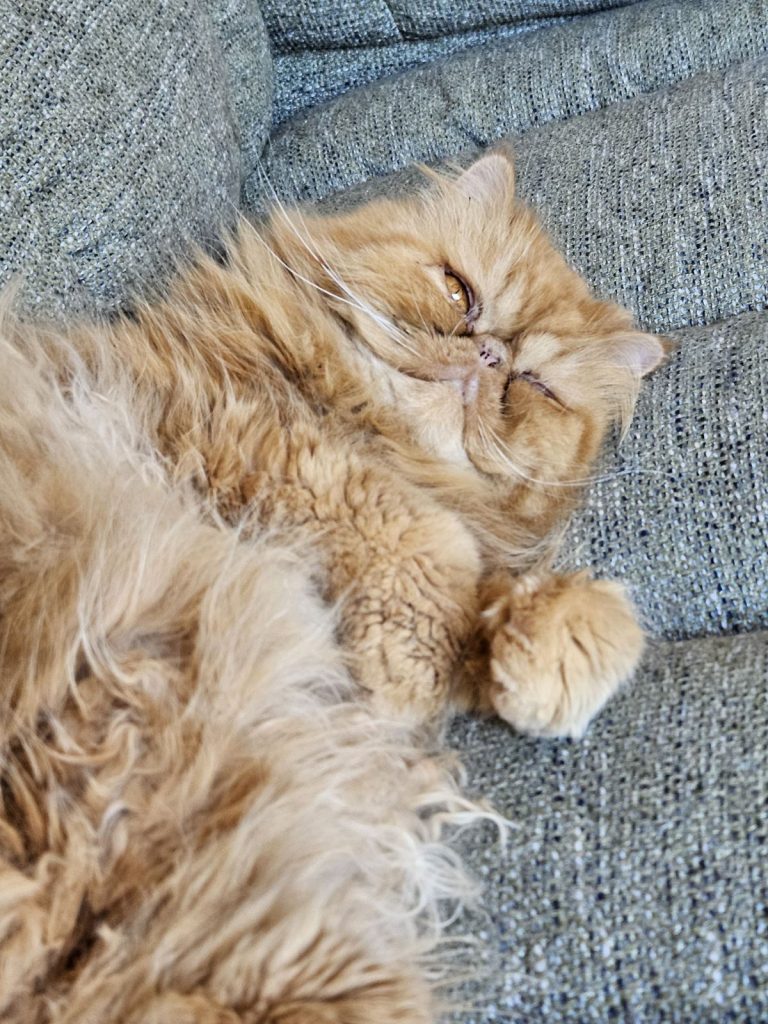
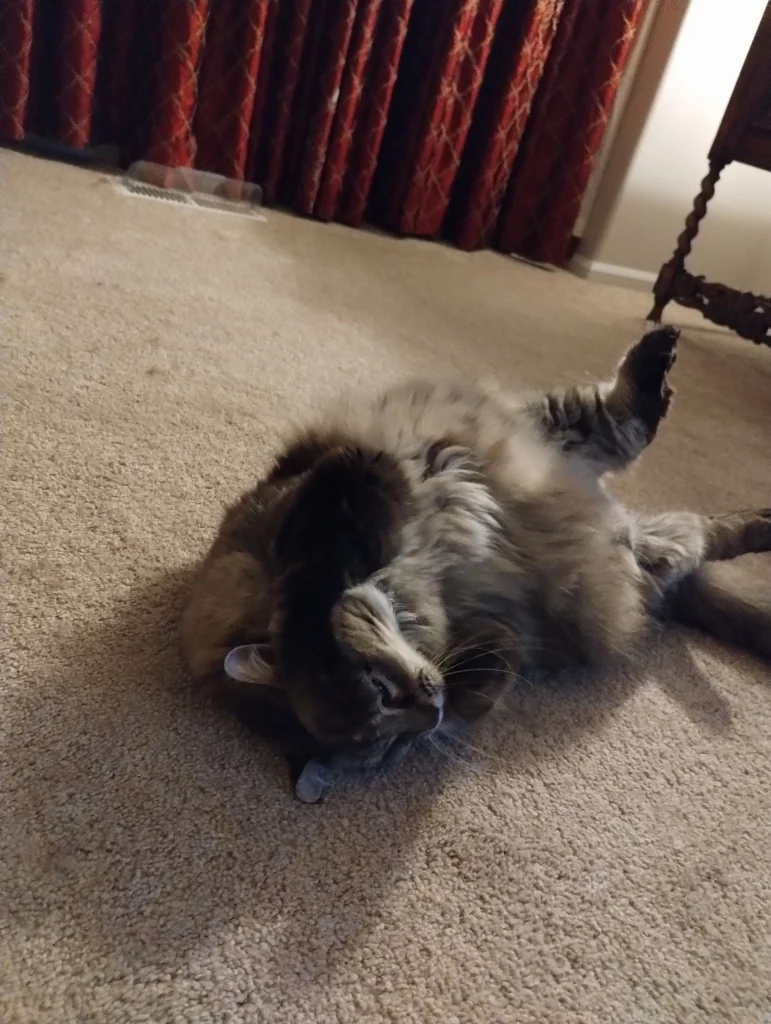
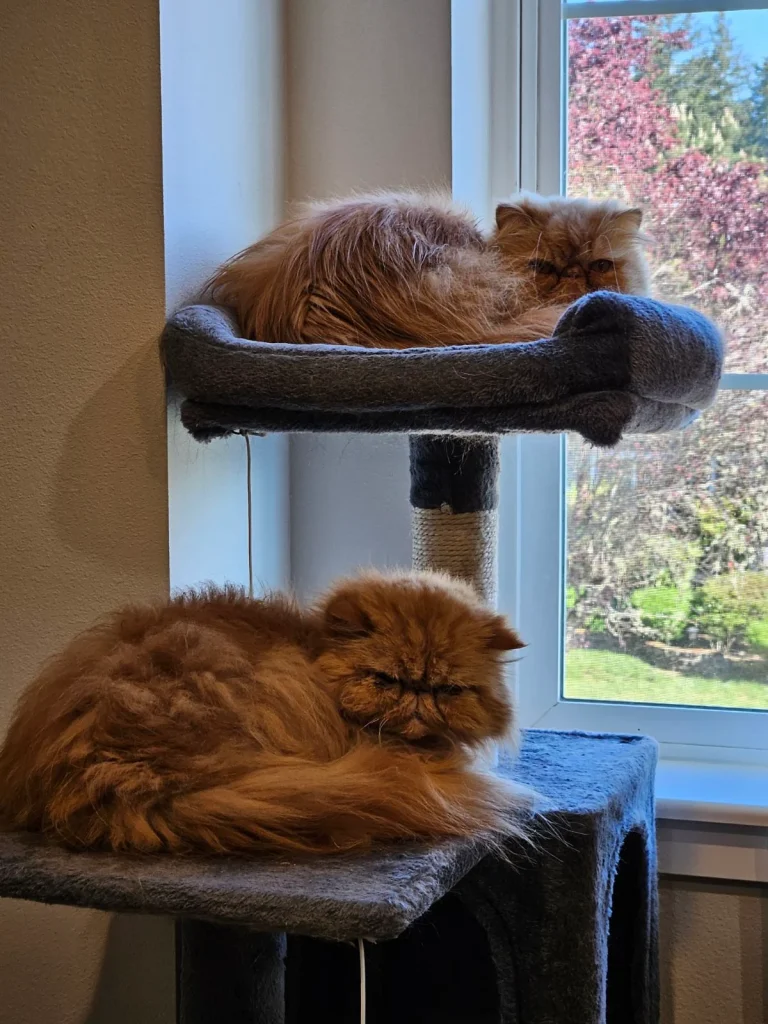
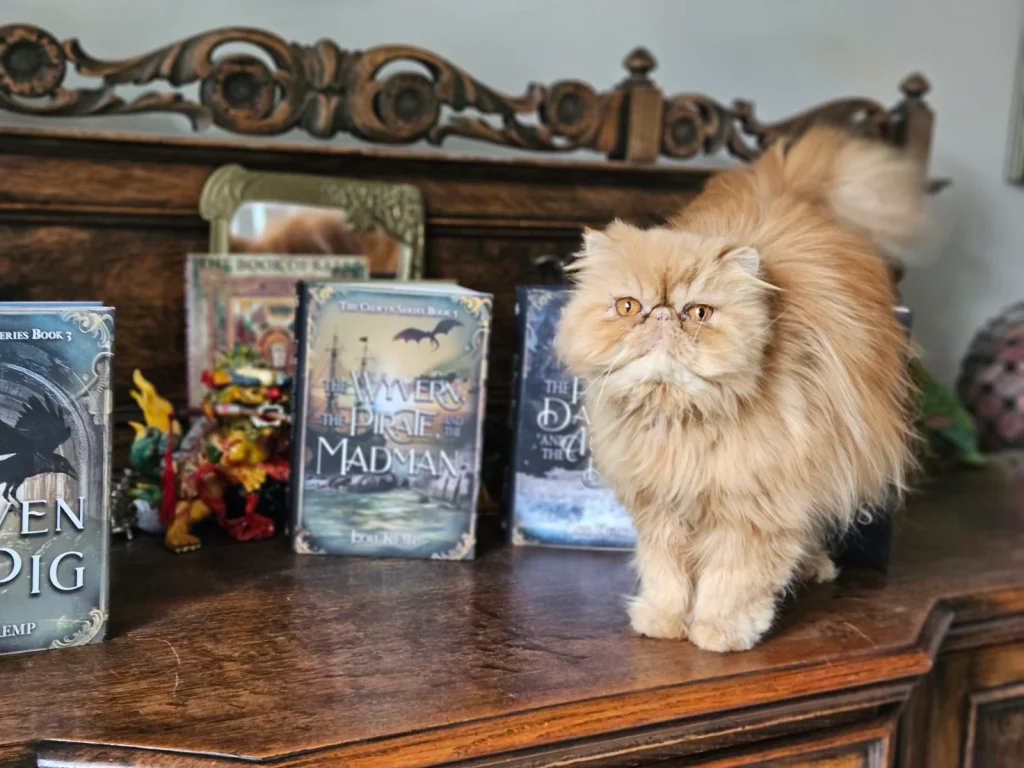
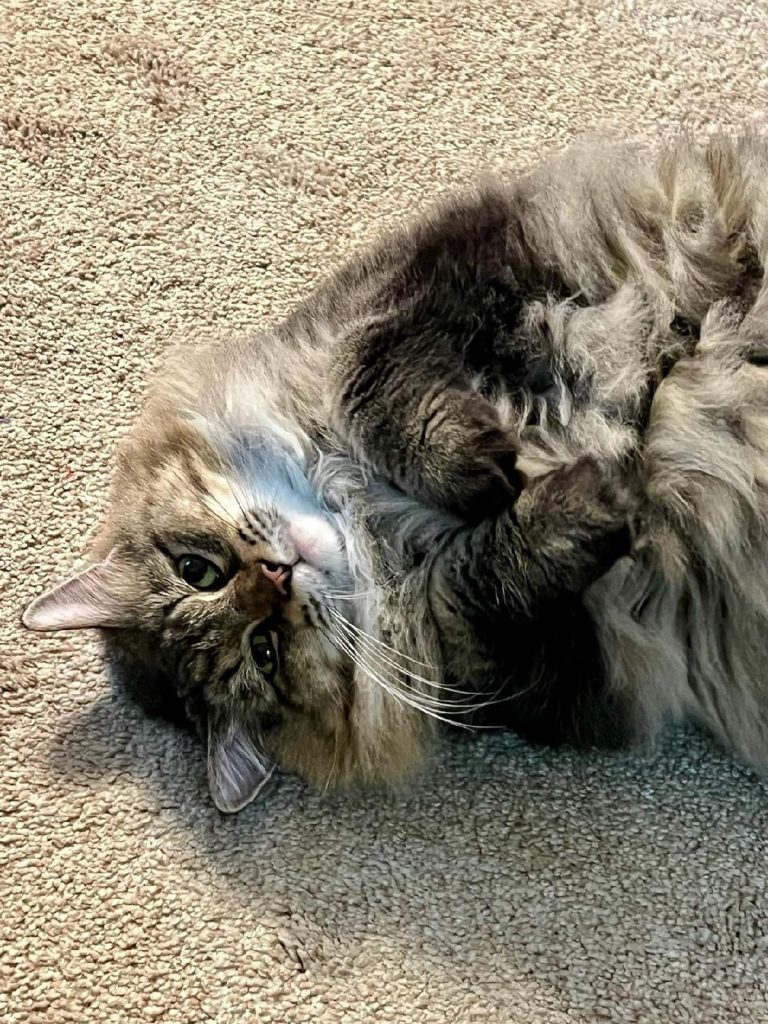
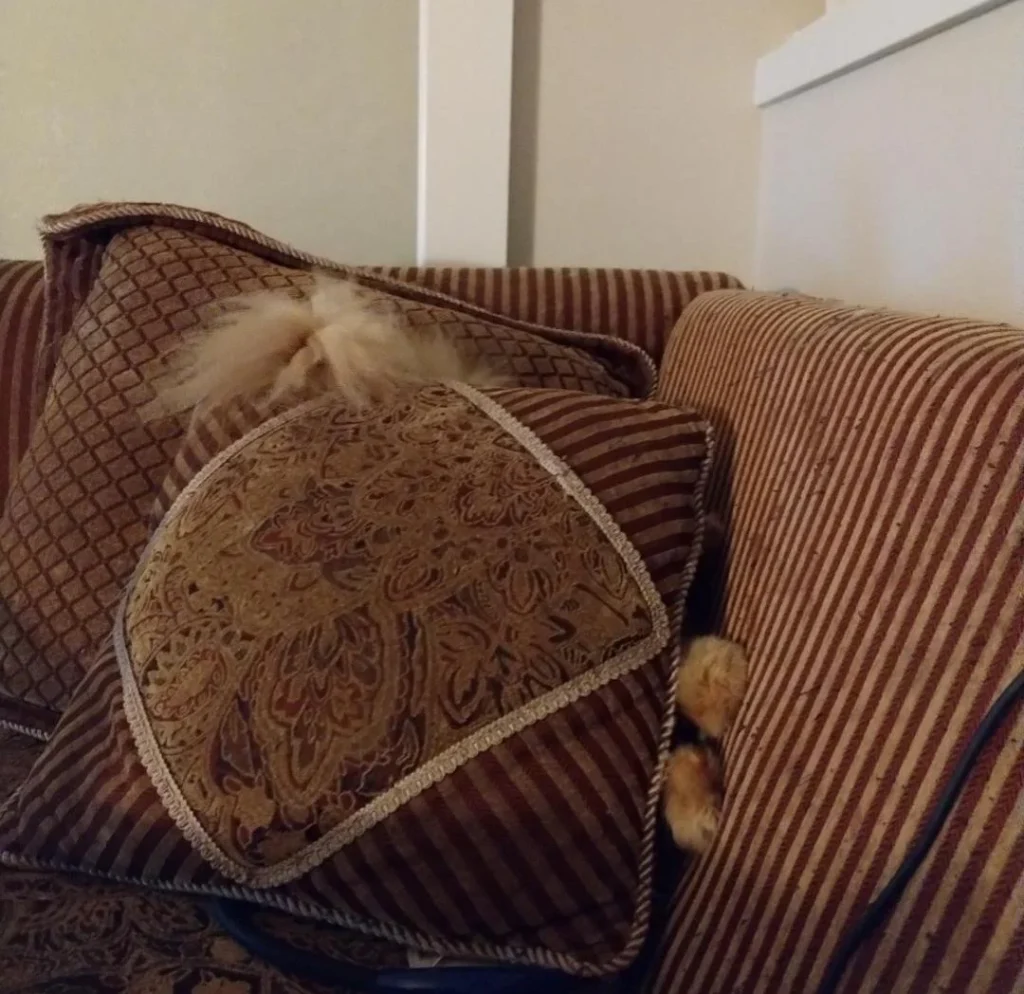
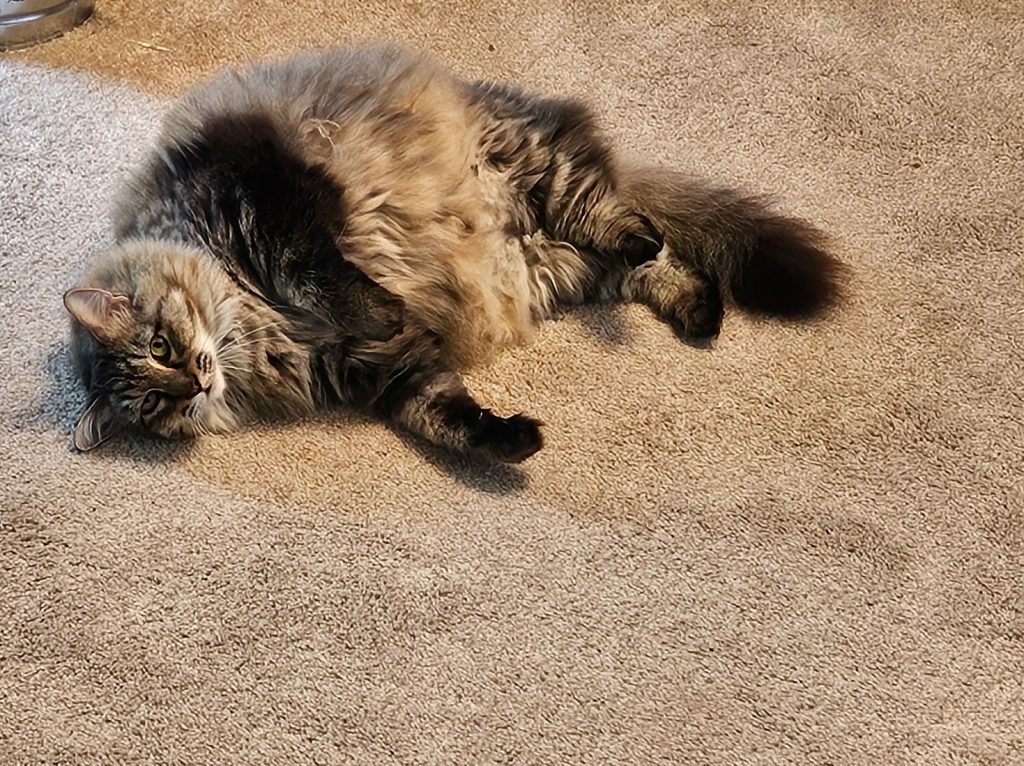
Celwyn’s Cats

He is saying, “How do I know what you did with page 45?”
Interview with Taggart Rhenn
Hunting down a demon from the stars … an alien world … Meanwhile, would they go back to save their loved ones and risk the End of Days, or finish their mission, hoping Kemet can survive just a little bit longer?

Bio:
Canadian bookworm and speculative fiction author Taggart Rehnn was drawn to science fiction, dark fantasy and historical fiction since he can remember. After decades in scientific R&D, in 2019 he began publishing novels that blend all three genres in varying proportions.
Balancing work life against your writing muse: How much does real life affect your writing, good or bad?
Writing feeds in part from one’s life experiences—but it also requires time away from them. Pearl S. Buck said: “Inside myself is a place where I live all alone and that’s how you renew your springs that never dry up.” The outside world, however, is always trying to get in there—more often than not, uninvited. If real life creates intolerable stress, or devours one’s writing time, the Muses go on holidays, and it may be difficult to do more than mechanically edit until they’re back.
For your own reading, what genre(s) do you read and why? If it isn’t the one you write in, would it be someday?
I was an Antiquity nerd before I became a History buff, a dark fantasy nerd before being a vampire lore buff, and a space opera nerd before attempting to blend a bit of all those passions in my novels. Why do that? I don’t know. I have an eclectic, but very segmented, reading taste—by this I mean: I have read other genres, some books among them excellent in their craft, yet they’re definitely ‘not-my-thing’. Will I ever attempt pure historical fiction or dungeons and dragons fantasy? I have no idea—the Muses are temperamental and they take us to unimagined places when we least expect it.
Can a villain be sympathetic, or should they do good deeds in order to be redeemed in the eyes of those around them (or the readers)?
Except in comedic writing, ‘cartoonishly’ evil or good characters often seem stilted. Moreover, sometimes doing what’s right is simpler, even for the vilest of beings. Is that redeeming, then? Should evil characters always seek redemption? In action packed stories, villains are very bad, crafted to be destroyed in some spectacularly savage way, to loud cheers by the intended audience. (Baron Harkonnen being gobbled up by a Shai-Hulud, e.g.). In more romantic settings, they might start being horrible, to end up transformed by the power of love (Lestat in Queen of the Damned). In short, depending on the genre, redemption might not be practical or even desirable—or, conversely, the story itself, make it almost inevitable.
Do you feel there is a place in your books for politics or changing cultural viewpoints? Is that a danger to driving away readers?
Nowadays, politics and cultural issues are so prevalent that any believable story probably touches on them. Given that, one can become a crowd-pleaser, at the risk of boring readers with über-sanitized stories, or hope that those who can read between the lines can disagree without getting angry—and those who can’t, won’t notice. How risky each approach might be ultimately depends on the target audience. For example, tackling Romulan politics probably is safer than Roman politics, and that, safer than Romanian politics—especially in Romania.
Eight of Taggart’s novels are available now (see www.taggartrehnn.com/discover-new-titles), and two more will be published soon. Readers have compared his work to movies such as Underworld, The Da Vinci Code, Indiana Jones, Mission: Impossible, and Dune.
Find The Revenants on Amazon.
An Interview with Naching Kassa
Bio: Naching T. Kassa is a wife, mother, and writer. She’s created short stories, novellas, poems, and co-created three children. She resides in Eastern Washington State with her husband, Dan Kassa.
Naching is a member of the Horror Writers Association, Mystery Writers of America, The Science Fiction and Fantasy Writers Association, The Sound of the Baskervilles, The ACD Society, The Crew of the Barque Lone Star, The Beacon Society, The Sherlock Holmes Society of London, The John H. Watson Society and The Hounds of the Internet. She is the Talent Relations Manager at Crystal Lake Publishing and was a recipient of the 2022 HWA Diversity Grant

Do you have advice for an author tackling a new genre?
My advice is to READ. Read the best of the genre and read the worst. Take notes.
I write horror and mystery, two genres that seem unconnected but actually are. Find the similarities in the genres and use them. Don’t be afraid to experiment.
What kind of characters in what you read or write appeal to you the most, and why, with examples?
I enjoy writing and reading about people who could actually exist. That’s why I love Sherlock Holmes and Dr. Watson. So much of their interactions are realistic. They joke with each other, argue, and work together only as two real friends can. That’s what makes them so great.
Who is your favorite villain of all time and why?
There are so many wonderful villains, it’s hard to choose. I guess I’d have to say my most favorite villain is Colonel Sebastian Moran. Now, I know that Professor Moriarty is Sherlock Holmes’ equal, and nearly ended him at Reichenbach Falls, but he doesn’t have the pure fury and skill of Moran. Moran may not be as intelligent as Moriarty, but he is clever and he’s loyal to the memory of his friend. He’s so loyal, he pursues Holmes even after the Professor’s death. A good villain shouldn’t believe he’s evil. He should believe what he’s doing is right. And Moran believes he’s in the right.
Can a villain be sympathetic, or should they do good deeds in order to be redeemed in the eyes of those around them (or the readers)?
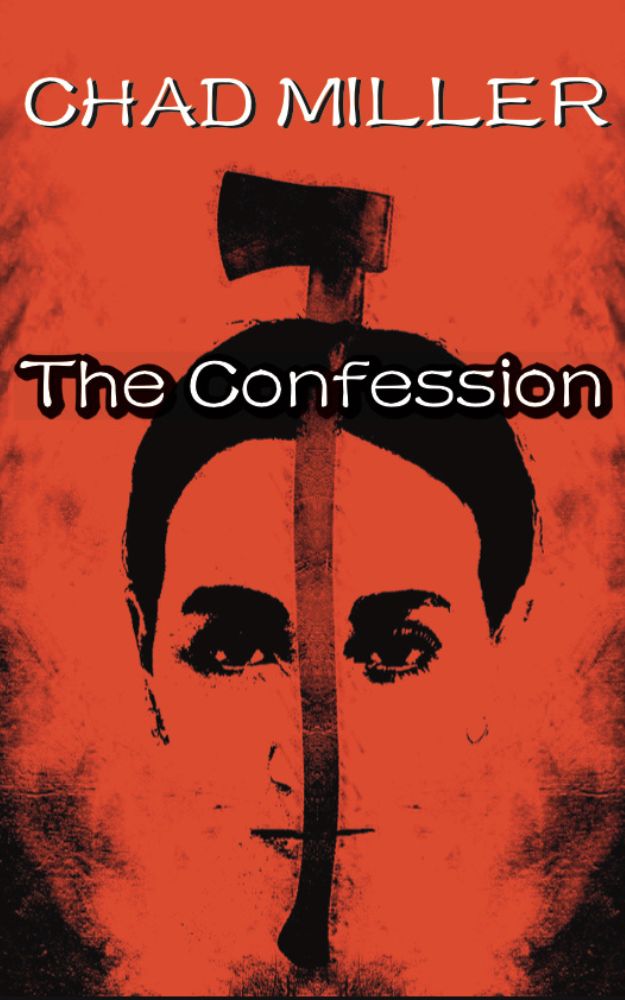
If you’ve ever read Crime and Punishment by Fyodor Dostoevsky, you’ll understand the definition of sympathetic villain. Raskolnikov is an axe murderer, a man who murdered two innocent women. He’s irredeemable, and yet, the people around him don’t treat him so. Sonya, the girl who loves him, is entirely devoted to him. Even Porfiry Petrovich (the inspiration for Peter Falk’s Detective Columbo) treats him kindly. By the end of the book, you actually feel sorry for Raskolnikov. Maybe, it’s because what he endures after the crime is worse than any punishment he could have received.
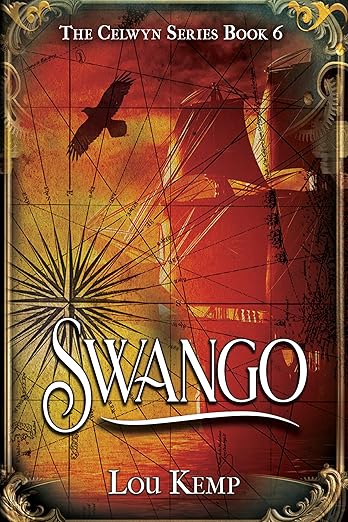
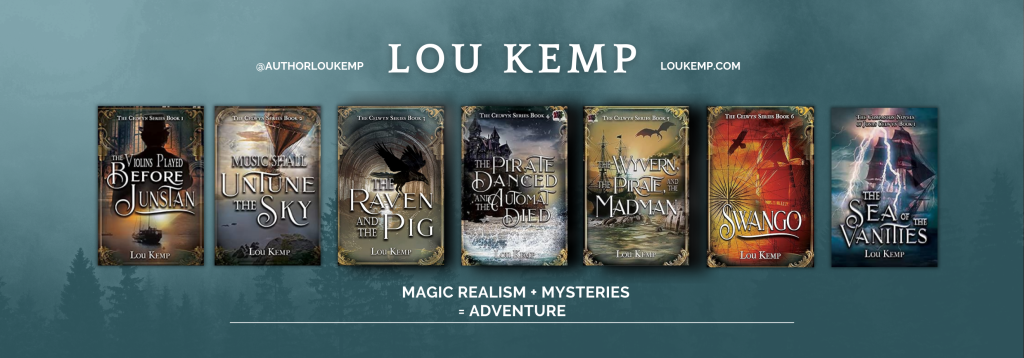
Book 6 of the Celwyn Series, Swango is available everywhere now. Pelaez is back and causing trouble. Here is a link to the first review: https://www.amazon.com/gp/customer-reviews/R2CPQG49OMU42N/ref=cm_cr_dp_d_rvw_ttl?ie=UTF8&ASIN=B0DGN3SC5R
An Interview with Ken Mora
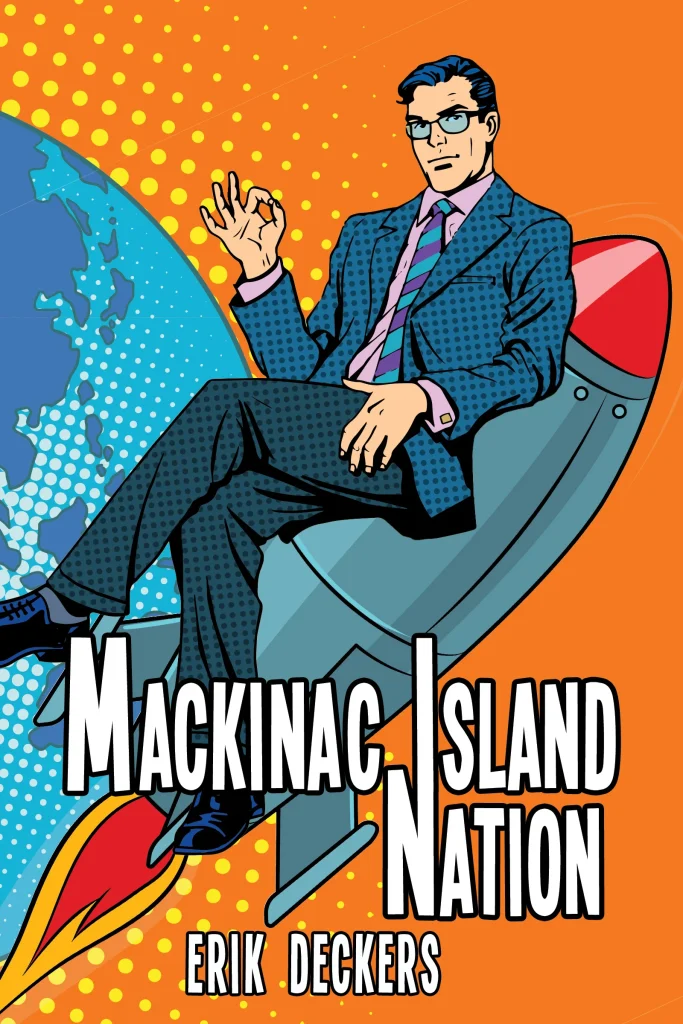
His art revived the dying Church. Ambition exposed his hidden lover. His sword sealed their tragic fate.

Ken Mora is an American screenwriter and graphic novelist best known for Caravaggio: A Light Before the Darkness, a richly researched and visually compelling exploration of the life of the Baroque master. Life-long fan of movies, sci-fi books, comic books, then “the classics” and philosophy. Because describes how he was recently been diagnosed and treated for ADHD – and that it explains why he looks like Philip K. Dick in a fistfight with Kurt Vonnegut, and writes like the love child of Edgar Rice Buroughs and Arthur Conan Doyle. A BFA graduate of USC’s Roski School of Fine Arts, Mora is dedicated to character-driven narratives, blending artistic insight with literary storytelling through his publishing imprint, Ken Mora Creates, at https://www.kenmora.com/.
Can a villain be sympathetic, or should they do good deeds in order to be redeemed in the eyes of those around them?
This is a facet of a most compelling question. You can see I’m a screenwriter by my examples. Today’s most compelling villains are heroes. Heroes defend some undeniable truth, as do modern Villains which makes them relatable. Characters like Walter White (Breaking Bad) and Jasmine French (Blue Jasmine) aren’t “redeemed,” but we understand them. We don’t condone their bad actions, or fear their consequences; we cheer their rare good ones, seeing them as steps to some path to redemption.
Walter White (played by Brian Cranston), is a brilliant mind sidelined by the tacit machinations of business partners who offer a ‘good deal’ buy-out, and then he sees that company flourish, as his career degrades. He’s tempted into crime not out of malice, or greed, but by a wounded pride we can all relate to. A truth we would all defend.
Jasmine French, is a socialite who collapses into ruin with no capacity to adapt. When faced with divorce despite being the perfect Trophy Wife for their fertile, productive years, she faces being left behind for a younger woman and being expected to live on a fraction of the wealth she helped amass during her marriage. She was used, and now pursued for liability in financial crimes in which she was tacitly complicit. She took the risks, and where are her rewards? Her downfall is real and relatable even if the situation isn’t. We wish both her and Walter White some path to grace.
Welcome, to the new Villain, the one that defends some undeniable, even noble, truth which we too can relate, and would seek to defend, though perhaps not from the ramparts of the shattered lives, withered dreams and broken bones of victims we fashion in their construction.
Do you have suggestions about promoting books on social media?
Yes I do, and it sucks to hear, but this is it. Prepare to spend money. It’s going to cost – oh, sure, you can substitute time and effort, but as the saying goes, time is money, so you’ll have to make the decision about whether you are a better publicist or writer.
I know a couple of writers that are good at both. And by that I mean two. One is Russel Nohelty, and if you can’t learn from him and become a New Your Times bestselling author and Amazon top 100 for your genre the way he is, then you’re not qualified to be one of the do-it-yourself promoters. The other author prefers I not use her as an example, but I’ll take the liberty of divulging her gender. She keeps her self-made success secrets to herself. Oh, and by the way, they’re both really good.
The rest of us either need to spend money or learn the hard way that we should have. I was at the point, after having spent around $28K altogether in putting my Graphic Novel together (not accounting for sweat equity) when I met a good publicist: the type that could get me on hundred thousand plus podcast shows, local tv news shows before local bookstore signings in the book reading hotspots across the country. The kind who knew which celebrities read my kind of book and would talk about it. She told me that after a year, I would spend easily as much to promote, but judging by the quality of my books, my consistent Amazon star rating, and my award win-to-enter percentages, I should be a best seller. But selling myself would be my second job. The planning and the drudge part would be hers, and I just had to show up and be engaging, but it would take a year or year and a half, and I could do it.
She gave me the names of authors she had done it for, aside from the one (a romance writer who I can’t mention – and I’ll let you guess why) and I was impressed.
And instead, I decided to save myself money and not go with her. It was a mistake.
Find Caravaggio: A Light Before the Darkness on Amazon.
Editing!!! Jennie Rosenblum
Jennie Rosenblum is an independent editor for small publishers and indie authors. Since 2014, she has been happily self-employed helping authors. Feel free to reach out to her at www.jenniereads.com.

MARKETING – THE HARDEST PART
Hands down, the hardest part of writing a book is not during, but after, when the marketing takes over. Here are a few things you can do while writing your book that might help make that path a little easier.
Build Your Author Brand
- Create a professional author website with a blog, contact page, and links to your social media.
- Set up social media profiles (Facebook, Instagram, Twitter, TikTok, etc.) and start engaging with readers in your genre.
- Start an email newsletter to build a mailing list of potential readers.
Grow Your Audience
- Engage in online book communities (Goodreads, Reddit, Facebook Groups).
- Share behind-the-scenes content (writing process, character teasers, cover reveal).
- Run a giveaway or contest to generate interest.
Prepare Marketing Materials
- Have a compelling book blurb and author bio ready.
- Create eye-catching graphics (cover mockups, teaser quotes, countdown images) using tools like Canva.
- Write press releases and pitches for bloggers, bookstagrammers, and book reviewers.
Plan for Reviews
- Send ARCs (Advanced Reader Copies) to book bloggers and influencers in your genre.
- Set up a launch team of enthusiastic readers (spouse, sibling, neighbor) who will help promote the book.
Optimize for Sales
- Research and choose relevant keywords and categories.
- Write a strong book description with compelling hooks.
- Decide on pricing strategies, including launch discounts.
Plan Launch Events
- Organize a virtual launch party (Facebook, Instagram, or YouTube Live).
- Set up book signings, if possible, at local bookstores, libraries, religious centers, etc.
- Plan blog tour or podcast appearances to discuss your book.
Consider Paid Promotions
- Research book promotion sites (BookBub, Bargain Booksy, Fussy Librarian) for launch-week deals.
- Run targeted ads on Amazon, Facebook, or BookBub.
Have a Long-Term Plan
- Outline a content calendar for ongoing marketing (blog posts, social media updates).
- Plan follow-up books or short stories to keep readers engaged.
- Keep engaging with your audience to maintain interest in future projects.
Absence and hopefully only a temporary farewell from Jennie.
I’ve loved sharing with you all through this newsletter, but I’ll be taking a break from my column. Around here, we believe in saying YES and figuring it out later—so when the hubby suggested we take over daycare for our brand-new grandson, I didn’t hesitate. The “figuring it out” part, though, has meant trimming my workload, and sadly, this column ended up on the chopping block.
But honestly… have you seen that face? How could I say no?
Keep writing, keep reading, and I hope our paths cross again soon!
At the end of the day, book blogging is a passion project.
How Bookshop.org Works (In Simple Terms)
Bookshop.org is an online bookstore that helps support independent bookstores. Here’s how it works:
- Buying Books: When you buy a book on Bookshop.org, a portion of your purchase goes toward helping independent bookstores. You can either choose a specific bookstore to support or let your purchase contribute to a general fund that gets shared among indie bookstores.
- Supporting Local Shops: Independent bookstores can set up their own storefronts on Bookshop.org and earn a percentage of sales made through their links. This helps them sell books online without needing to run their own e-commerce site.
- E-Books Now Available: Bookshop.org now sells e-books in addition to print books! Their e-books work through the Glassboxx app, which allows you to read your purchased books on your phone, tablet, or computer. This gives readers another way to support independent bookstores while enjoying the convenience of digital reading.
- A Convenient Way to Support Indie Stores: Bookshop.org offers the convenience of online book shopping while ensuring that profits help keep local bookstores alive.
So, if you want an easy way to buy books (print or digital) while supporting small businesses, Bookshop.org is a great choice!
Here is a link to my Bookshop.org page: https://bookshop.org/shop/GRM
Mark Barsotti’s interview with Paul Di Filippo Part 2

Science fiction writer Paul Di Filippo has published hundreds of short stories, twenty story collections, eleven novels, and been nominated for over fifty literary awards (winning accolades in England and France) since 1977. I spoke to Paul about his current novel Vangie’s Ghosts. The novel, Vangie’s Ghosts, and short story collection Starfields are his latest books.
Mark: I think you deserve a huge audience. Any theory why that didn’t happen?
Paul: Some writers strike a popularity chord that others just don’t hit. Bruce Sterling once told me there are 10,000 Bruce Sterling fans in the universe and that’s as high as it’ll go. It’s no shame to have a smaller audience, especially if they’re fervent and smart and dedicated. There’s no formula to manufacture mass success. I consider career perseverance almost as important as instant and perhaps fading celebrity.
Mark: What’s one piece of advice for writing effective science fiction?
Paul: I always remember Chip (Samuel) Delany’s advice: it’s not necessary to be an expert to write science fiction; you just have to sound like an expert.
Mark: Your recent collection Starfields contains 19 stories published between 2016-2023. Ever worry about running out of ideas?
Paul: Well… I work slower. Hopefully wisdom and experience will carry you through. I’ve still got a huge love for the short story mode. I try to do more novels but short stories will always draw me back.
Mark: Your 1990 story “One Night in Television City” famously featured Donald Trump as the President of the United States…
Paul: I’ll take credit or blame for that. (laughs) But it’s really the only score that I’ve ever made in terms of science fiction prophecy.
Mark: Why do great villains appeal to readers?
Paul: Probably because we get to vicariously explore our own dark nature in a safe, non-destructive way. And other than in speculative fiction or fantasy, no genre lets you actually destroy everything (laughs). It’s definitely an emotional itch people like to scratch. It’s like the song, ‘Everybody Wants to Rule the World.’
Mark: Your stories often contain a lot of humor and great zingers. Do you carefully craft those lines or do they just spontaneously emerge?
Paul: I would say maybe it’s 50/50. You always want a certain amount of spontaneity, but sometimes, like a good comedian, you’ve got this zinger that you’ve crafted some time ago and decide, here’s a good place to work it in. That involves a certain amount of artifice, which you hope you know isn’t too apparent.
Mark: In your story “Providence,” the main character’s a tank-like robot addicted to old vinyl records. Today’s pop culture often pops up, even in far-flung futures. Why?
Paul: The difference between so-called low culture or pop culture and actual, quote culture, is an artificial division. Robert Heinlein said every writer is competing for the consumer’s beer money. There’s like a zillion entertainment opportunities today, and how we consume and love one as opposed to another is very fruitful and interesting territory to work in.
Mark: What’s the role of a writer of speculative fiction in today’s hyper-speed, social media world?
Paul: The first and most important job is to entertain. Beyond that – and this doesn’t certainly apply to every story – the best science fiction can invoke a kind of gravitas that we need to help understand life, or at least explore very existential realities, life and death…
Mark Barsotti is the author of the novel Adrift Just East of Denver, and the rock music books Rock Is Dead They Say… Vol.1 and Yakety Yak Rock’s Greatest Quotes. His short fiction has appeared in Ellery Queen’s Mystery Magazine and elsewhere. During his six years as a rock critic, his work appeared regularly in Denver’s Westword and magazines like Musician, Request, and D.J. Times. He lives in San Diego with his cats Ed and Harlan.
The Celwyn Series YouTube channel
What is New with the Celwyn Series?
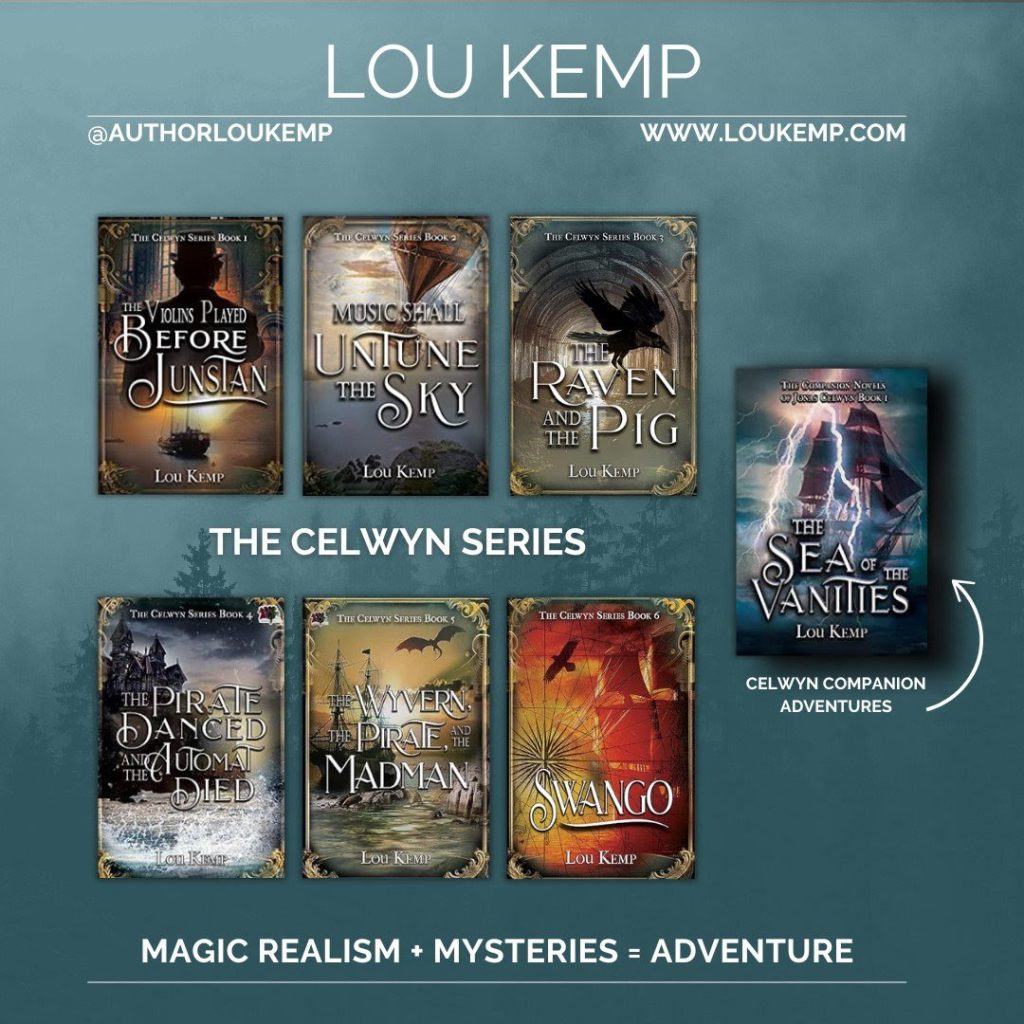
What is new with the Celwyn Series?
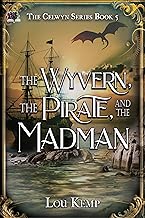
To make the changes to the direction of the series, beginning with book 8, I had to go back and add to or change parts of the near ready manuscript for book 7. Despite my attention span, knack for losing things, the antics of the cats, and any other handy excuse, work is progressing on book 8. (Sorry no disasters to report this month, but perhaps in the June issue)
When I resolved all the initial issues with book 8 (I’m sure there will be many more), the tentative title hit me. Arwen’s Time.
Upcoming, in addition to book 7 later this year is The Cyclopedia of Celwyn, an ebook companion to the series that contains all characters, their backgrounds, and everything Celwyn. There is no release date yet, and I’m about 80% complete, all without losing any of it. Amazing!
In case you need some background:
Book 6 Swango Mini-blurb: The adventurers find Mrs. Nemo, and her twenty year- estranged husband, Captain Nemo, is a bit upset. The magician’s first encounter with Swango is told as they plan for the Nautilus’ journey to the Castell de Ferro in Spain where Doctor Jurik Lazlo is hiding. Captain Nemo has been searching for him for a long time.
For book 7, Lucky and Mrs. Nemo, here is the unofficial blurb.
On Findbar, they’ve added another scientist. Dr. Martha Gluck (aka Lucky) who is a character, literally and figuratively. She enjoys a lively gunfight, doesn’t faint at the sight of magic, and accepts danger as a jolly good time. She finally draws the line when she meets up with the broadsword wielding ghost, Mrs. Spencer.
An educated guess is that it will be out in fall 2025.
Shameless Buy Links to booksellers who carry the Celwyn series. |
|---|
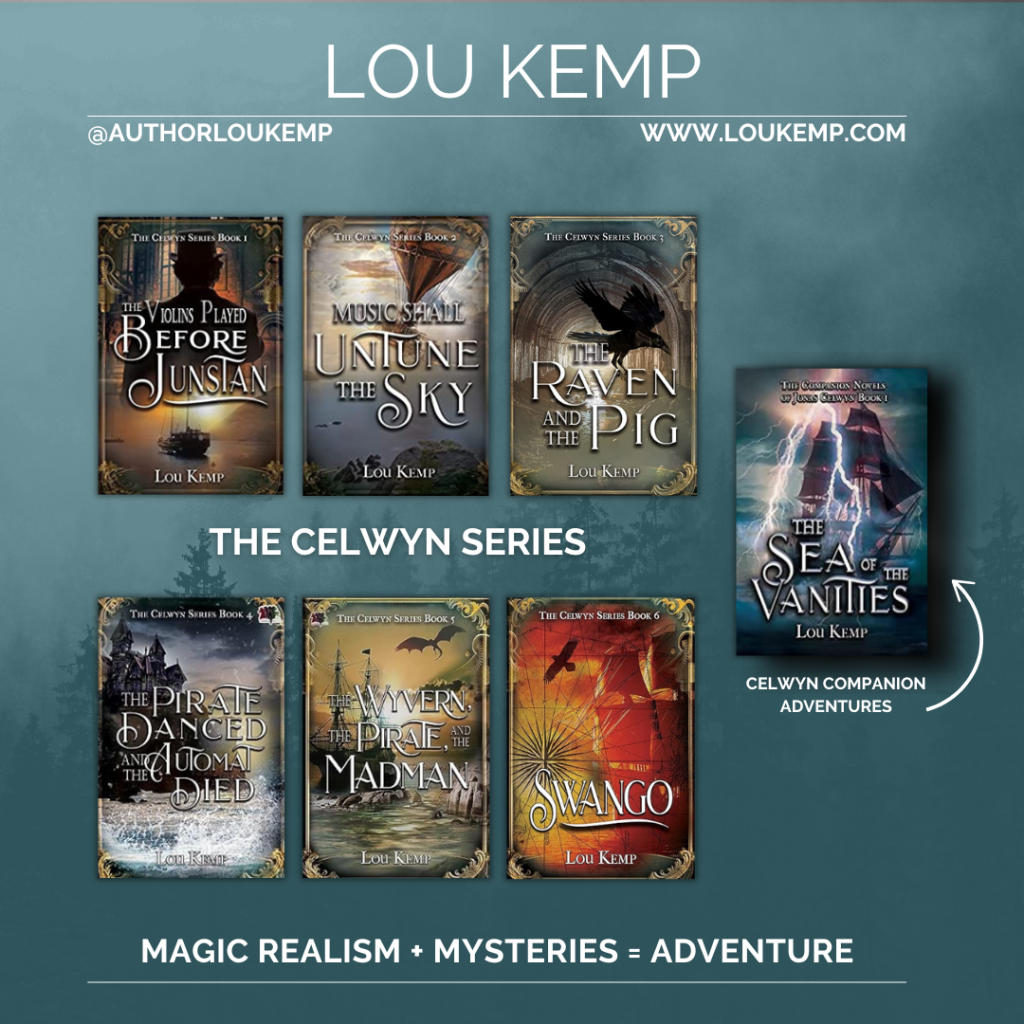
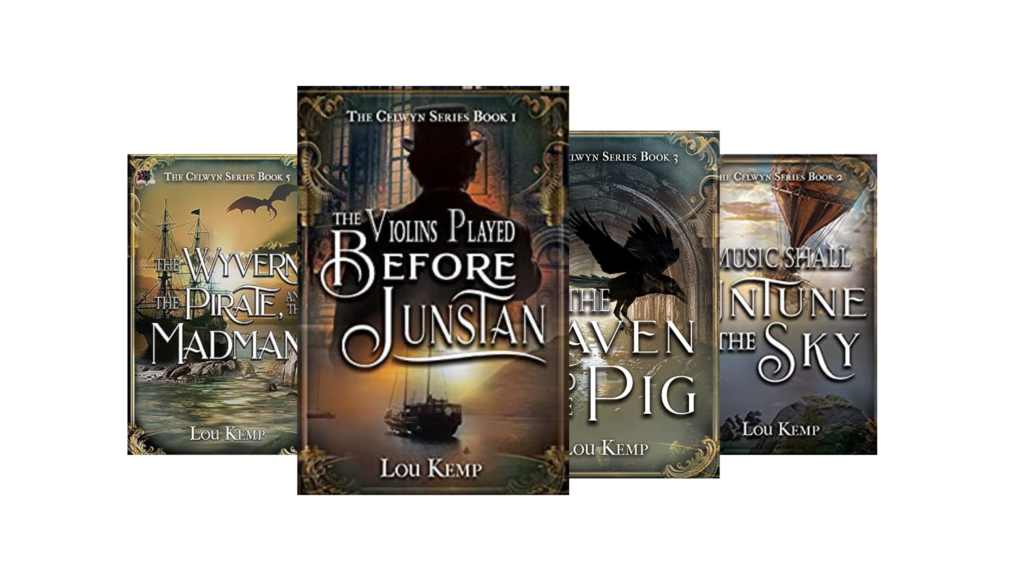
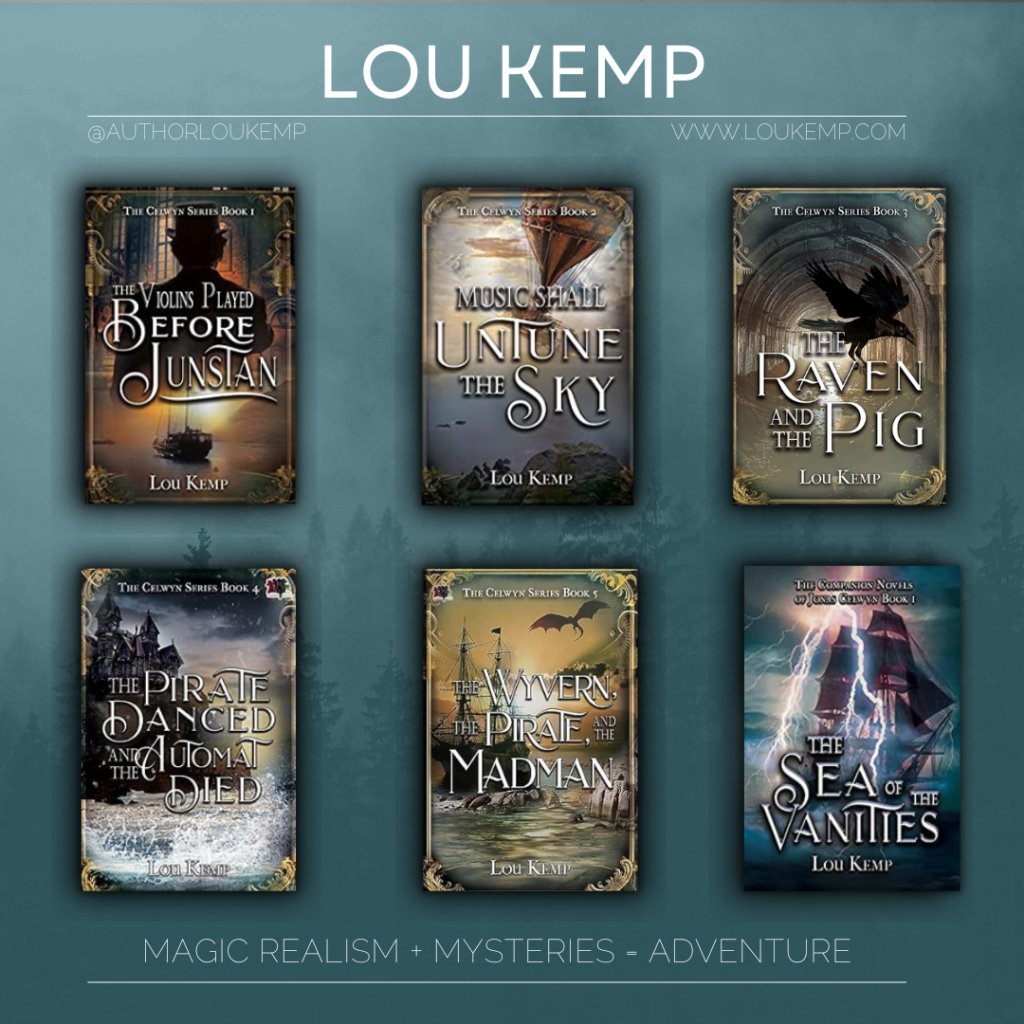
The Violins Played before Junstan book 1 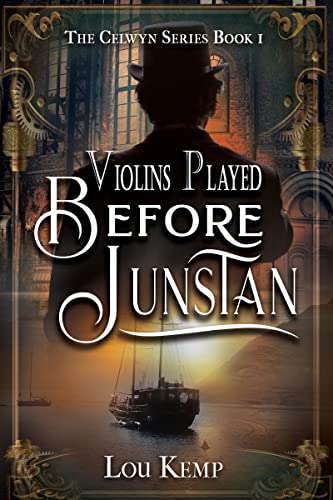 https://books2read.com/celwyn01 Music Shall Untune the Sky book 2  https://books2read.com/celwyn02 The Raven and the Pig book 3 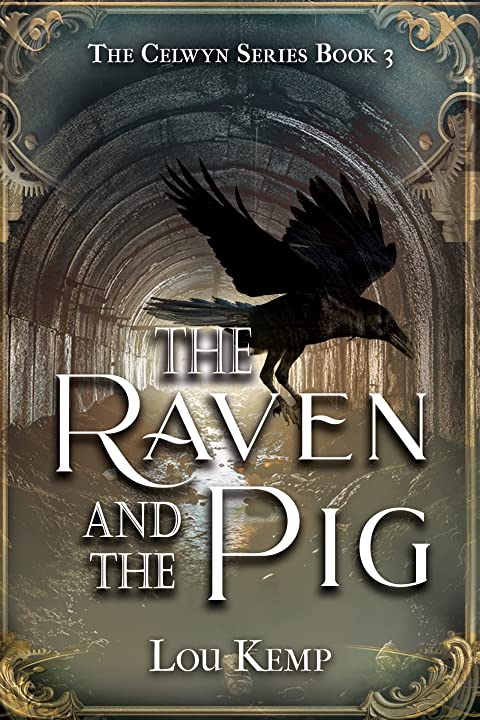 https://books2read.com/celwyn03 The Pirate Danced and the Automat Died Book 4  https://books2read.com/celwyn04 The Sea of the Vanities. Companion book. 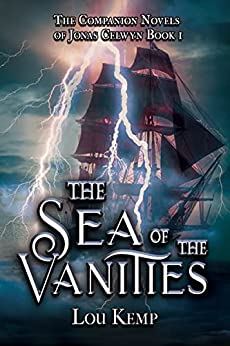 https://books2read.com/celwyncompanion01 The Wyvern, the Pirate, and the Madman Book 5  https://books2read.com/celwyn005 Swango Book 6 https://books2read.com/swango/ |


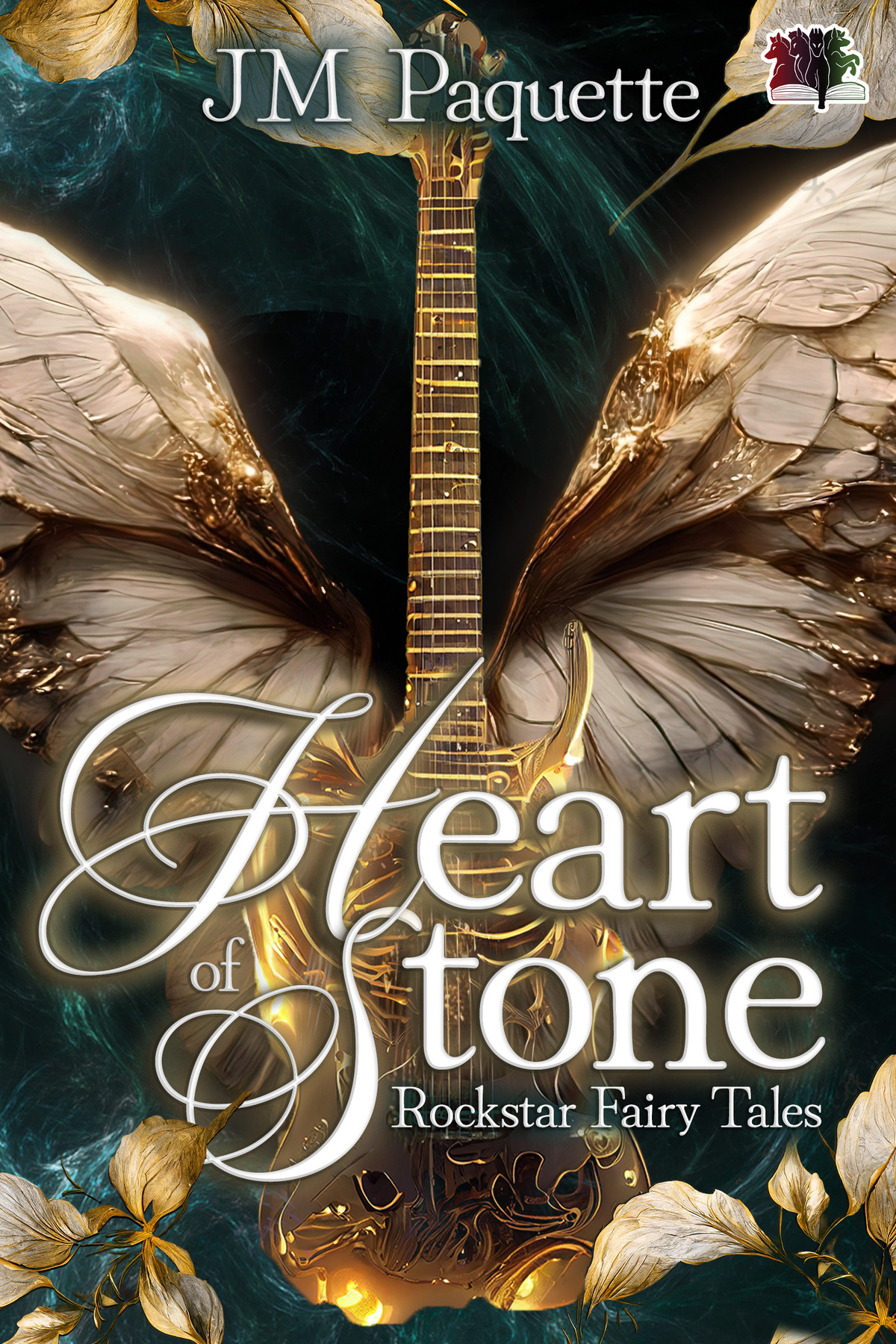 Jen Paquette, author of Heart of Stone. Establish a writing routine sooner and leave it open to some adjustments. I’d have a regular schedule for writing time that doesn’t depend on anything else (no “I’ll write IF” statements).
 Anne E. Ball, PHD, author of Embracing Calm. I would hire the professionals who do things I can’t do well—cover designers, copy editors, book formatting, etc.
 Bob Van Laerhoven, author of Scars of the HeartIn Flanders, they say I’m eccentric and a lone wolf in literature. In the beginning, I tried to hide it. I should have showed it earlier.
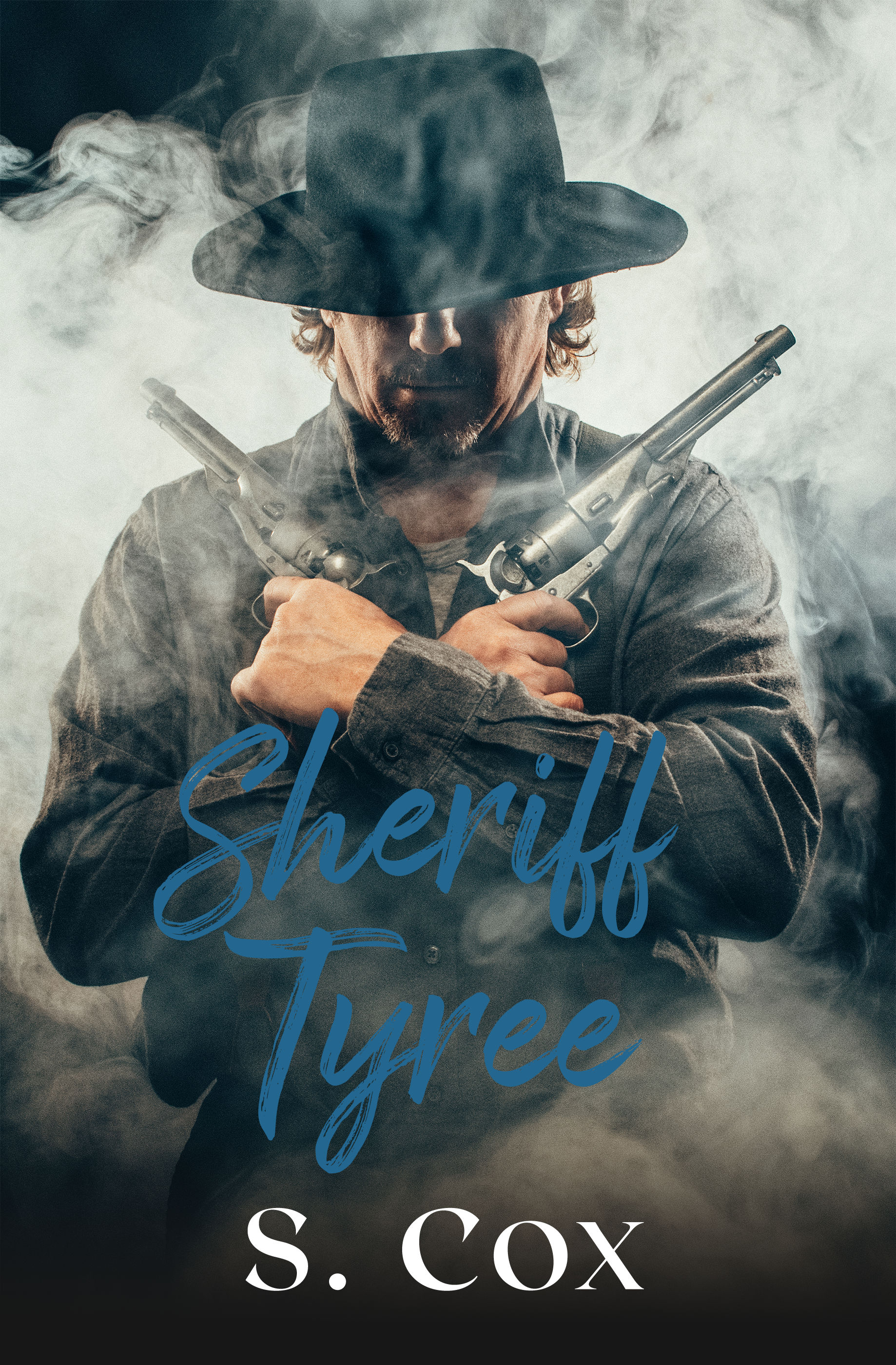 Sandra Cox, author of Sheriff Tyree. I wish I had started and stuck with Westerns instead of genre-hopping for so many years.
 Benjamin X. Wretlind, author of Aebris Storm. I’d get feedback sooner, be kinder to myself, and work on handling both criticism and creative ups and downs with more emotional intelligence.
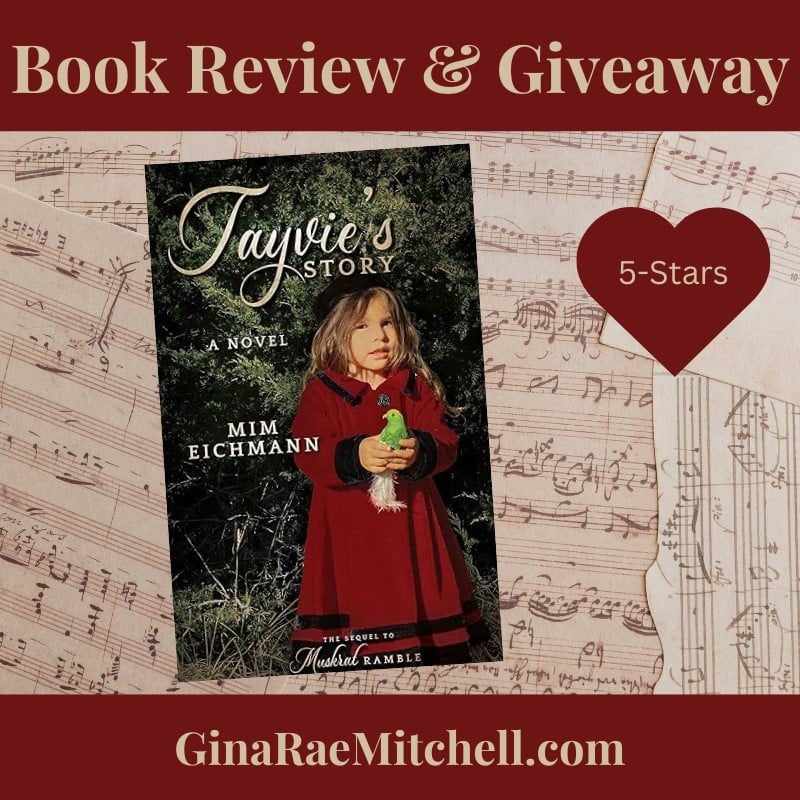
 Mim Eichmann, author of A Sparrow Alone. To answer your question, I would have begun my writing career twenty years earlier!
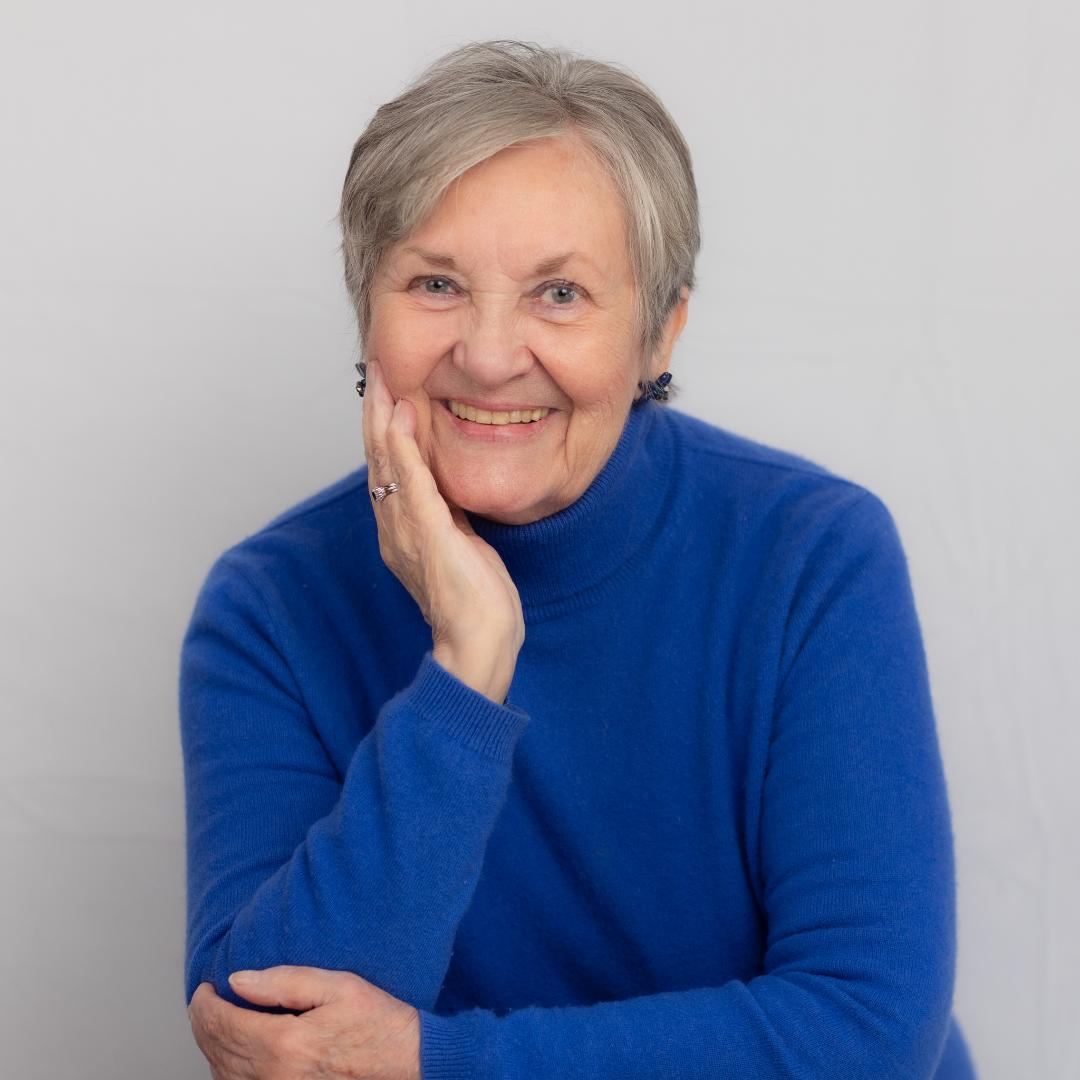 Dorothy Anne Spruzen, author of The Knight, the Gnome, and the Fox. I started taking my writing seriously on my 60th birthday and earned my MFA in Creative Writing at 65. My advice? If you feel the pull, go for it. Don’t wait around.
 S. W. Raine author of Rise of the Sky Pirate. I’d make sure to correctly build my audience of ideal readers instead of aiming for any and all readers.
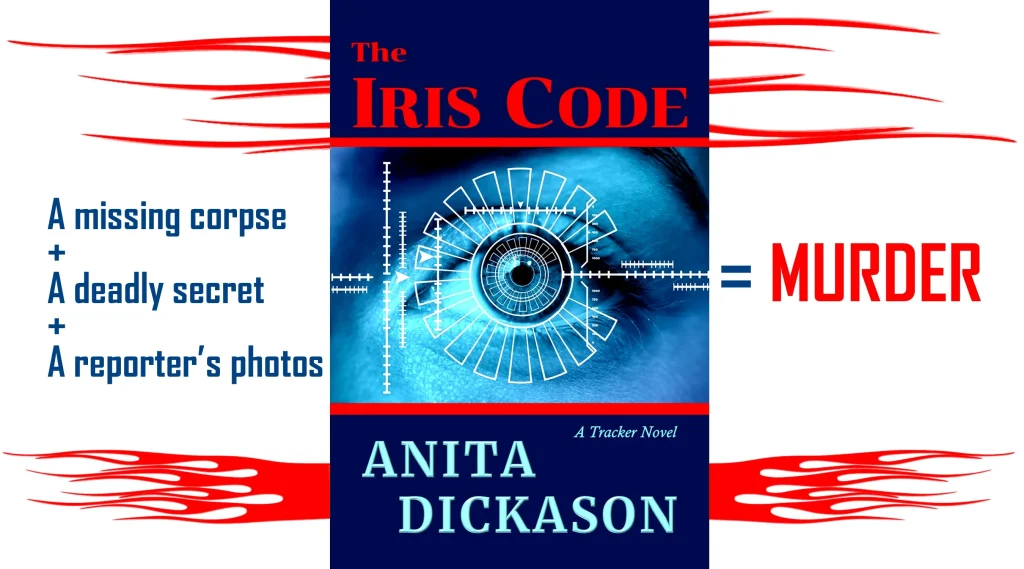
 Anita Dickason, author of Deadly Business. Nothing! I have far exceeded any expectations I had when I wrote that first book.
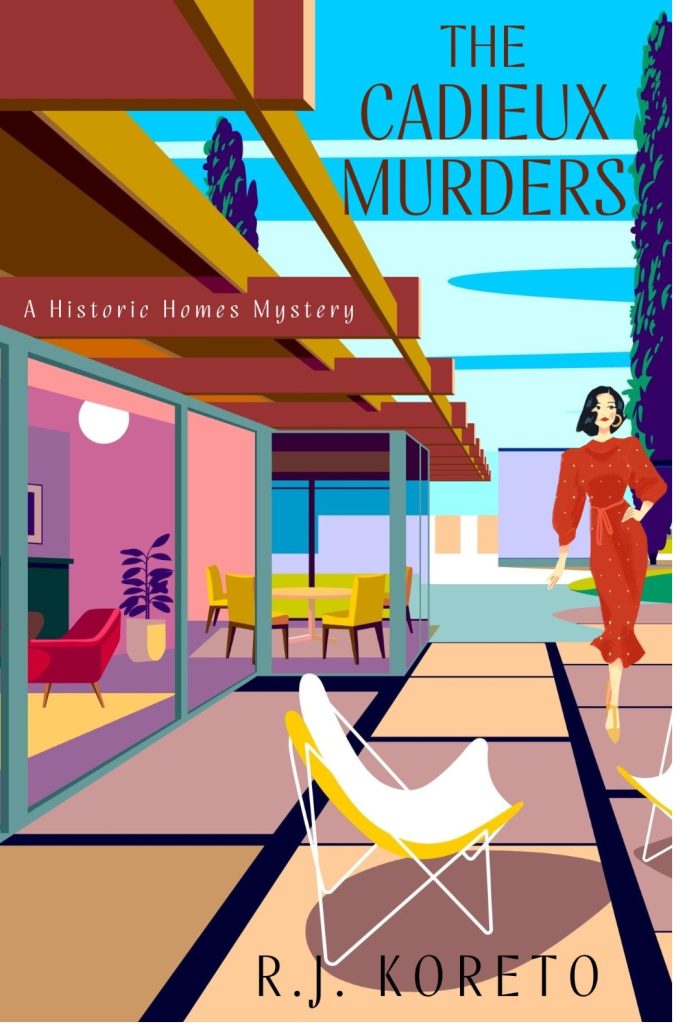
 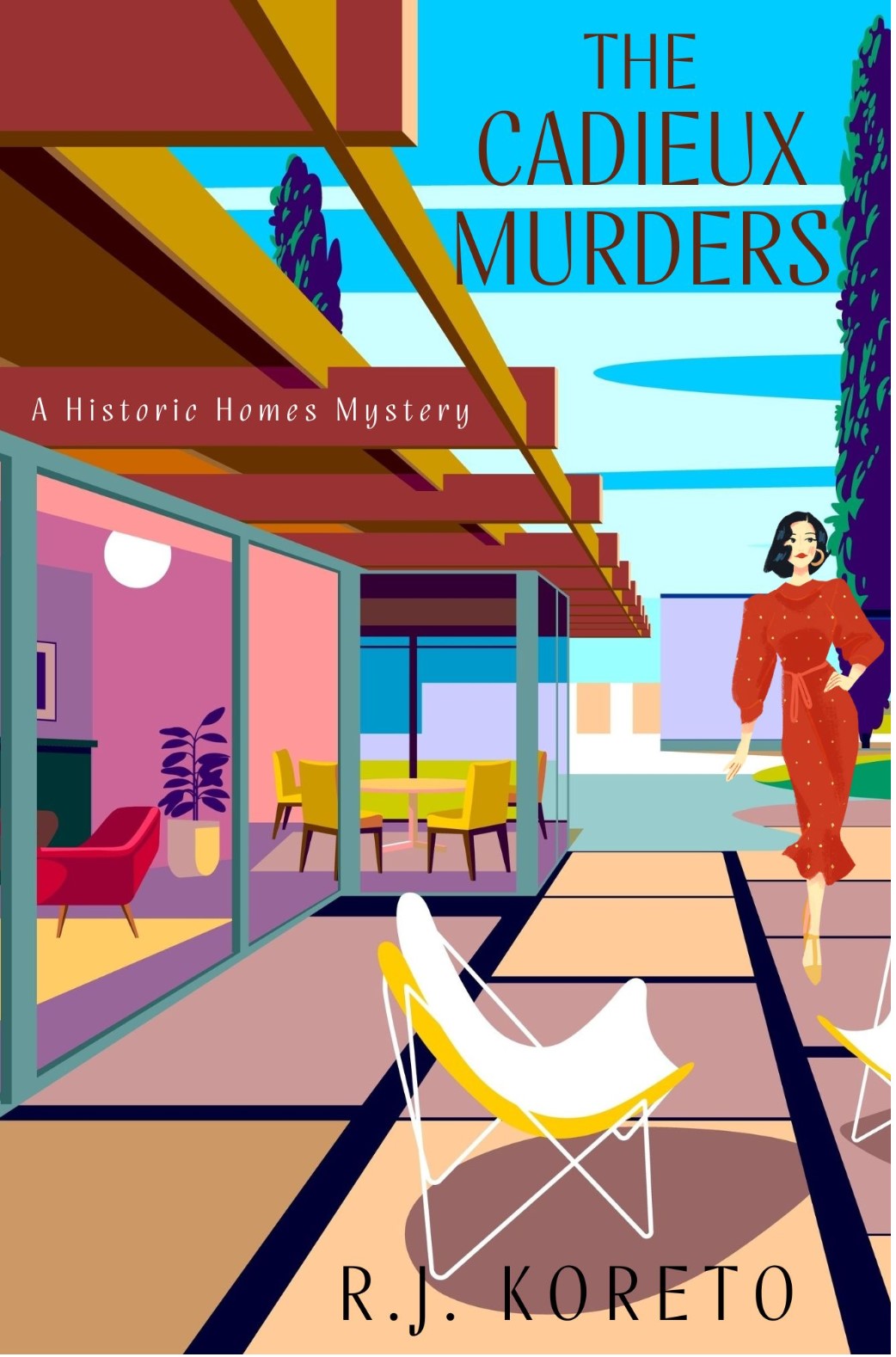 Richard Koreto, author of the Cadieux Murders. I’d keep in mind Mickey Spillane’s dictum: “The first page sells this book. The last page sells your next book.”
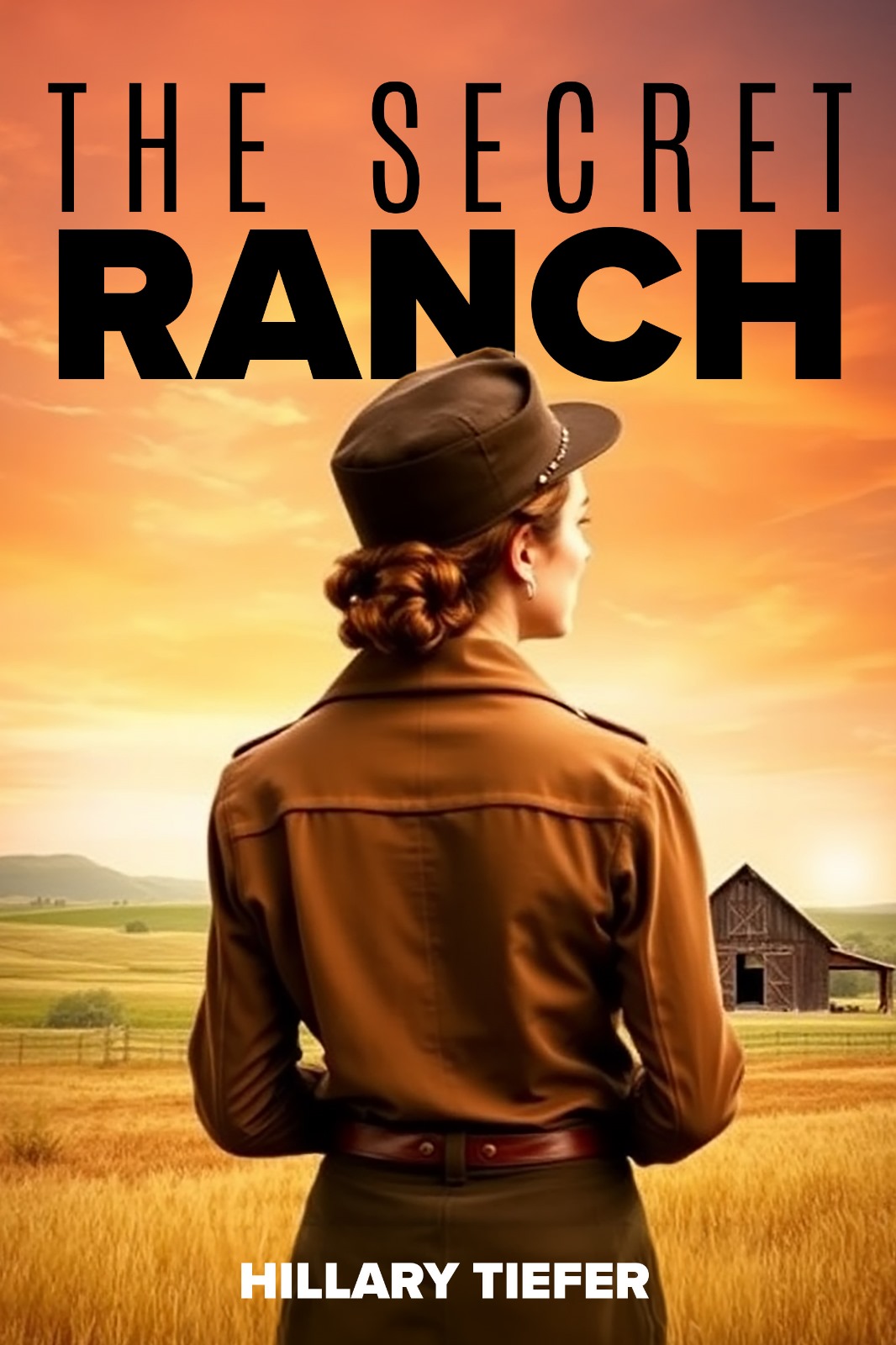 Hilary Tiefer, author of The Secret Ranch. If I were to begin my writing career over, I would do careful research before using a small press, making sure the publisher was ethical.
 K B Jackson, author of Until Depths Do Us Part. If I could start my writing career over, I would make sure I had a better understanding of the market, of my genre, and I wouldn’t pants my way through my first draft.
 Peter Angus, author of Fabyan Place. I would begin my second (and third) immediately! It is easier to edit a page with writing on it than one that is blank!
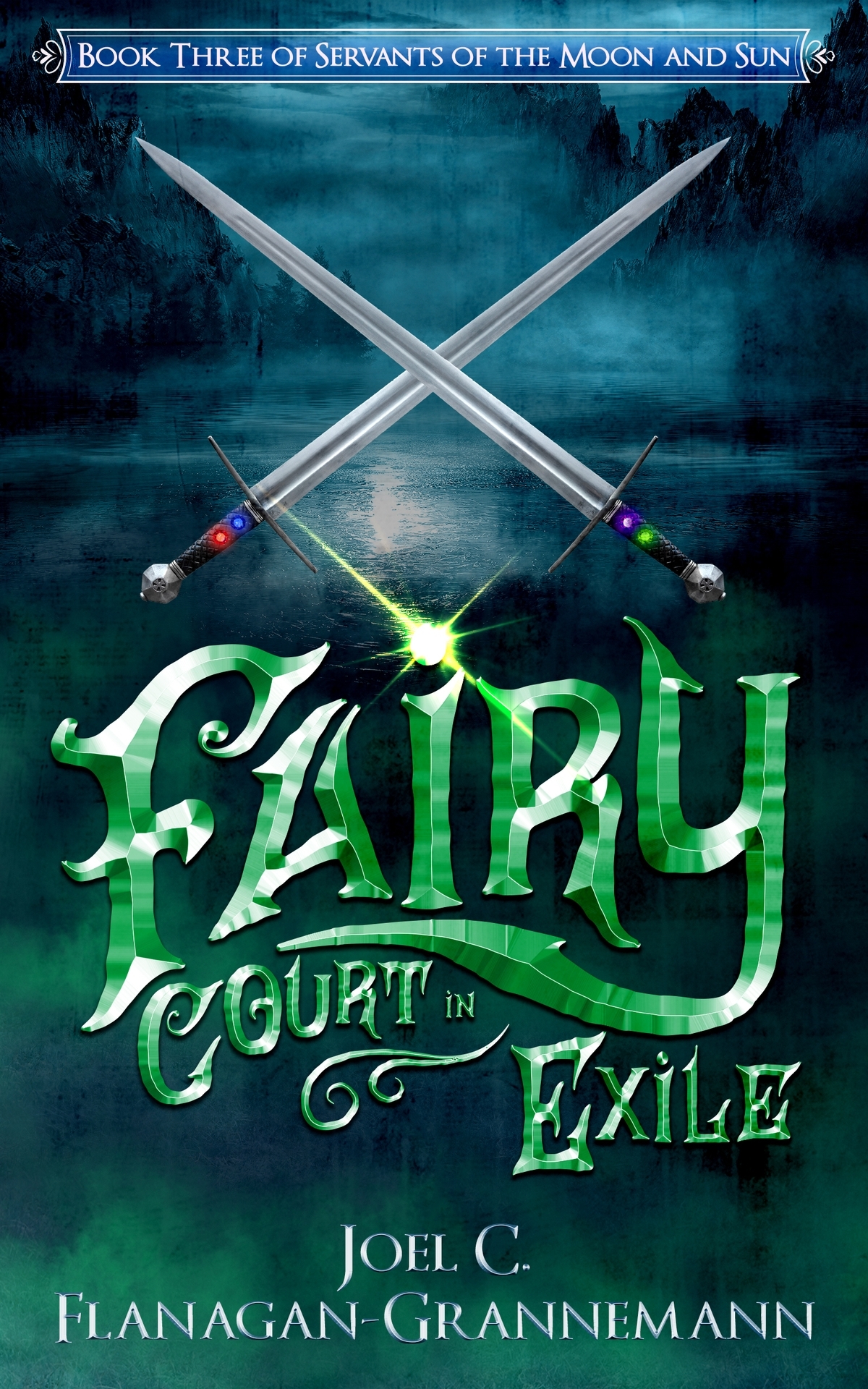 Joel Flanagan-Grammarmann, author of Fairy in the Land of Exhile, I would get a professional cover from the start, not a year in.
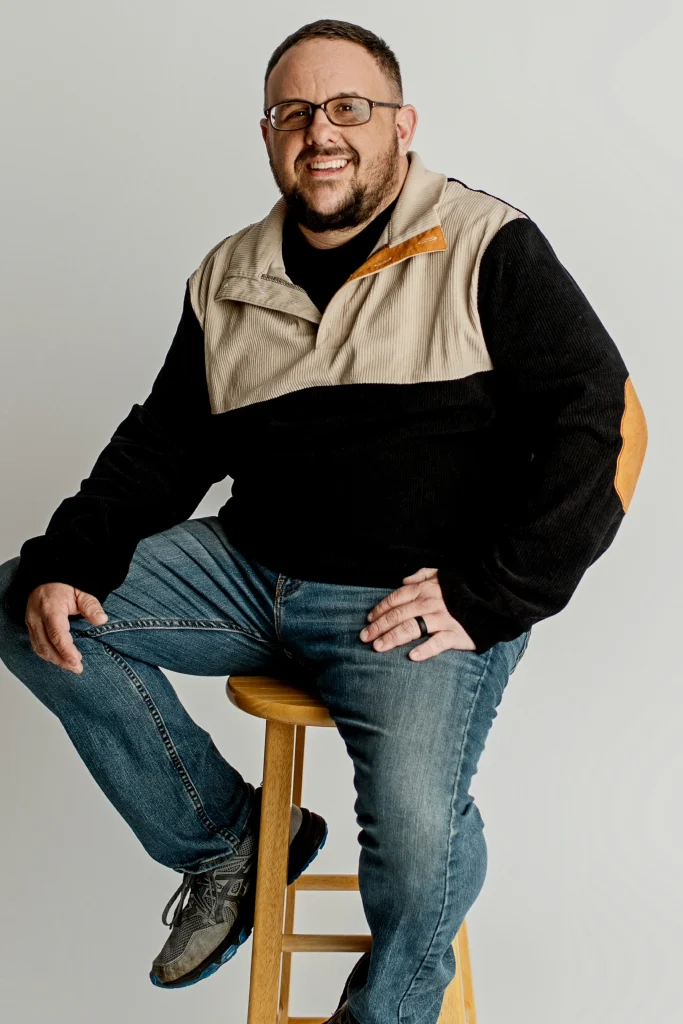
 Nick Savage, YA author of So We Stay Hidden. Third, I wish I had taken the time to get proper feedback on a query letter and taken the time to write a proper one
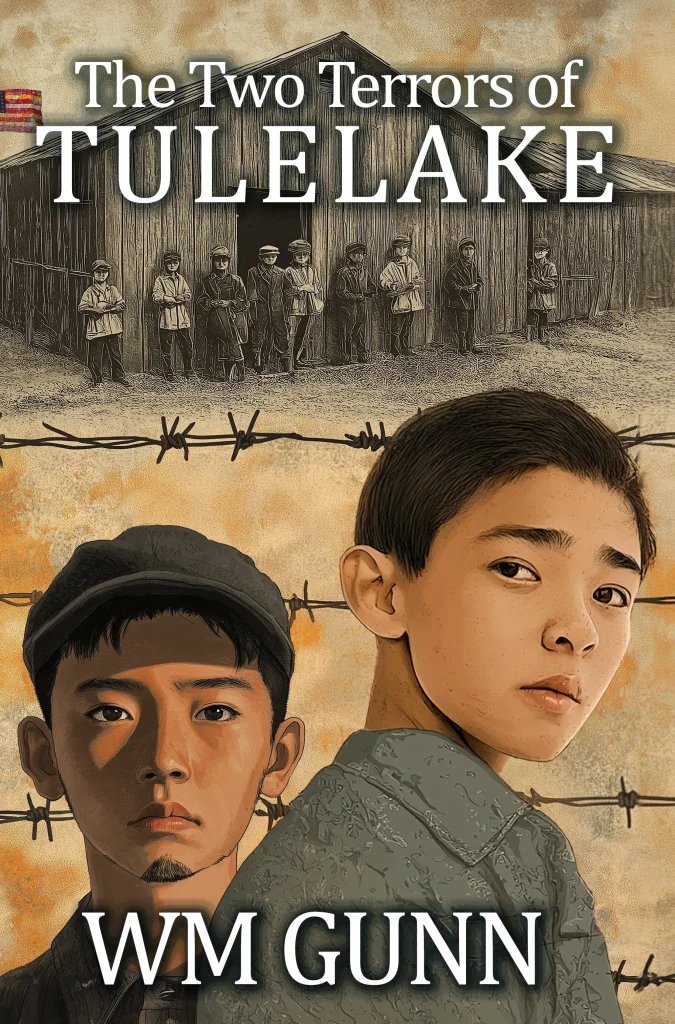
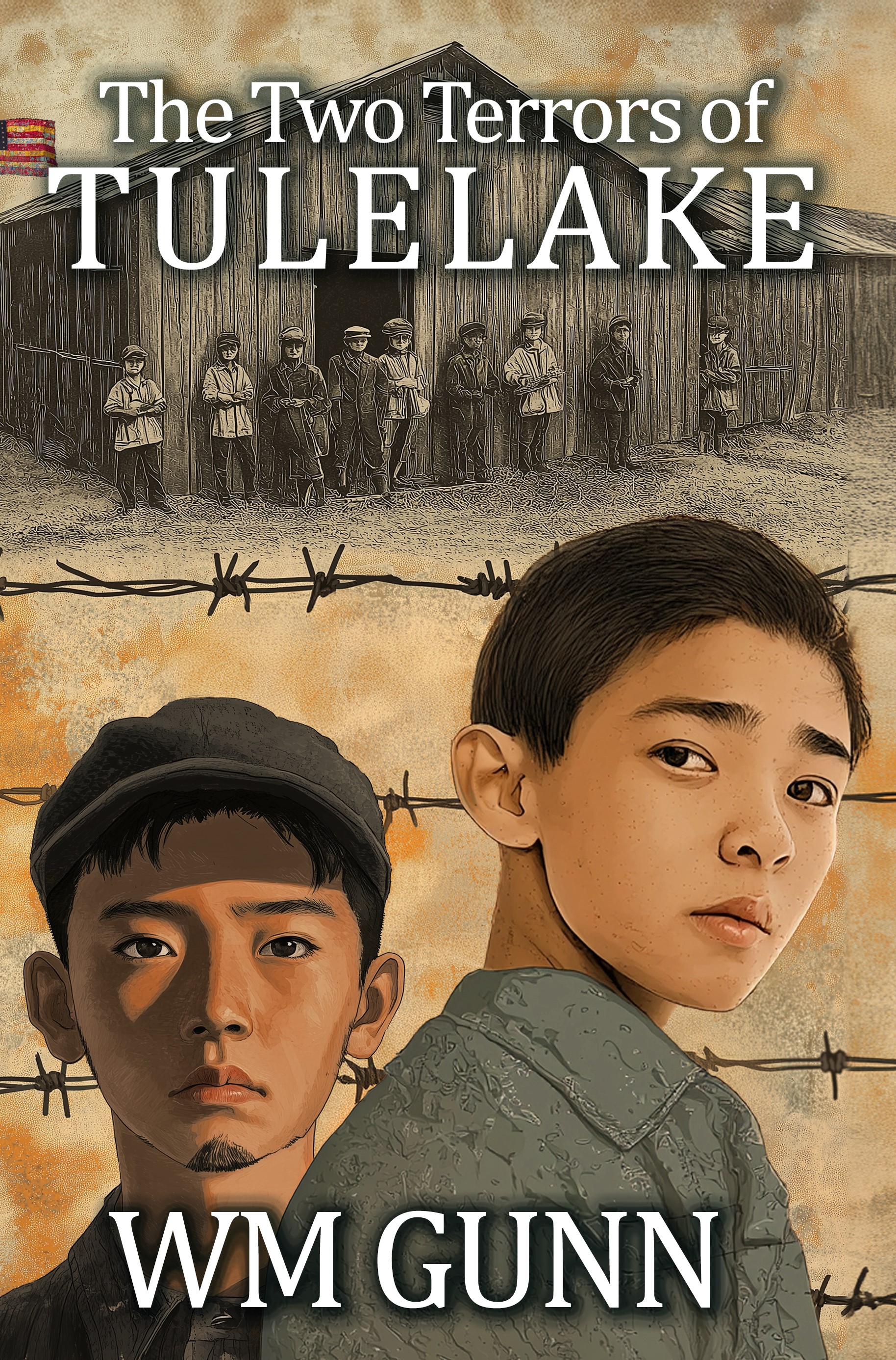 Bill Gunn, author of the Two Terrors of Tule Lake. Since I write historical fiction, I would conduct more subject research. I would ‘paint’ a more visual landscape to draw a reader in.
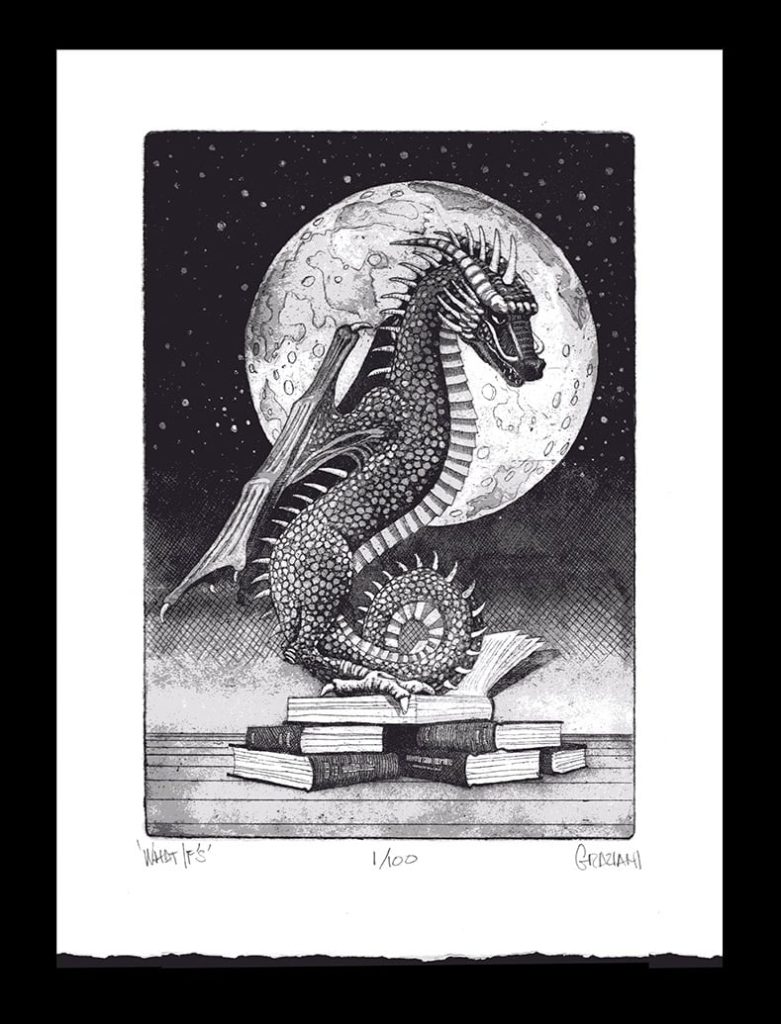
 Steven B. Graziani, author of Sorcerer’s Door. I’d focus on writing short stories to find my voice before penning a first novel.
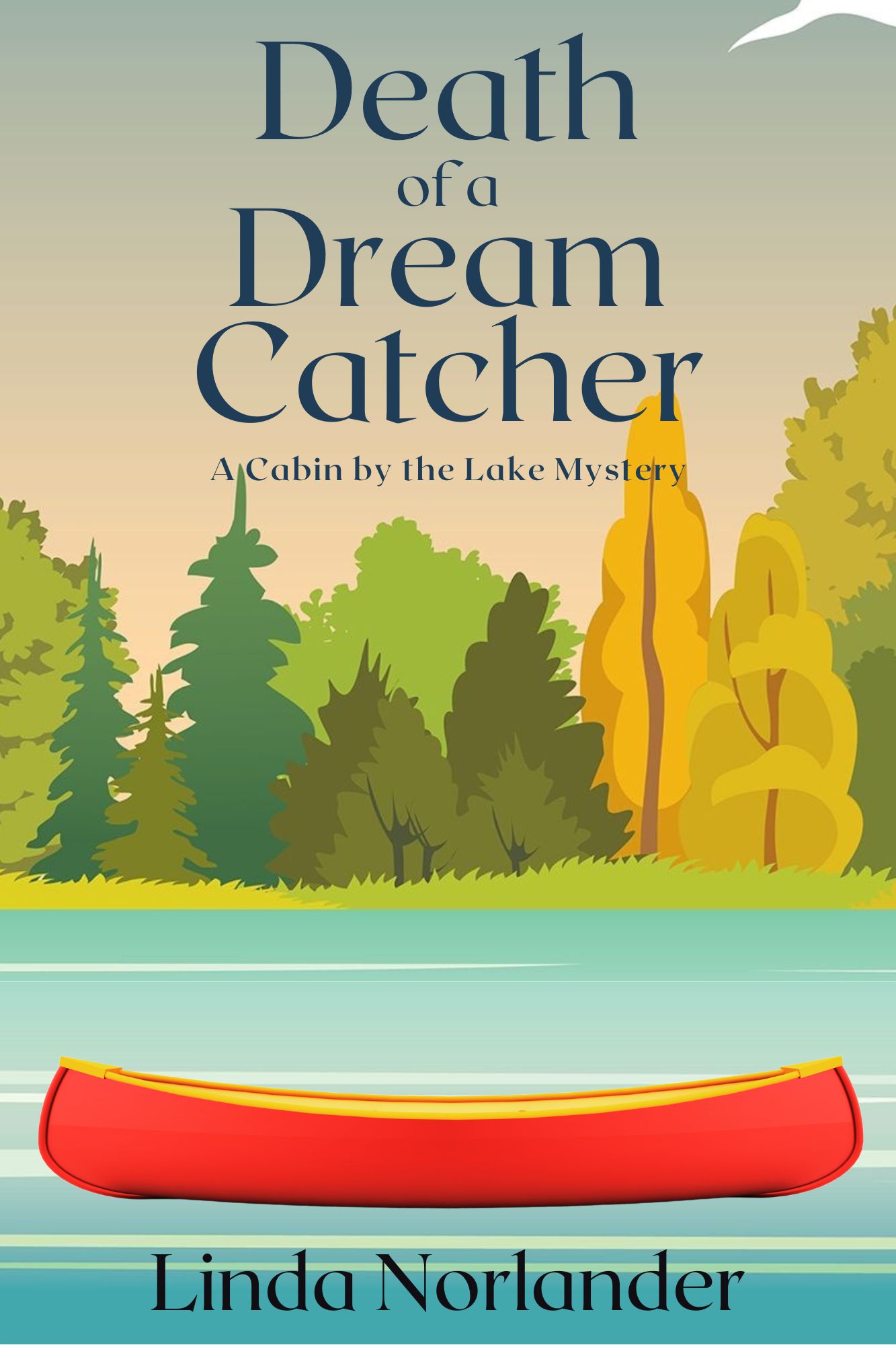 Linda Norlander author of Death of a Dream Catcher. I would learn more about social media and book promotion.
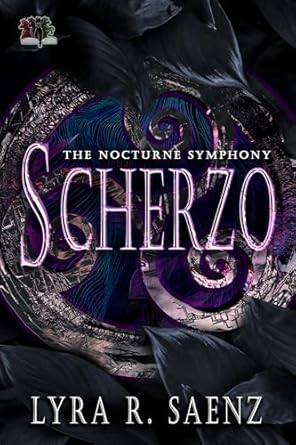 Lyra Saenz, author of The Nocturne Symphony. I would push harder for ARC readers and celebrate myself more on social media. Now, that I am more myself on SM I get more engagement and more readers.
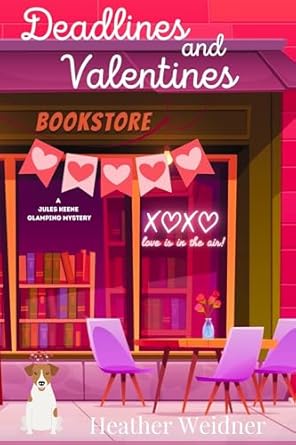 Heather Weidner author of Deadlines and Valentines. I would have definitely started much earlier and have joined a writers’ group. I have learned so much from my generous author friends.
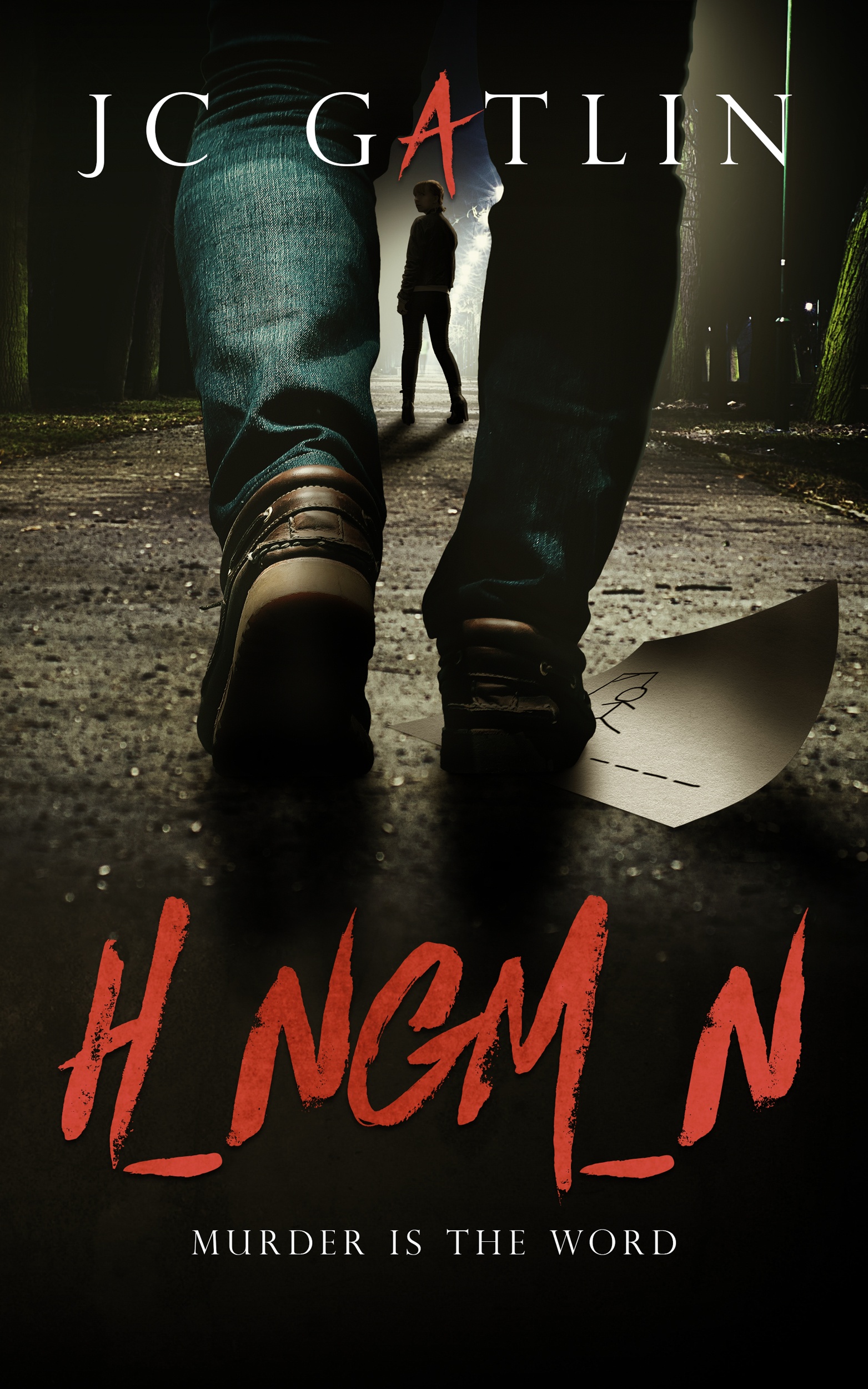 JC Gatlin, author of Hangman. Get involved in writing groups to critique and provide feedback on my work, as well as attend writing conferences and workshops to learn my craft.
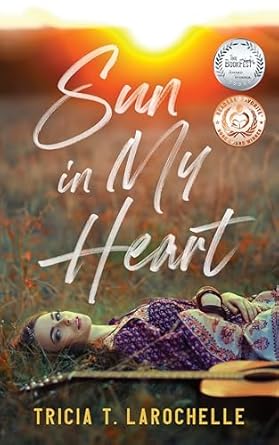 Tricia LaRochelle, author of Sun in my Heart. Don’t let anyone tell you that your work isn’t good enough. Find a sturdy support system that you can rely on.
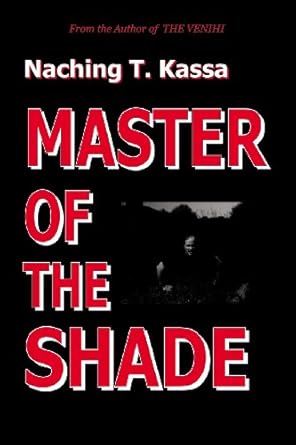 Naching Kassa, author of Master of the Shade, I would definitely work on editing and polishing my work. My first effort was and is cringeworthy!
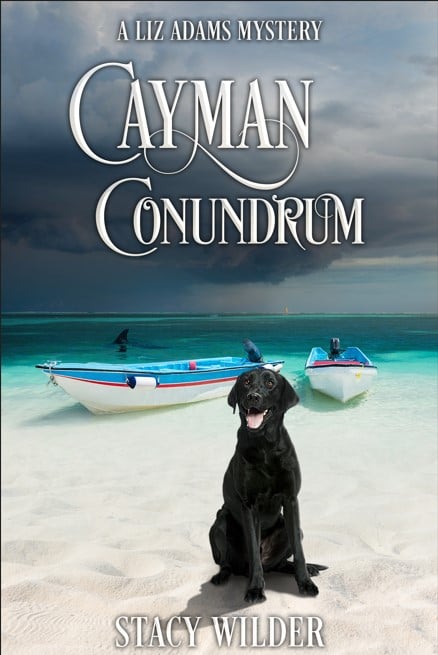 Stacey Wilder, author of Cayman Conundrum. Join a writer’s group with published authors. Believe in myself. Trust the muse. And just write for the love of it.
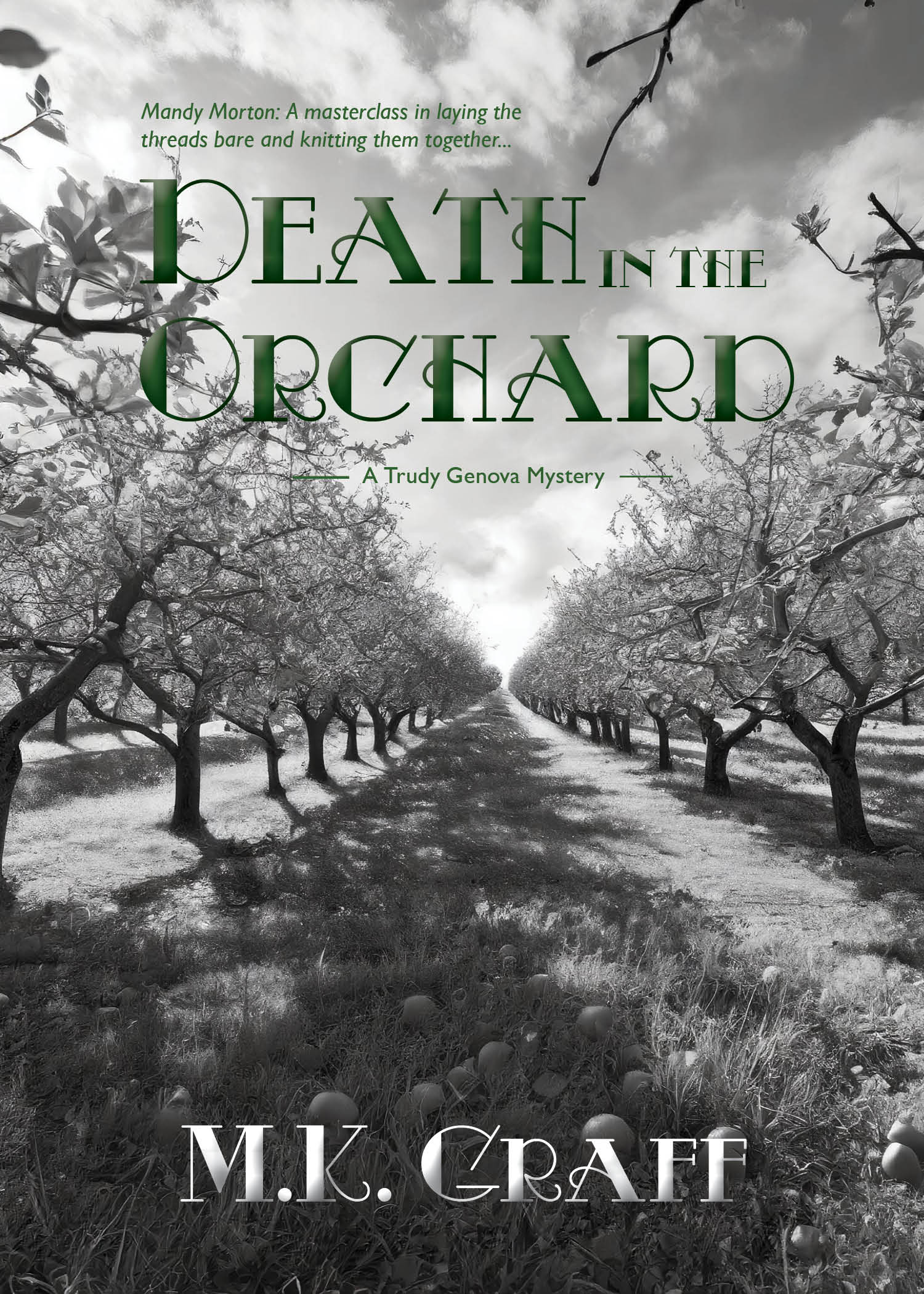 Marni Graff, author of Death in the Orchard, I’d definitely plant the seeds earlier in terms of marketing the book way before its publication date
 Morgan Moreau, author of the Coming Rebellion, I would spend time developing my brand and presence. It’s important for an author to connect with an audience.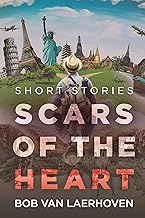

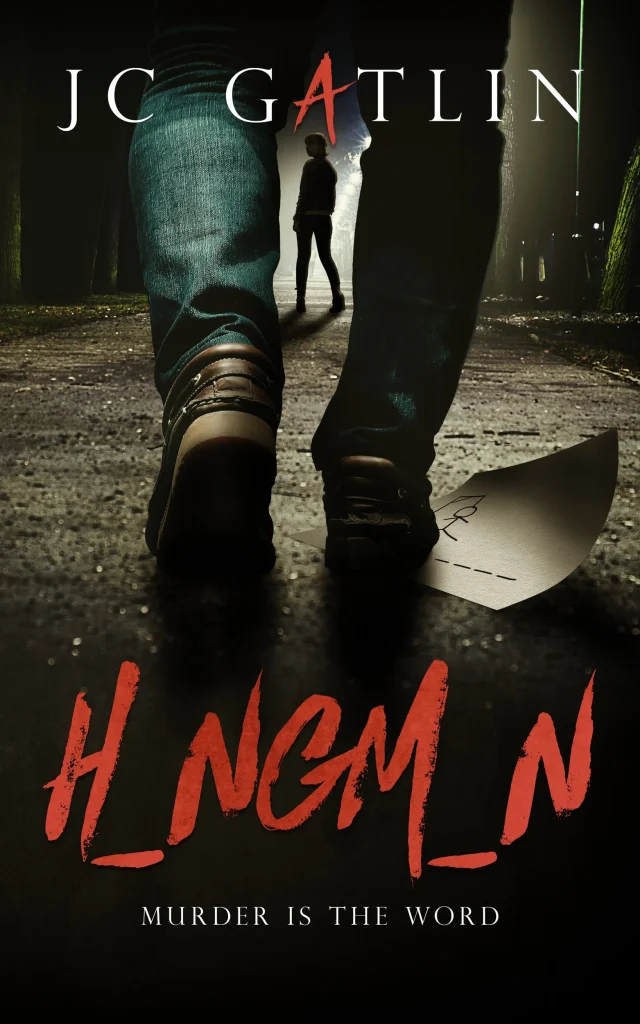

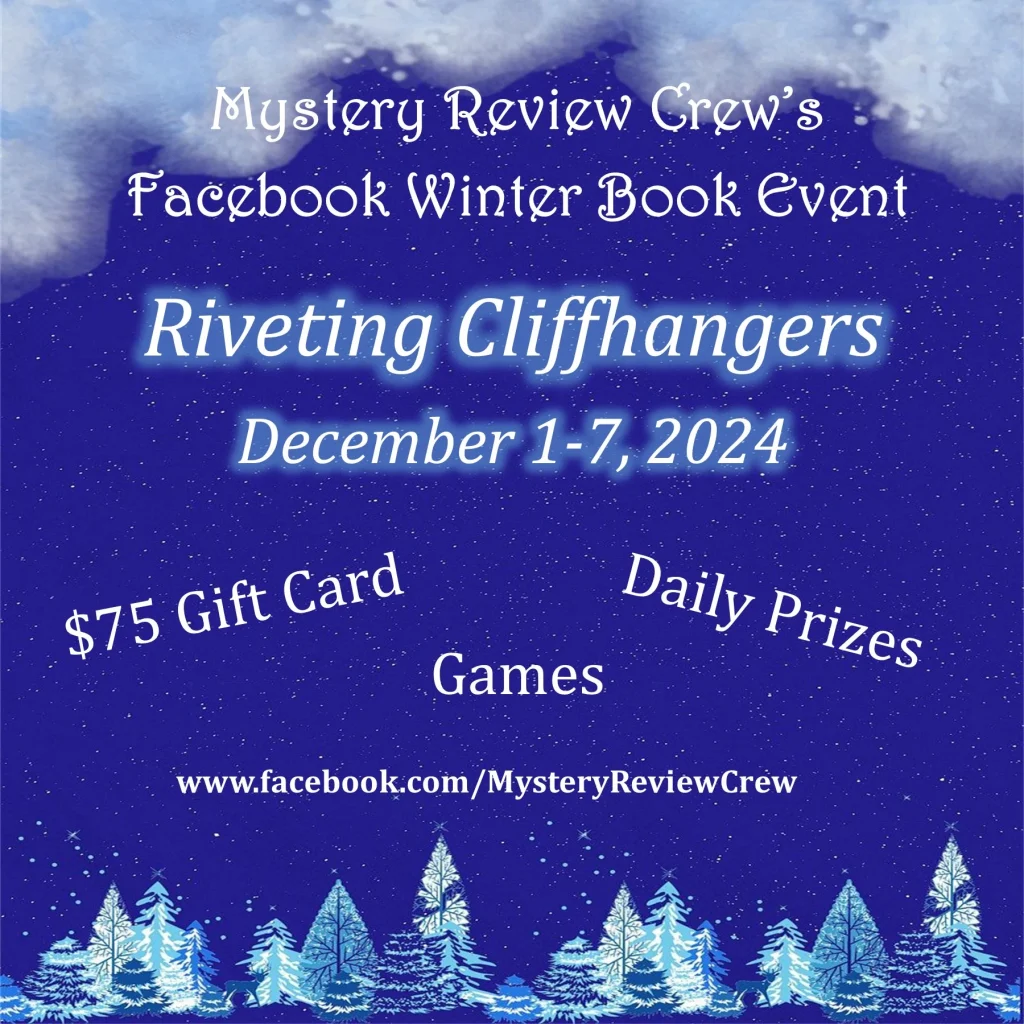

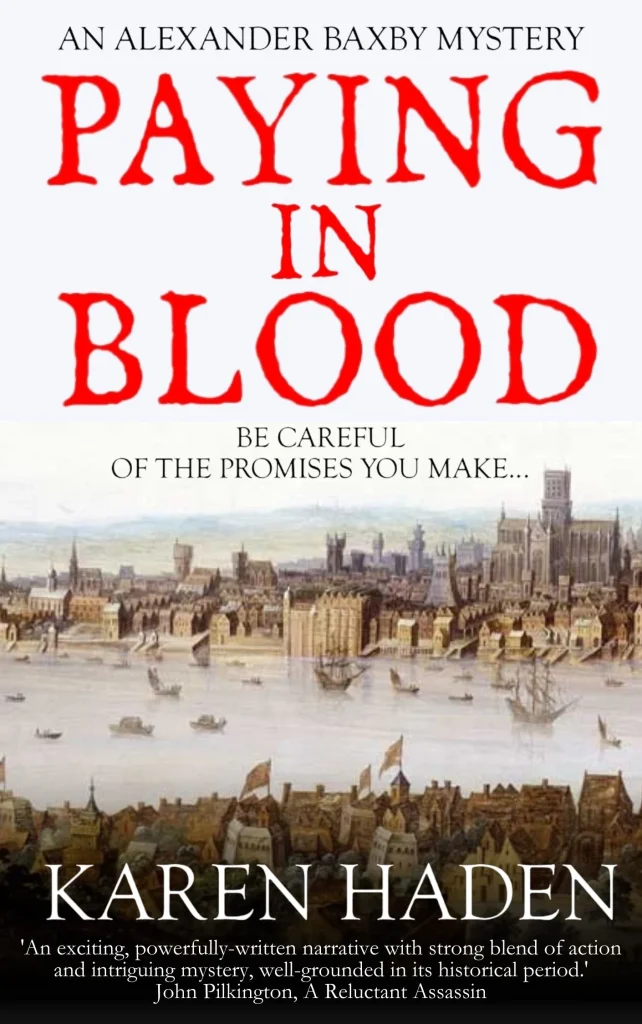
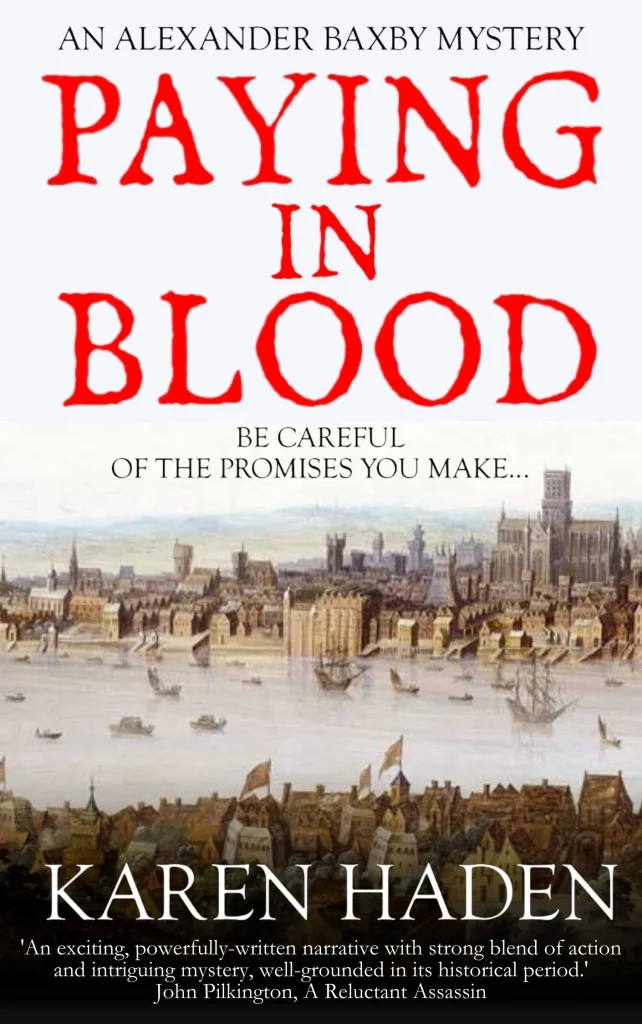
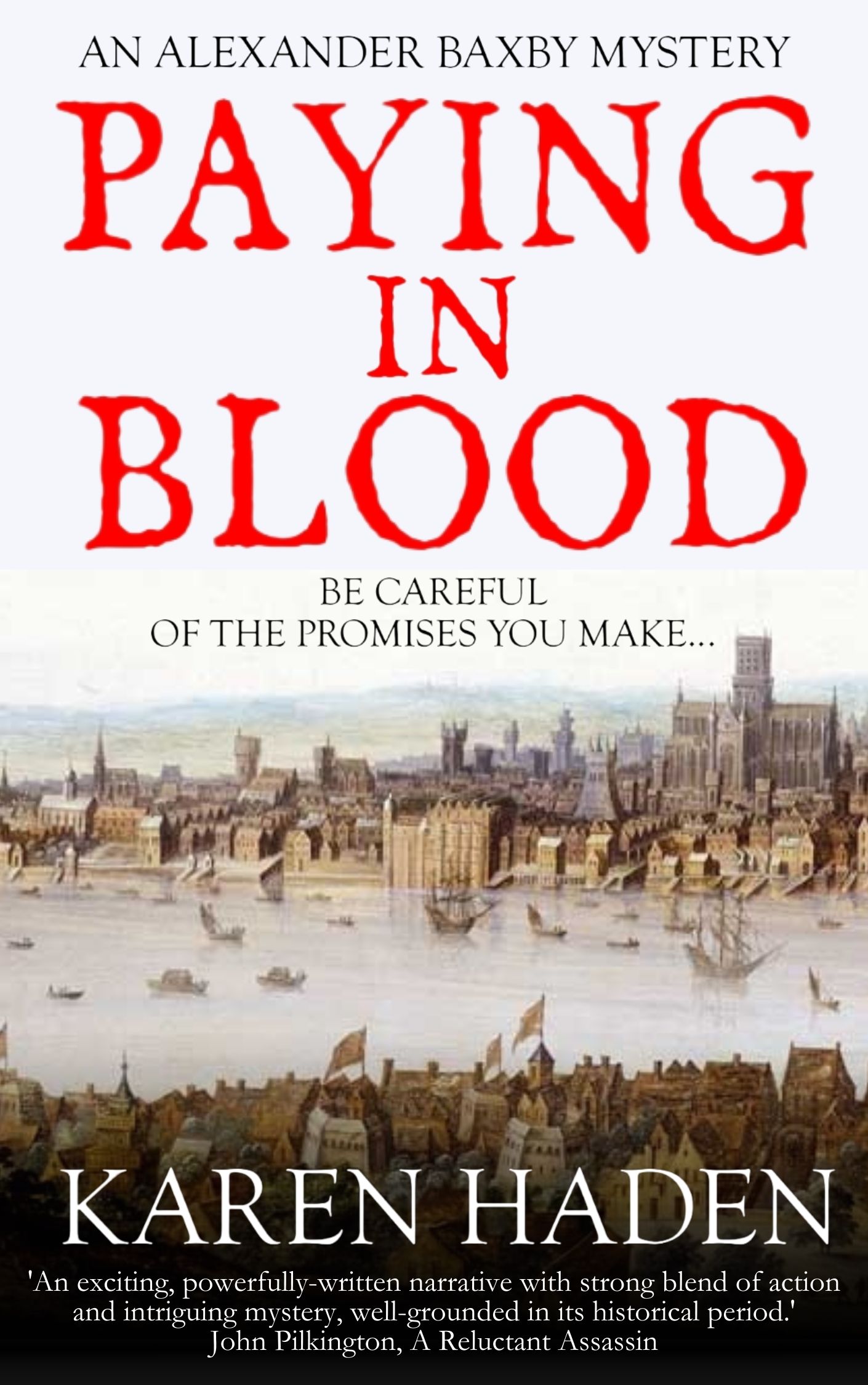 Paying in Blood by Karen Hayden
 Grabbing a Slice of Minnesota Nice by Lucas Lamont
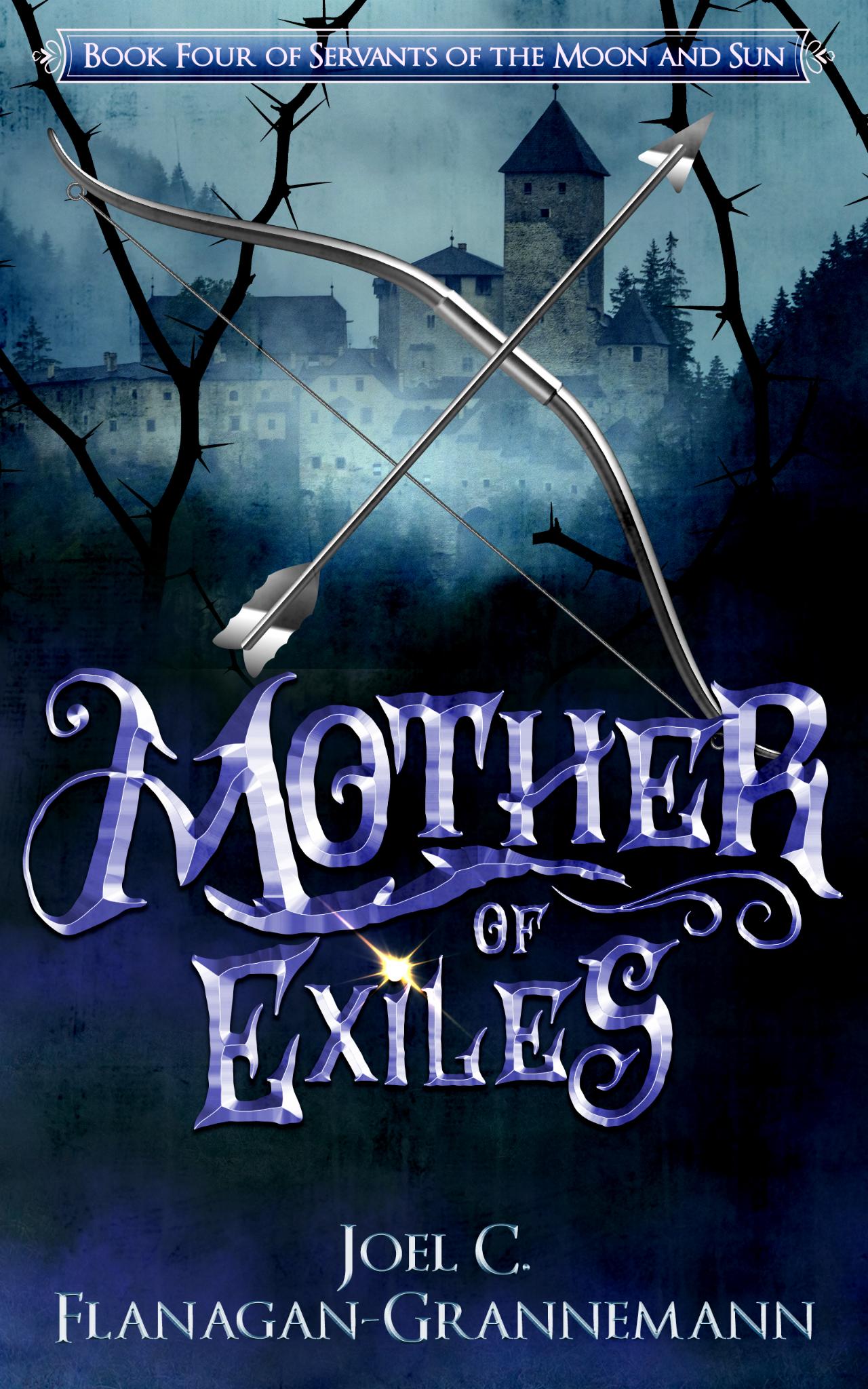 Mother of Exiles, by Joel Flanagan-Grannemann
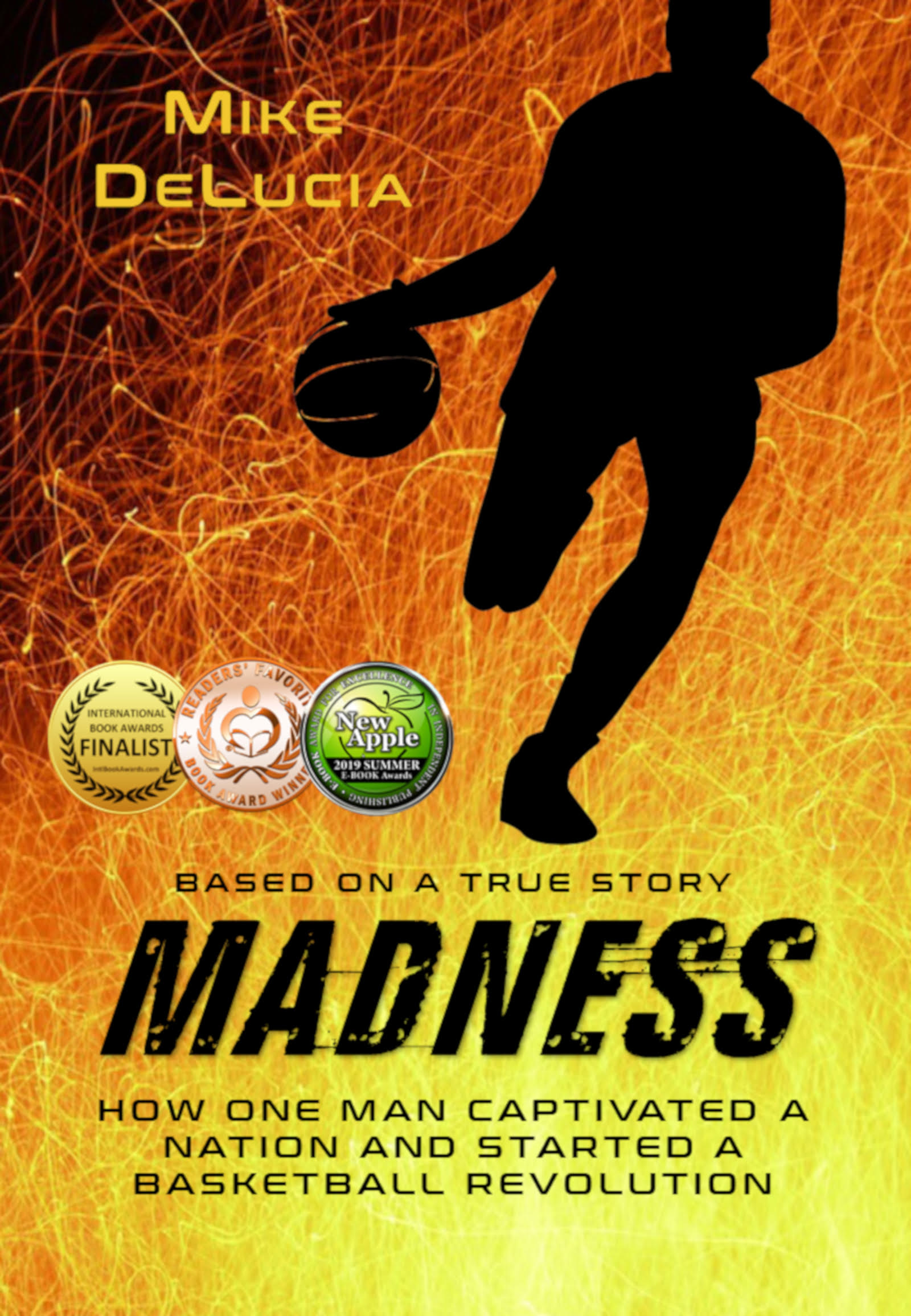 About Basketball….by Mike De Lucia
 The Transit Series by Benjamin X Wretlind
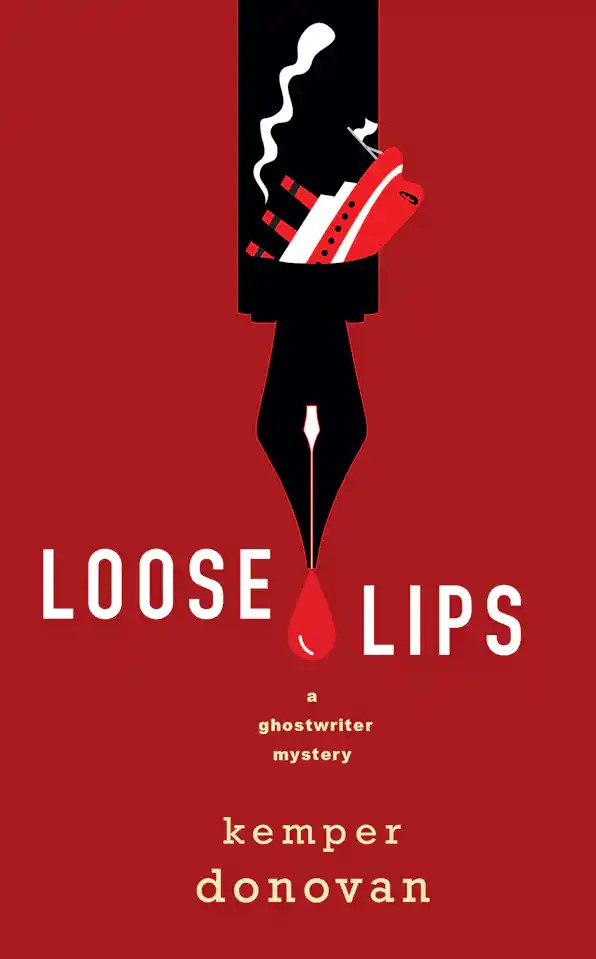 Loose Lips by Kemper Donovan
 The Turnbull Murders by Richard Koreto
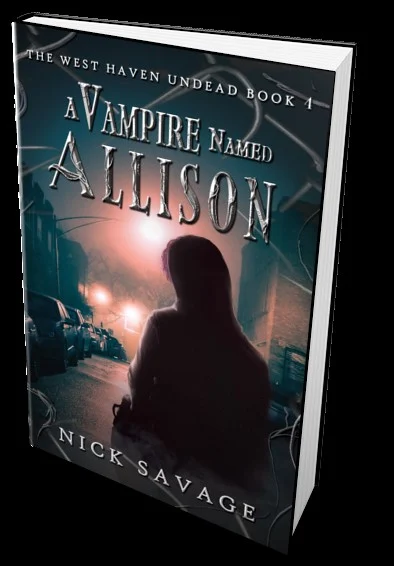
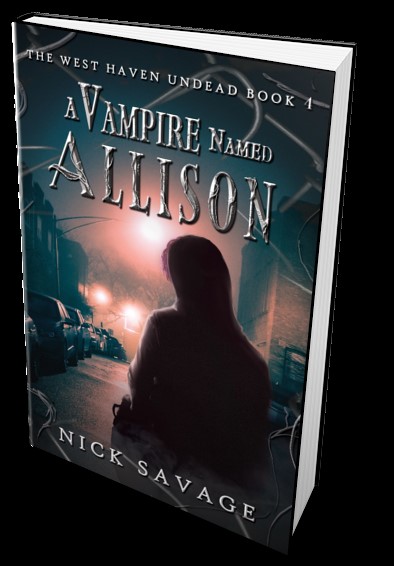 The Vampire Called Allison by Nick Savage
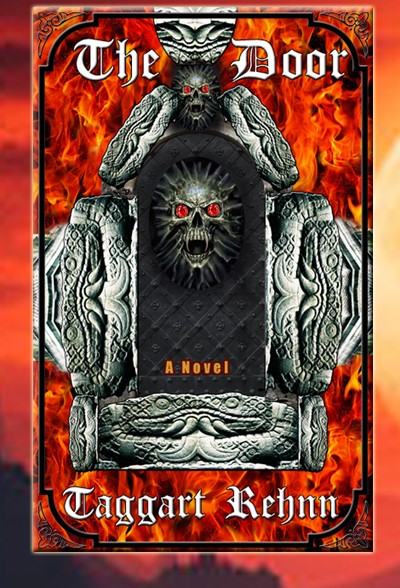 The Door by Taggart Rehnn
 The Night Circus by Erin Morganstern
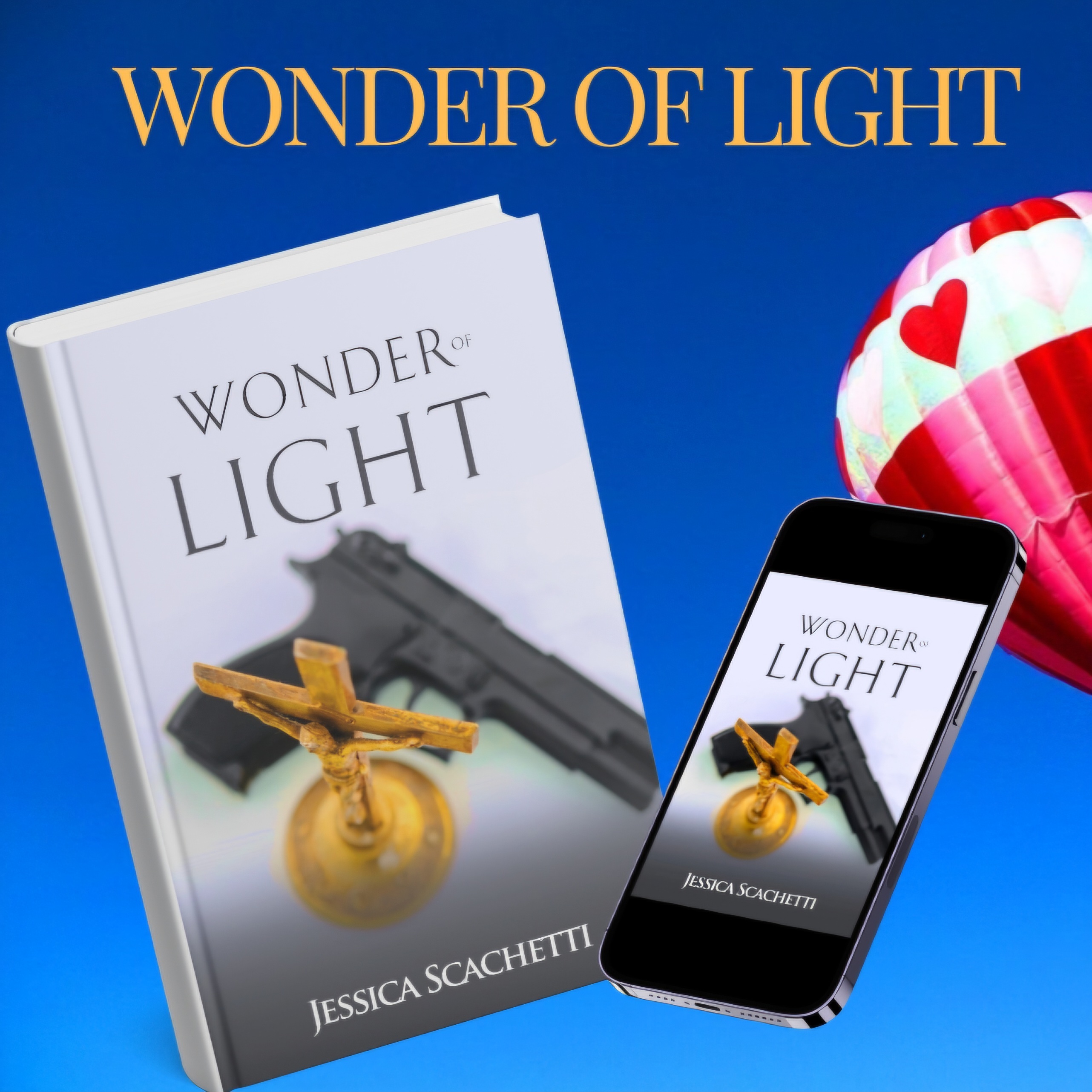 Wonder of Light by Jessica Scatchetti
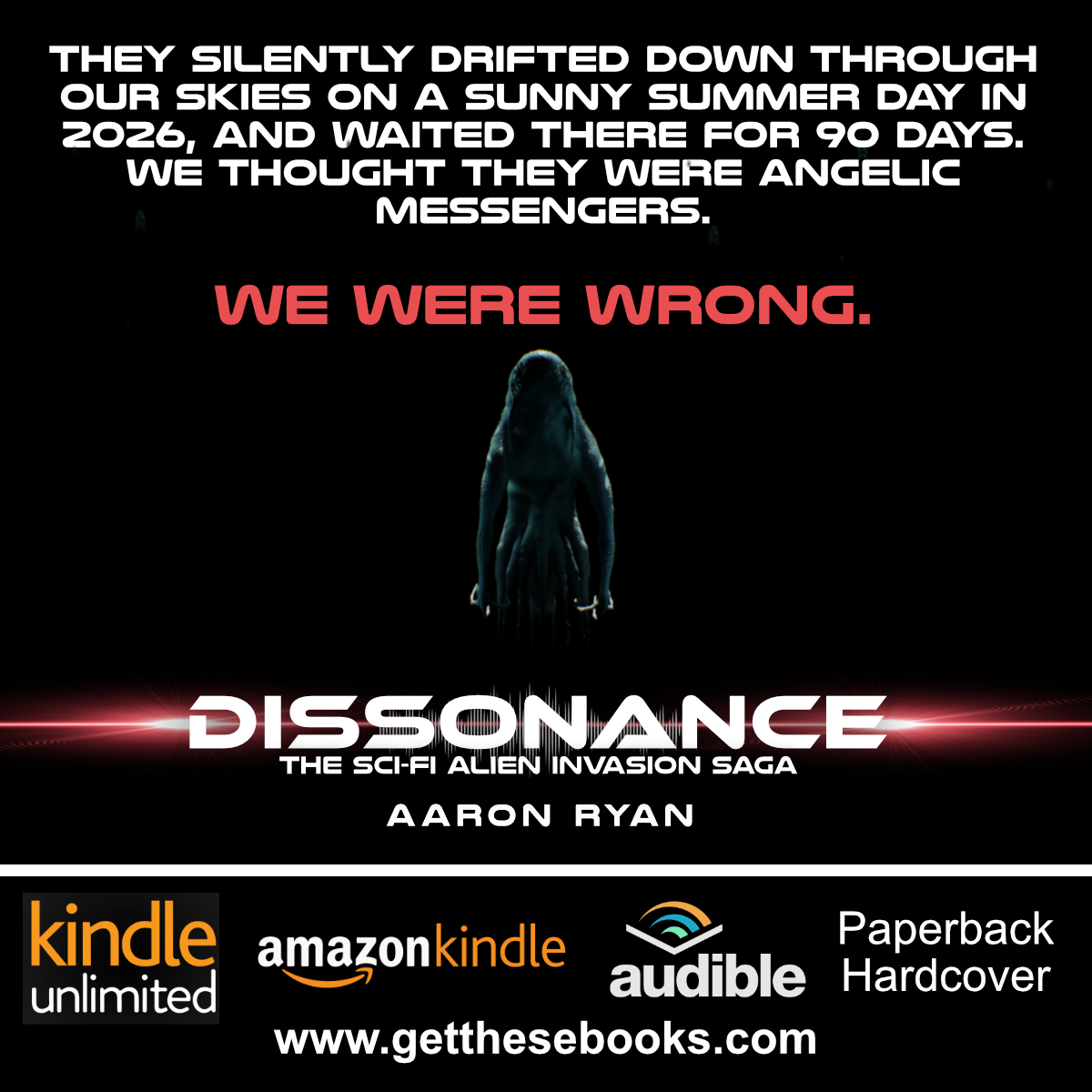 Dissonance by Aaron Ryan
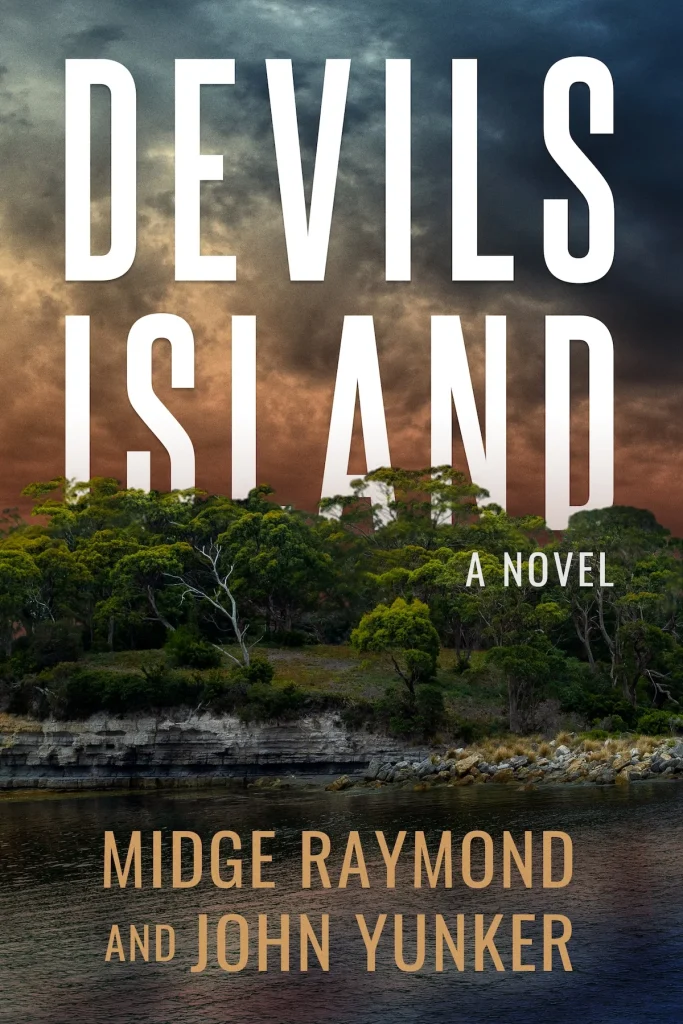
 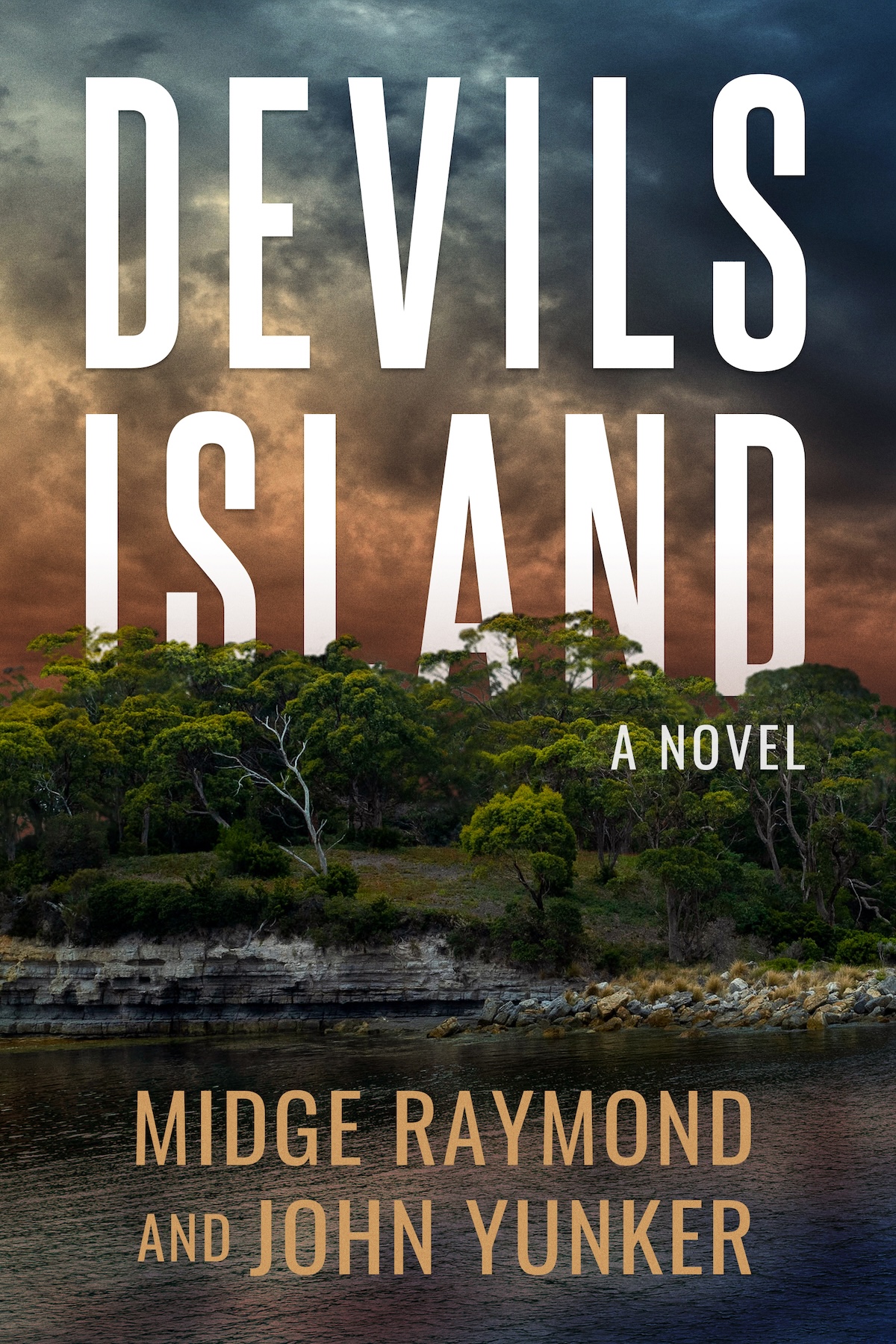 Devils Island by Midge Raymond and John Yunker
 The Bench by Ty Carlson
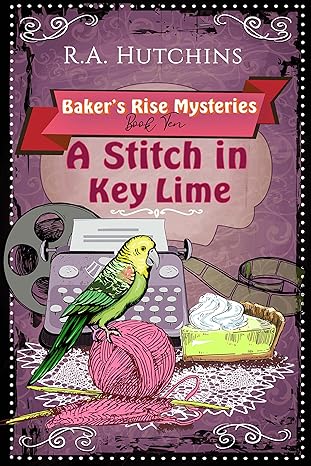 A Stitch in Key Lime by R. A. Hutchins
 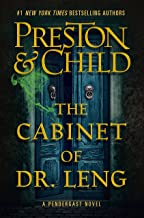 The Cabinet of Dr Leng by Preston and Child
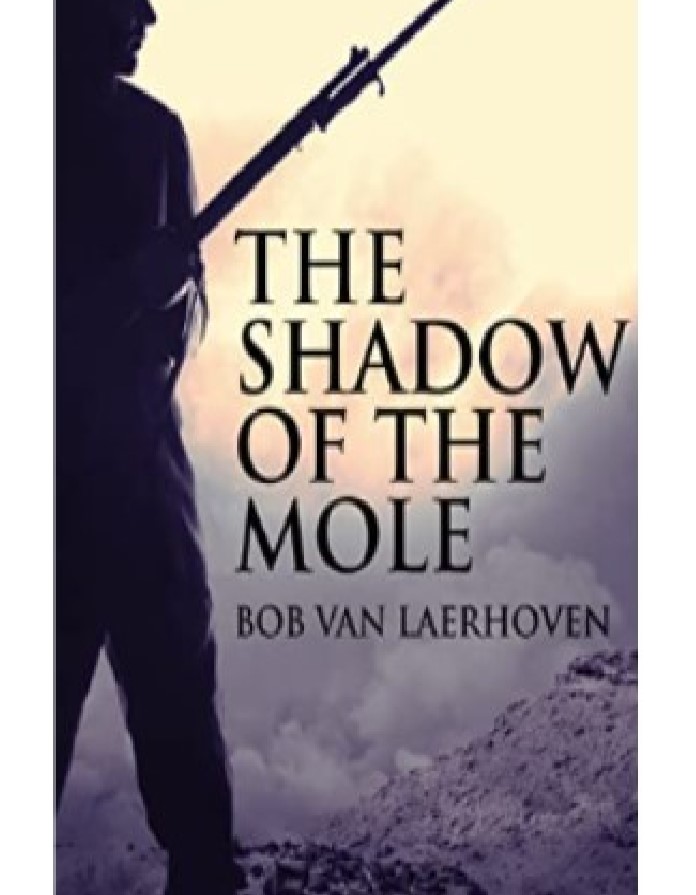 The Shadow of the Mole by Bob Van Laer Hoven
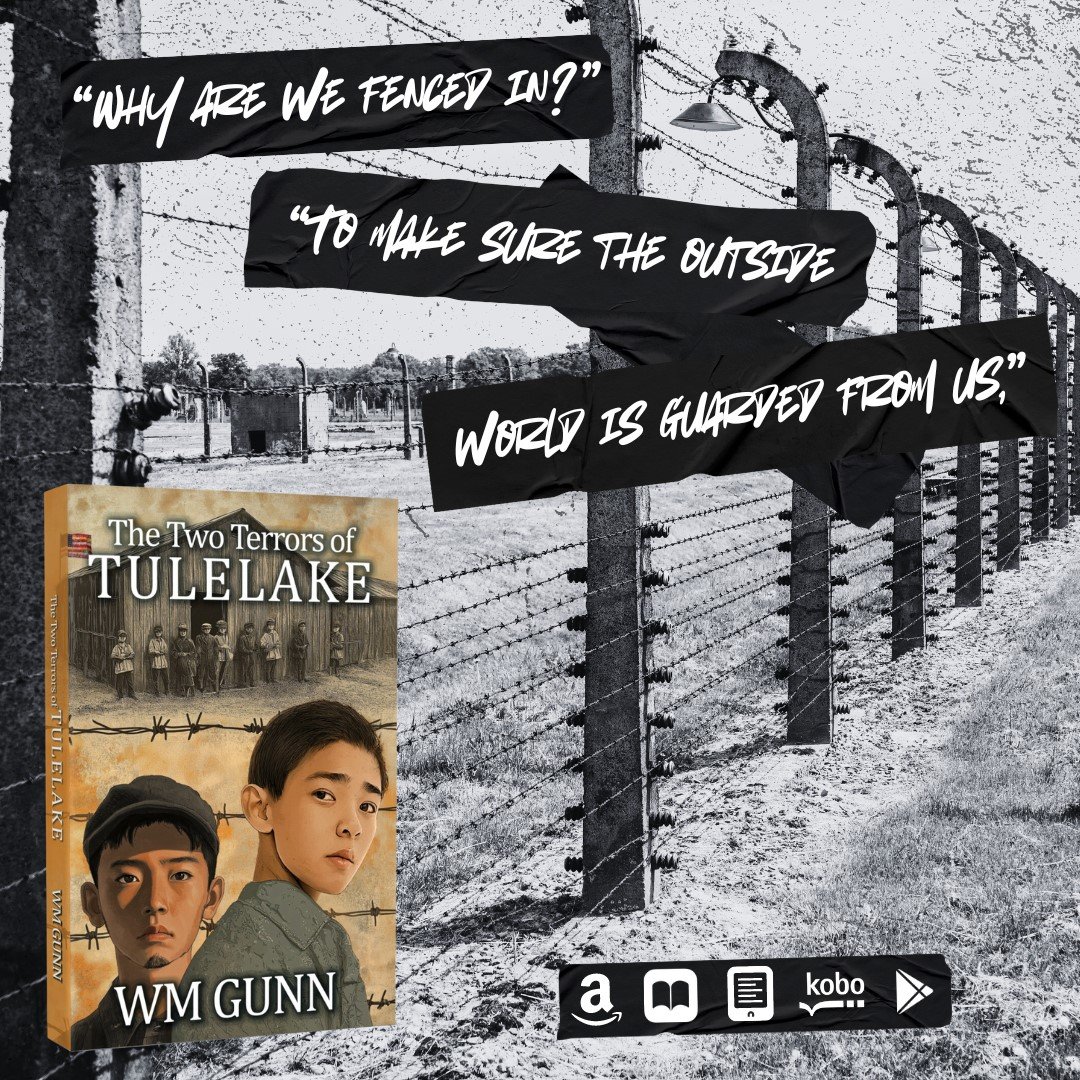 The Two Terrors of Tule Lake by W M Gunn
 Confronting Power and Chaos by Christine Scarbek
 The Canvas by Lane Stone
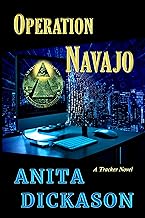 Operation Navajo by Anita Dickason
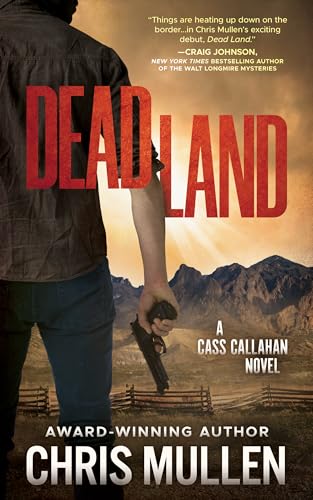 Dead Land by Chris Mullen
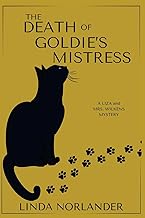 Linda’s Norlander’s latest
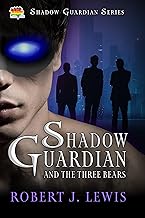 Robert Lewis’ Shadow Guardian series
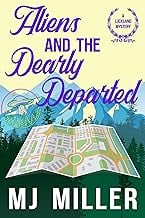 M J Miller’s mystery to die for.