The wagon wheels creaked as they traveled the desert floor. The sun was high and the heat had returned. Harrow saw another white puff of cloud in the distance, a collection of whatever moisture could be pulled out of the arid world around them. In other places, that cloud would likely grow into a storm. Here, it would eventually go away, replaced by yet more blue sky and more heat.
Wendel stirred. He stretched out on the brown wool blankets in the back of the wagon. Harrow heard him and turned to look.
“Where are we?” Wendel asked.
“Told you it had a kick.”
“You weren’t wrong about that, mister. How long have I been asleep?”
“A night and a morning. Any good dreams?”
Wendel took a drink of water out of a tin cup and poured the rest over his head. He mussed up his hair and wiped his face dry with his hands before taking the seat next to Harrow on the jockey bench.
“Think I went back in time,” Wendel said. He looked around before continuing. “Damn desert looks the same as it did yesterday.”
“That’s an illusion. The horizon is always just over there, but the mountains to the left and right have grown larger.”
“Plants ain’t much to look at.”
“No, they ain’t. So tell me. What was this dream you had? I’m always interested in what my customers experience. Makes for good advertising.”
“Just so…odd. There was a little boy, about four or five. Think he was me, but I don’t know. He was playing with some little toy soldiers.”
Harrow reached into a shirt pocket and held out the toy he had taken as payment for the pill. “Like this?”
“Yeah, that’s it. In fact, that’s the same toy the boy in the dream….” Wendel trailed off. Harrow glanced his direction and saw the man’s eyes drift backward into memory, fixed on a moment rather than any object in the present.
“Go on.”
“That’s just it. I don’t think I can. The boy was playing with the toys and there was a stove. I can’t recall what happened. It felt like a memory, though, but some piece of it is missing. What’s in that pill, anyway?”
“A few odds and ends. Magic. Whatever you want to call it.”
The wagon rolled forward for a quiet minute. Clomp, clomp, clomp.
Finally, Wendel spoke up. “You said dreams help heal whatever the past has thrown at you. What did you mean by that?”
“Dreams are many things. They can be memories, the brain working out problems, or just random thoughts laid out in random ways. Things in the past can seem lost sometimes, but they’re nothing but memories we haven’t processed, load-bearing walls in the construct of our house. I think sometimes dreams help us repair that wall if it’s causing us to behave certain ways later in life.”
“If this was a memory, you’d think I’d remember more.”
“Maybe. Maybe not.”
“Always thought dreams meant nothing.”
“No.” Harrow chuckled. “They’re something so much more.”
“What do you mean?”
“Think about it this way. If I gave you a book with a thousand words, you could make up a thousand stories, right?”
“I suppose.”
“But you can’t make up stories that included words that were not in that book. In that way, you’re limited to what you have.”
“I’m not following.”
“Your memories are those words. Your brain won’t make up what it doesn’t know, so there are holes. Those random images are not random, are they? They are the words in that book being shuffled around until they make up a new story. What if we could put those words back in the order they first appeared? What if we could patch the holes by using the words of another man’s book? Another boy’s book?”
“Guess I don’t get it.” Wendel sighed as his leg rhythmically bounced. “Wish I could go back and figure it out.”
Harrow pocketed the little toy and smiled slyly. “You can. For a price, of course.”
###
“I’ll take a shoelace.” Harrow pointed to Wendel’s shoes as the two sat apart from each other around another nightly campfire. “You ain’t got nothing else I need.”
Wendel obliged, removing first a shoe, then pulling its lace through the holes. He passed the lace to Harrow in exchange for another pill.
“We’ll be at Avernus tomorrow, so make this one count.”
Wendel nodded and choked down the pill.
###
There is the boy again and the wooden container with the toys inside on the stove in the living room. The old people are still talking and laughing at whatever it is old people talk and laugh about. They have their backs to the boy and do not see the first signs of pending trouble, do not see the first flame ignite a piece of wood on the side of the bowl, a piece that drops from the bowl onto the floor.
The boy’s eyes are wide as he tries to cover up what he’s done by throwing a nearby cloth over the flaming piece of wood. In his haste, the wooden bowl tips over, spills the contents of the melted toys onto the floor.
The fire spreads. The old people turn to see what the boy has done. Some of them are yelling. All of them are on their feet. One of them pulls the boy back from the stove while another tries to put the fire out by batting it down with a blanket. Rather than go out, the fire grows. A spark catches a curtain. Another catches a throw rug. In seconds, the living room explodes into a firestorm and the boy is pulled farther away by the old person, farther away from the fire, farther away from the experiment that was supposed to end in a rainbow crayon with which he could paint the world. It is gone, like the bowl, the stove, the curtains, replaced by flames, by screams, by shouts of direction and the words of unintelligible panic, by the heat and movement and a dozen different smells vying for attention in the boy’s nose.
The boy is sitting in the grass now. It is wet. He is scared and does not yet know what he has done, what he has wrought upon his mother, his brother, his father, the old people still in the house. He hears glass break and sees flames erupt from a window. The night sky, so often full of stars, is now fading, turning a reddish gray, covered by smoke rising from the house and lit from the fire. The boy fears he is not far enough away. He can feel the heat. He is not far enough from the fire in the house, from the angry old people, the glances in his direction, the people running from the trough in the barn with buckets. He wonders why they don’t use the water from the well, the well Daddy said to never go near, the well his brother said was home to a troll, the well in which he once saw Mommy toss a coin.
His brother. The boy looks around. He cannot see his brother, cannot hear his brother. He does not know if one of the old people grabbed him and pulled him out. He had left the living room to go into the kitchen. Is he still inside? Is he safe? Or did the fire reach him, wrap its devilish fingers of flame around his body, and drag him to the place Mommy said bad people go?
Wendel now recognizes himself. He is standing in the grass off to the side, his uncle’s house engulfed in fire to his right, the boy in front of him. He watches the boy, the boy who is backing up, the boy who does not see how close to the well he is.
The boy who was his brother.
As rapid as the fire had taken over the house, a surge of regret and guilt—pent-up emotion trapped behind bricks built of self-doubt and denial, of projection and displaced anger—bursts through and floods the tangles of Wendel’s mind. He feels his throat constrict even as his eyes grow wider with the realization that it was he who egged his brother on, he who pushed him to place a wooden bowl on a hot stove to make a New Thing, he who was responsible for the fire…he who forgot his brother had died in that well on that night so long ago.
Wendel takes a step toward the boy still backing toward the well. He wants to warn him, to say something to the boy who was his brother, who would still be his brother if things had turned out differently.
He wants to, but he does not.
There is something in the grass the boy left behind, something that blends in with the green but stands out because it wants to stand out, because it needs to be a beacon of light in the flood of emotion that threatens to drown Wendel, a buoy on which to cling.
He reaches down and picks up a toy soldier, the kind that is kneeling, the kind that is aiming a rifle. He tells himself he will hold on to it, that he will cherish it, that he will always remember what he did until the day he dies.
He will make the New Thing for his brother. Maybe then they can forgive him.
Wendel blinks. He is in another field, another time. He is no longer a boy, no longer welcome anywhere. In front of him, there is a house on fire, just like his uncle’s. A woman screams. People frantically try to douse the flames. A woman writhes on the ground. The scent of burning flesh stings his nose, waters his eyes. He grips the toy soldier in his hand, the rifle digging into his palm as he watches the fire create a New Thing in front of him.
Once more he closes his eyes. The screams fade, the smell dissipates. When he opens his eyes again he sees another house, another attempt at creation. But he is too close. The world fades in and out, black and then orange, black and yellow, black and red. He is dizzy. The smoke in his lungs robs him of consciousness.
When he comes to, heat from another fire rushes over him, and he opens his eyes to see.
A larger building in a city. Fire wagons surrounding an inferno, people throwing buckets of water on the flame. He stands across the street and watches, entranced by the flames, comforted by the heat, satisfied with the way the wood pops and crackles and steam trapped inside heats up and bursts. He knows this fire will deconstruct the building, just as it did those crayons, those toys, the other houses, the world. He knows he can finally make the New Thing for his brother. He knows he can paint the sky with magical rainbows, yellows and oranges and reds all rising among the black and brown of smoke.
In his hand, he grips the toy soldier tighter until the rifle snaps off..
###
Harrow backed the wagon up to a precipice. Far below, the rotting bodies of men and women and children clambered over each other, stretched out to find purchase on the vertical sides, to find a way to climb out of the pit. They moaned and cried and wailed and screamed. There was room for a million more and then some. No doubt, as Harrow completed his delivery of this man, he would return to the desert and find another and another. Perhaps they will recall why they were chasing the horizon in the first place, why they wandered in the desert with no destination in mind. Perhaps they won’t need a pill to remember.
It’s a nice thought, but they all need a pill. True sins can leave voids in the brain, empty spaces where memory should be. The pill helps fill in past transgressions with facts from someone else’s point of view.
As the horses pulled the wagon forward and the still sleeping body of Wendel tumbled out of the bed and into the pit, Harrow reached into his pocket and took out the little toy soldier. He regarded it for a moment, turned it in his fingers, then tossed it to land among the detritus of a million other payments made for a chance to learn the truth, a million other reminders of the wages of sin, the price of guilt.
Stop by the Mystery Review Crew on December 1st at https://mysteryreviewcrew.com/. You’ll find some great one-liners nominated by your favorite authors and a contest.
Later in December …… the Mystery Review Crew, https://mysteryreviewcrew.com, will have their holiday event of original short stories and giveaways. For it, Author Richard Koreto and I, have collaborated on a story, Ophelia’s Promise. It features Salieri and Mozart and a murder.
An Interview with writer and artist Stephen B. Graziani
I asked Stephen Graziani a few questions, and here is what he said:
About what people see. One thing I learned long ago—it’s not my job to determine what other people see in my work… it’s just my job to create pieces where people find something to see or think about. Naturally I can guess what many people will see or feel, especially with the more opinionated pieces, but I’m still constantly surprised by other’s interpretations.
I once sculpted a 7’ high rusting steel cross, held together by barbed wire, in response to an evangelist announcing God said to vote for a republican—only to have a 19yo kid walk into my shop and love the piece because it showed how strong the church is. When I do an art festival, I usually take around 100 different etchings, displayed in bins for thumbing through like old jazz albums. Sometimes I try to guess which pieces will attract a certain person, and I’m probably only right 25% of the time—I like that.
Art to stories and visa-versa. I have a hard time writing a story to a piece of my art—I can get by that, if needed. But I find when I try to create an etching to a story I’ve written, the art becomes too limited. I like my art/etchings to be ‘story rich’… quoting one of the editors from a book that’s coming out soon— a hybrid anthology where 19 writers create stories and poems to 32 of my etchings. I only wrote one, so I’m anxious to see through other eyes. My best solution is to keep my art and writing completely separate… at least for now (I don’t like to close doors). I’m primarily an artist who occasionally likes to write, but when I’m doing either I can’t imagine not doing them.
Process wise, I like there to be a challenge—without the dance, what fun is it? With the etchings I’m working with a medium that’s unpredictable (it’s still a new medium to me), so there’s the dance aspect, so I don’t care for the challenge of playing to a prompt, outside life in general. But when it comes to writing, I love working from prompts… that becomes the challenge (though it’s not needed).
A note about the covers. When I worked in television, though I had a horrible tendency to want to play in other people’s lanes, I eventually came to terms (almost) with each department best controls their craft. My book cover designs were like writing the books—to see if I could do it all from scratch, but not trying to become a novelist. I believe publishers or cover design artist dealing with book sales in mind have a better finger on the marketing side than I would.
Stephen has two shows in May 2025—Beverly Hills Art Festival & Monsterpalooza.
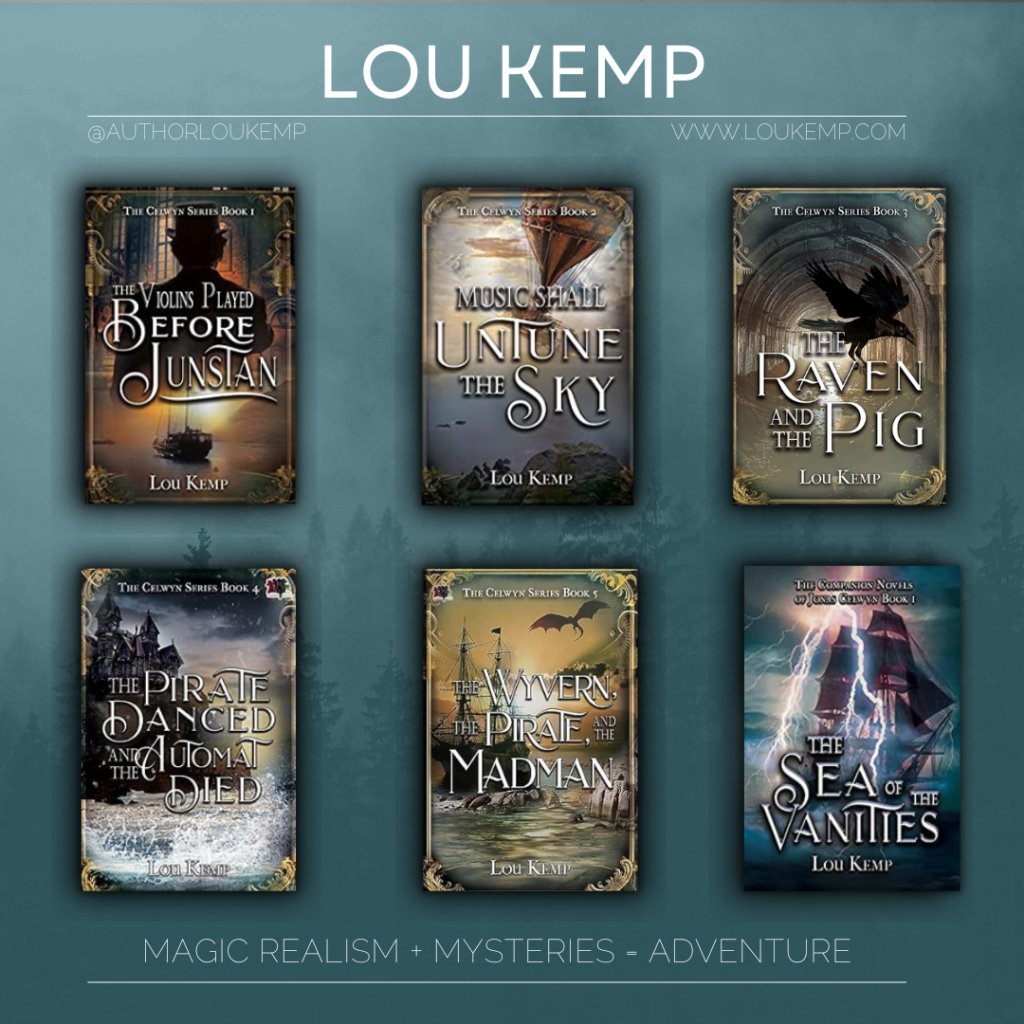
Swango: Book 6 of the Celwyn Series. Swango is almost here. Pelaez is back and causing trouble. Available for pre-order now. General availability 12-29-24.
D. A. Spruzen grew up near London, U.K., graduated from the London College of Dance and Drama Education, and earned an MFA in Creative Writing from Queens University of Charlotte. She teaches creative writing in Northern Virginia when not seeking her own muse. Dorothy is also a visual artist and loves her Cavalier King Charles spaniel, her house on the Chesapeake Bay, reading, and creating her garden.
Her published works include the Sleuthing with Mortals urban fantasy series; a historical novel, The Blitz Business; The Flower Ladies trilogy; Crossroads: Two Novellas; and, a poetry chapbook, Long in the Tooth. She reviews for the Washington Independent Review of Books and serves on the faculty of the Tinker Mountain Writer’s Workshop at Hollins University in Roanoke, VA.
1. Do you plan to write any nonfiction? (or another genre?)
I have had a lot of poetry published, and a poetry chapbook, Long in the Tooth, was published a few years ago. I’ve taught and written a memoir.
2. What advice would you give to aspiring authors who are just starting their writing journey?
Take classes and learn the craft. Read widely. Find a writer’s group. When you write, write without stopping to worry about spelling, grammar, and so on. Stopping to fix all that is a sure path to writer’s block. Then revise. Revise. Revise some more. Edit last. Get other eyes on your work.
3. Set the scene: What is your perfect writing day? What time of day is it? Where are you? What is or is not happening in the background?
I sit in front of a window that looks out onto the Chesapeake Bay. The waves dance and play with the sunlight. I am alone except for my dog. I have a handy bottle of Pellegrino on my side table.
4. How would you compare the style of the Sleuthing with Mortals series to other styles of fantasies?
The memoirs move through the Norse heavens, ancient cultures, and other historical events. A mystery runs through the story, too, as does Mary’s own life in the household. Hence, while largely urban fantasy, the books also embody mythology, historical fiction, and mystery.
5. In your series, Sleuthing with Mortals, do your characters evolve as it progresses?
In The Turkish Connection, a Norse goddess, Lin hires Mary to be the resident ghostwriter of her memoirs. Mary finds all her previous assumptions about life, love, and religion, challenged—Norse gods and their powers are real and what she thought was mythology, isn’t.
In The Witch of Tut, Lin finds a friend of her own kind (goddess), a great comfort. Mary is a little jealous, and … there’s such a thing as a witch? Terror grips Mary more than once.
In The Knight, the Gnome, and the Fox, Mary realizes that her daughter has greater abilities than a normal child. Will the child find her mother inferior? To Mary’s amazement, yet another survivor of Raganarok appears. Yggdrasil is growing fast. They all wonder how life will change if the gods of Asgar rule again.
Chip Haynes is an artist, writer, cyclist and juggler living in Tampa, Florida. Chip is currently dabbling in fiction and poetry when he’s not pedaling in shorts and sandals, and doesn’t mind writing in shorts and sandals as well. But not when he’s riding his bike. The man ahs his limits. (But he has juggled on his bike!)
1. Talk about the illustration process (and what you’ve learned?) I’m a retired professional commercial artist, so I have to say that the illustrator for this children’s book series, Niki Tantillo, is my absolutely hero. She obviously read all of these stories very carefully and kept notes. She got everything, every detail, so very right, down to the flower on Olivia’s brown hat! And I could never have matched her wonderful casual style, which was exactly with this casual possum needed! We have emailed back and forth a bit, but we have yet to meet. (And we really should!)
2. What do you think new authors should decide before they begin their book? Should it be who they are writing for (themselves or their audience)? Do you have other criteria you would suggest? Oh, I wrote a whole book on this! (“How to Write a Book”) It comes down to this: Once you have That Idea, do your homework, your research and do the most detailed story outline that you possibly can. That’s what totally saves the day later as you sit there and write the text. Oh, and caffeine. Yer gonna need some serious caffeine. Yep.
3.Of all your characters, which is the most like your personality? How many of the char’s traits are already part of you, verses what you want them to be? In all honesty, it’s probably me, somewhere, in all of my books, but I am SO Oliver Possum! I’ve got the bike and the hat, and I DO stop for tea and pie. (I did just this morning!) And I am sort of short and fuzzy…
4.In your upcoming book, did your characters evolve as you used them? Oliver grows up from book to book, from learning to ride a bike in his first book to having adventures on the road with his friends and finding a girl possum to ride with, but as for me, no, I’m still just Uncle Chippie to everyone. Even my nephews.
5. Can you see yourself using Ai in your books? On what part and why? No. I enjoy the act of writing too much to let some robot try to be me. And geez, Louise, what if they did a better job? I’d be out of work! (But would they pay me for the use of my name? Hmmmm…
6. Talk about how your series came about. What did you initially visualize for the theme? Did it lead to an idea for a new series? The idea came to me as I rode Oliver Possum’s bicycle- a vintage English 3-speed. The name came first, and then the persona followed. And then the stories… so many stories… The series is simply my life on a bike over the years and the miles…
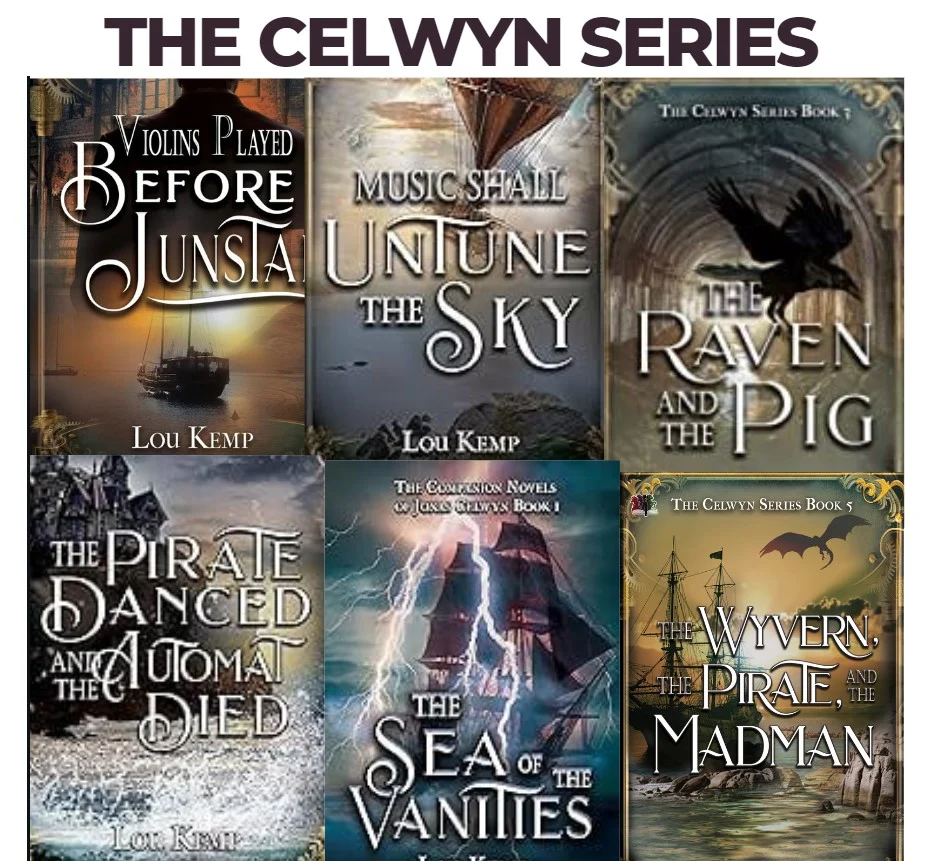
The Celwyn Series celebrates the holidays! From Dec 14th – Jan 3rd. If a reader buys one of the paperbacks or hardcovers, they get the ebook for FREE. link to buy
Choosing the Right Editor with Jennie Rosenblum
Jennie Rosenblum has been an independent editor for small publishers and indie authors. Since 2014, she has been happily self-employed helping authors. Over the next few months, she will be sharing guest columns here. Feel free to reach out to her at www.jenniereads.com.
Finding the right editor is about more than just skill:
It’s about finding someone who clicks with you and your project.
Think of it as a partnership, and ask yourself how you prefer to work. Do you like having a regular chat over the phone to discuss feedback, or are you more comfortable with email exchanges?
Maybe you’re looking for someone who gives deep developmental feedback to help shape your story,
Or perhaps you just want a polished final draft with clean grammar and style.
Being clear on your preferences will make the search much smoother and help you find the perfect editor for your project.
Most editors these days are a bit of a one-stop shop—they often provide a range of services like beta reading, developmental editing, and copyediting. Some can even tackle grammar, style, and proofreading all in one go, making the process simpler. Don’t hesitate to ask questions and make sure they offer exactly what you need. After all, finding the right editor is like finding the right pair of shoes—it has to be the right fit, or it’s just not going to work!
Working with an editor is an investment in your book’s success, giving it the best possible chance to stand out in a competitive market.
A good editor won’t just polish your prose; they’ll help your voice and story shine through in a way that’s unmistakably yours. So. take your time, find someone who understands your vision, and get ready to bring your book to life in the best way possible.
Ideas for Holiday Book Gifts
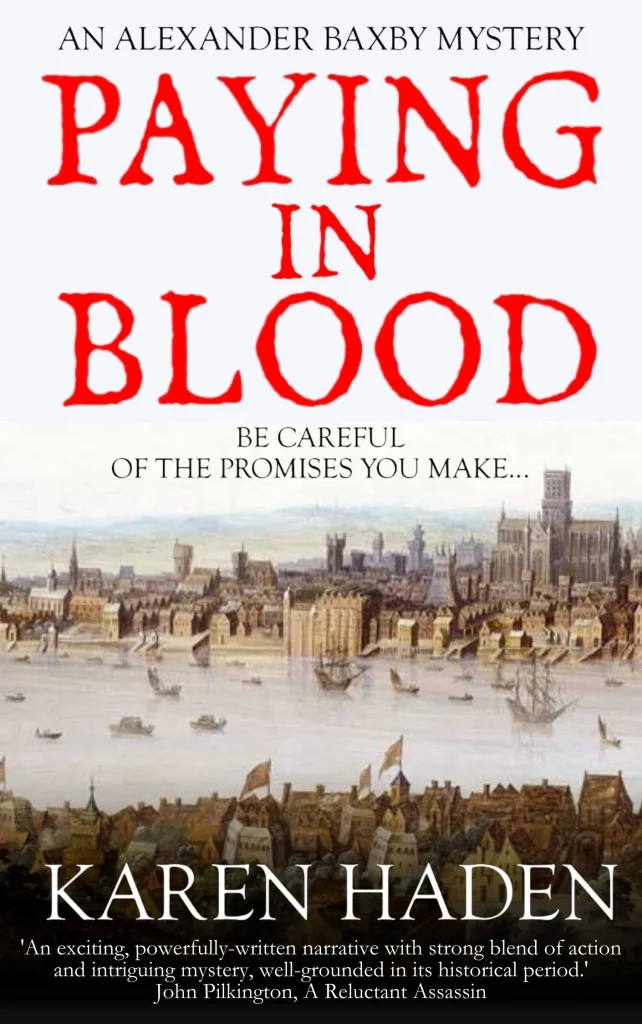
Paying in Blood by Karen Hayden Grabbing a Slice of Minnesota Nice by Lucas Lamont Mother of Exiles, by Joel Flanagan-Grannemann About Basketball….by Mike De Lucia
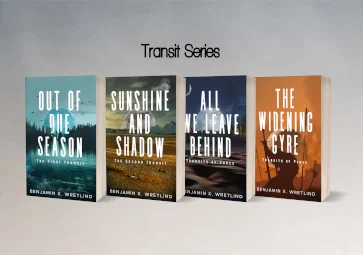
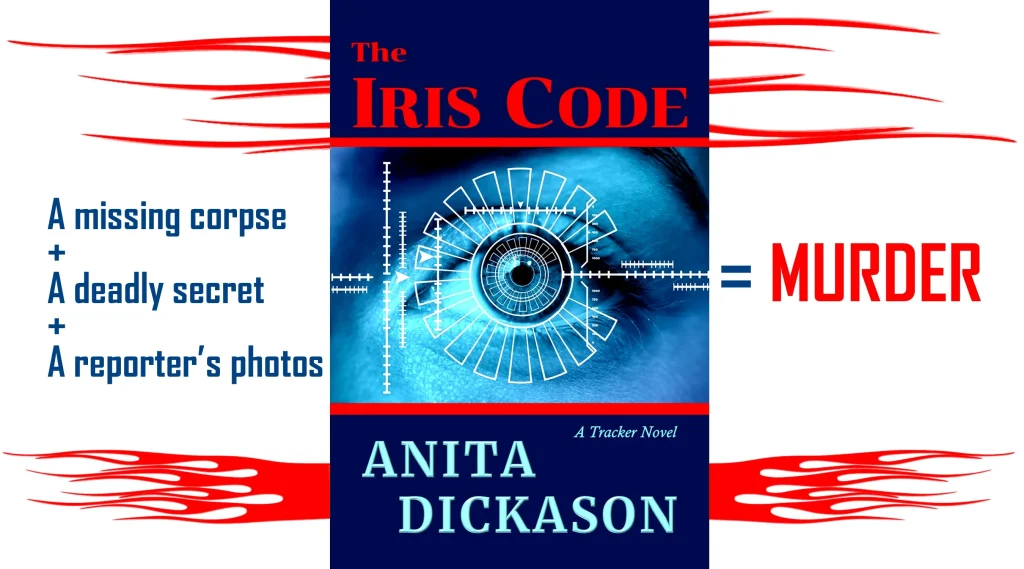
The Transit Series by Benjamin X Wretlind Deadly Business by Anita Dickason Loose Lips by Kemper Donovan The Turnbull Murders by Richard Koreto
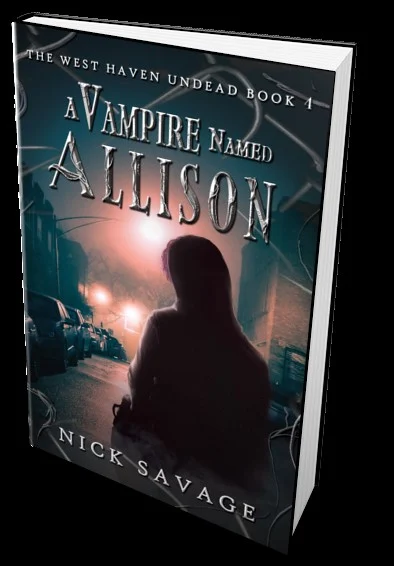
The Vampire Called Allison by Nick Savage The Door by Taggart Rehnn Rise of the Sky Pilot by S. W. Raine The Night Circus by Erin Morganstern
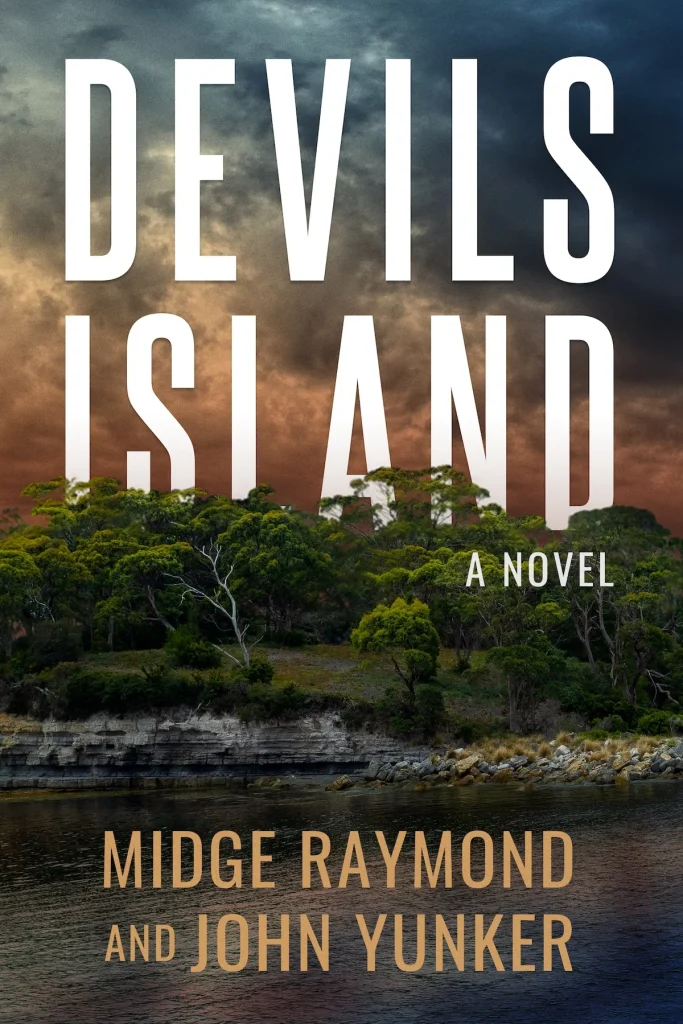
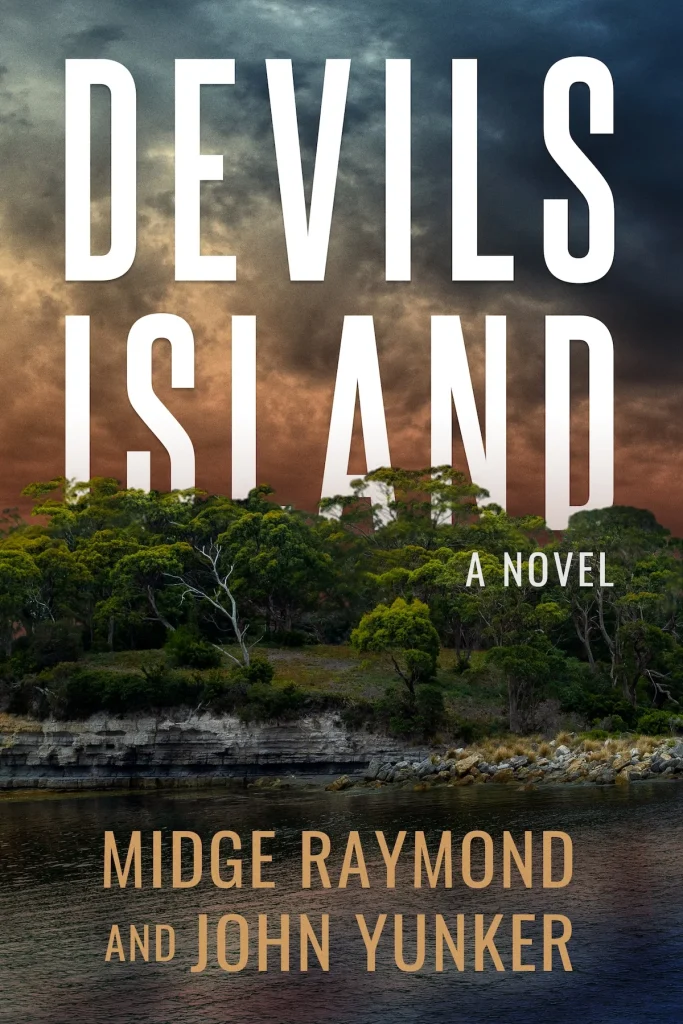
Death of a Dream Catcher by Linda’s Norlander Wonder of Light by Jessica Scatchetti Dissonance by Aaron Ryan Devils Island by Midge Raymond and John Yunker The Bench by Ty Carlson A Stitch in Key Lime by R. A. Hutchins The Cabinet of Dr Leng by Preston and Child The Shadow of the Mole by Bob Van Laer Hoven
Looking for some inspiration? Give these writing prompts a try and see where your words take you.
Only ten letters survived… Still, she waited… A glamorous denial… The heavens already forbade… They took another turn… Seeking wiser counsel… Rapture stole them… Ten times the cost… The scales tipped… A rush of sunlight… The veiled waves… It came down to the poets… Abstract clouds… His footsteps an elegy…
An interview with writer Mimi Francis
Mimi Francis is a sassy romance writer known for her steamy tales of passion that leave readers breathless. When she’s not crafting the perfect happily-ever-after, you can find her sipping margaritas and binge-watching Marvel movies or the TV show Supernatural. But her true loves (after her husband, of course) are her four Shih Tzus who keep her company as she spins stories that will make your heart race and your toes curl. Get ready to fall in love with her characters and the worlds she creates.
1. Is there something about your books/your point of view that you think readers should know? I write my books in third-person dual POV. This gives my books a movie-like feel when you’re reading them. It also gives the reader the chance to see the story from both the male and female characters’ points of view. 2. Will there be a sequel to Taken by the Mobster? The second book in the Massachusetts Mafia series will be released in mid-2025. The title is a secret and under wraps. It will focus on two minor characters from Taken by the Mobster, Caitlin O’Reilly and Grady McCarthy. All of my books are standalone reads in an interconnected universe, so they have a firm “happily for now/happily ever after” ending. 3. Did a particular historical/arcane fact in your research stick with you, maybe becoming part of the series or a standalone in the future? This book is part of a mafia romance series. While doing my research, I discovered that the Irish mafia was quite prevalent in the Boston area in the 1900s. This fact prompted me to focus the series on the Irish mafia in the New England area. 4. Who is your favorite villain of all time and why? (examples please) and 12. Can a villain be sympathetic, or do good deeds in order to be redeemed in the eyes of those around them (or the readers)? (examples)My all-time favorite villain is Loki from the Marvel movies. My favorites are Avengers and the first Thor movie. I think villains can be sympathetic, especially if their origin story is tragic or compelling. And I do think they can redeem themselves if they change their ways and do good. Helping the protagonist accomplish a heroic act often redeems them for me. 5. Which specific authors or books have influenced you in your writing journey?I was heavily influenced by J.R. Ward, the author of the Black Dagger Brotherhood series and Stephen King. Both are writers I admire and when I wrote as a teenager, I tried to emulate their writing, in particular King’s. As I grew as a writer, I became more and more influenced by J.R. Ward. I have followed her for years and I love her books. I hope someday to have people love me like they do her.
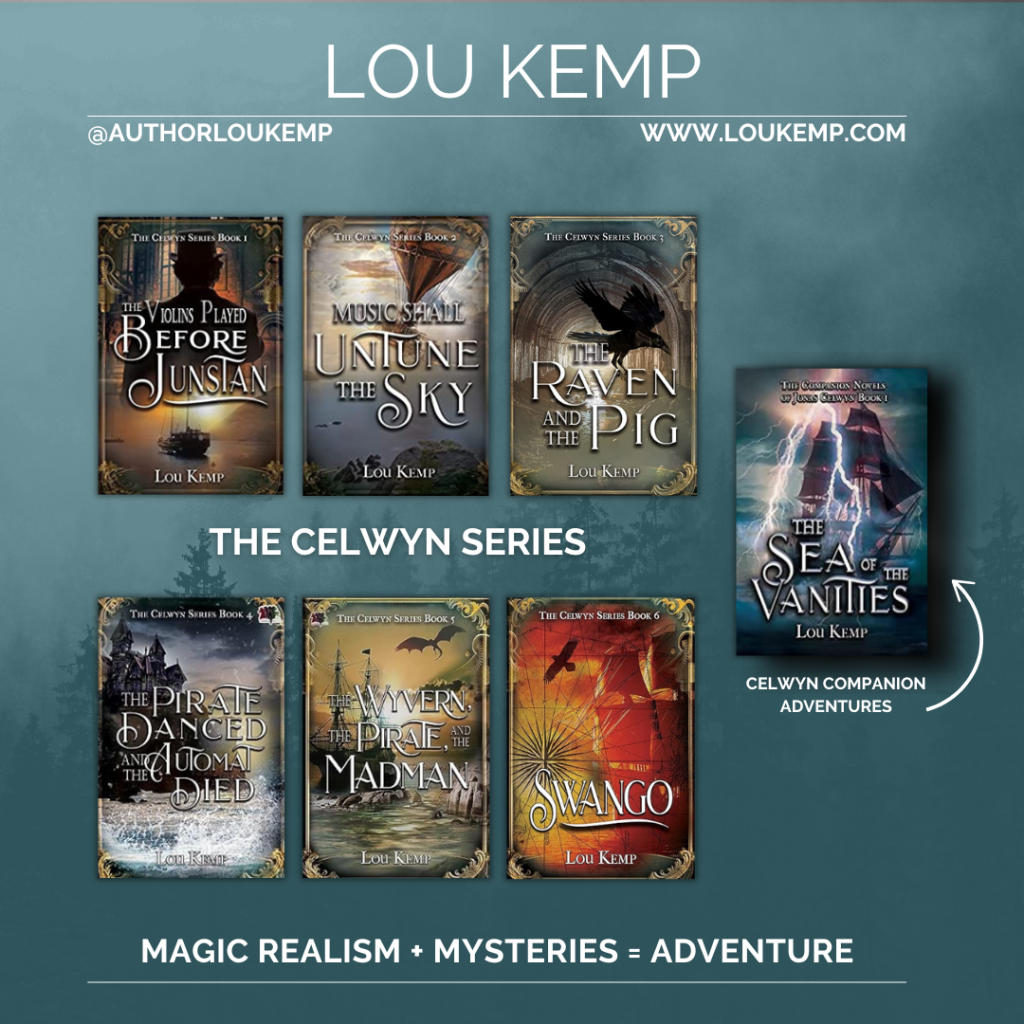
What is New with the Celwyn Series?
For book 7, Lucky and Mrs. Nemo, progress has been made, to a point. All the beta reads are back, and they’re very useful. But …. something was missing, and until this morning I hadn’t a clue what it was. Without committing a spoiler of my own work, lets say it is going to be a double cliff hanger. Of course, with my usual lack of foresight, that means I have to revise at least the beginning chapters of book 8. Such is the life of the disorganized.
There isn’t an official blurb yet for Lucky and Mrs. Nemo. Here is a draft of it:
On Findbar, they’ve added another scientist. Dr. Martha Gluck (aka Lucky) who is a character, literally and figuratively. She enjoys a good gunfight, doesn’t faint at the sight of magic, and accepts danger as a jolly good time. She finally draws the line when she meets up with the broadsword wielding ghost, Mrs. Spencer.
I’ll repeat the following description from last month because I feel like it: Book 6 is finally ready. You’d think I just birthed triplets.
Swango, will be out late this year, 12-29-2024 and is available for pre-order now. The series is still magical realism in a steampunk world with Captain Nemo and Celwyn, but now it contains a new genre; one that will open up the adventures in unexpected ways, usually at the expense of Celwyn, Professor Kang and Bartholomew. Captain Nemo has accepted the unexpected, and even makes sarcastic comments about it.
For Swango: by the time the magician and the others leave Singapore, they are grieving; a member of their family has been murdered in Prague.
The magician’s first encounter with Swango is told as they plan for the Nautilus’ journey to the Castell de Ferro in Spain where Doctor Jurik Lazlo is hiding. Captain Nemo has been searching for him for a long time.
Book 8? I’d last reported that I’d lost about 50 pages of the handwritten first draft. That doesn’t seem so bad now (see the reference to changing the draft above because of a change to book 7) Everything works out for a purpose. If not, even with a little bit of bad luck, or worse, and it all looks as if it were planned that way.
The near future holds another companion book for the series, untitled, and it will star Pelaez demonstrating his untrustworthiness and devious ideas of fun.
Shameless Buy Links to booksellers who carry the Celwyn series.
The man without the hat was not the first Harrow had picked up this week, but he was the first with shoes. Most of them walked barefoot.
The wagon, pulled by two stocky horses with contrasting colors—one ashen, one red—slowed as Harrow pulled back on the reins and gave quiet instruction. He regarded the man standing in the middle of the desert, the man with nothing but ragged clothes, singed in spots, covered in dust, the man with shoes too clean to have been on his feet for long. He was slender, as most people in this day were, but only the stubble of a few days’ respite from a razor covered his face. Even so, there were telltale signs of exposure to the elements: red skin, crusted saliva around the mouth, pinched eyes.
“Afternoon,” Harrow said as the wagon matched the speed of the man.
The man did not look up, nor did he speak. Rather, he continued a slow plod through the desert toward the horizon, a determined gaze fixed upon the unreachable.
“Give you a lift?”
Again, the man said nothing, but an inkling of awareness crossed weathered features. Harrow noted the man’s affect and appearance. It was no different from most of the people he picked up along the way. Gaunt, expressionless, soulless. Some of them started their journey toward the horizon early, some late. Some started in the middle, as it was clear this man had.
The man stopped and Harrow pulled on the reins just enough to rest the wagon. He looked at Harrow, then slowly took in the horses resting in the scorching sun, the jockey bench where Harrow sat, the wagon bed and the iron tires wrapped around maple spokes. Harrow sensed the man was processing, absorbing as much information as possible. Likely, he was calculating a response in a brain no doubt slowed from shock, exposure to the elements, or a lack of water. Maybe all three.
“Where are you headed?” Harrow asked.
“Over there.” The man’s voice cracked as he pointed in an ambiguous direction with a weak jerk of an arm. Harrow noted cracked lips, red with sores, blisters on the backs of a hand. He’d been wandering for a few days.
“Well, hop in. I can give you a ride. There’s some water in a bucket and an extra hat for your head.”
“Much obliged.” The man ambled to the back, stepped into the wagon, then fell in apparent exhaustion on a pile of brown wool blankets. His eyes remained open, fixed on the cerulean blue sky at the end of the world.
Harrow turned. With a quick jerk of the reins, the horses obeyed, and the wagon moved onward.
###
“What’s your name?” Harrow looked back. The man was now upright on the blankets, a tin cup of water in a shaky hand cemented to his lips. He finished the last of the water and let the cup drop on the wagon bed.
“Wendel.”
“Apt name.”
“Yours?”
“Harrow.”
“Odd name.”
The wagon continued forward, wheels creaking against the hard desert ground. Every so often, a rock jostled the two.
“You say you’re headed over there,” Harrow said after a moment. “What’s over there for you?”
“I don’t know. Don’t know where I’m going.” The man turned around. “Not sure where I’ve been.”
“Not much out here at the end of the world save a horizon you can never catch.”
“No. Suppose not.” Wendel crawled forward and took up an empty seat next to Harrow. “Dreams, I guess. Mind if I sit?”
“Not at all. I enjoy the company.” Harrow chewed on blade of grass. “You been traveling long?”
“All my life with no destination in mind,” Wendel said. “If you mean lately, I don’t know.”
Harrow could not respond to that. The two men looked ahead of the wagon at the vast expanse of scrub brush and wide open sky. The rugged terrain was daunting to look at, and yet peaceful in its way. In the distance, to the left and right, huge rock formations erupted out of the desert floor, defiant fists stabbing heavenward.
“Where you headed?” Wendel asked.
“Avernus.”
“Funny name.”
“Ever been to Whynot, North Carolina? Last Chance, Iowa?”
Wendel shook his head. “Can’t say as I have.”
“Funny people make up funny names.” A playful smile crossed Harrow’s lips.
The wagon bumped over uneven terrain, past parched scrub brush, a few rocks. A lizard sat in the sun on one of them, nervously twitching its tail as the wagon passed. Harrow let himself watch the animal for a moment, a tiny imp confused in a hellish wasteland.
Wendel broke Harrow’s trance. “What’s at this Aver— Av—”
“Avernus,” Harrow said. He tore his eyes away from the lizard and looked ahead. “It’s a place to rest. Just over yonder.” He pointed toward the horizon with a dirty, crooked finger. “You can relax among friends, put your feet up and do nothing all day.”
“Sounds mighty nice. Fancy, even.”
“I don’t know about fancy, son, but a rest is a rest after a man’s long journey.” Harrow glanced at his passenger. “Your journey been long?”
Wendel did not respond right away. He looked down at his fingers, picked something out from under a fingernail, looked up at the sky.
“Those blisters hurt, mister?” Harrow asked.
The man turned his hand over and regarded the sores on his skin. Some of the blisters had popped, while other large bubbles had filled with pus.
They sat in silence for another moment. Harrow noted with bemusement that Wendel’s leg rhythmically bounced up and down. Wendel looked right, then left, then right again. He was nervous, or perhaps skittish. Impatient.
“You expecting something?” Harrow asked.
“No, no. Just…just not sure where I am or how I got here. Eager to get out of this desert, though. With all that’s been going on in the world, I want to block it out, put it behind me.”
Harrow nodded, knowingly, but asked anyway, “What’s been going on in the world?”
“My world or the world in general?”
“Only got one.”
“True.” Wendel picked at his fingernails again. “Seems like it’s all burning, and now here I am. Feel like I’ve been walking for days.”
“Can’t all be bad.”
“Can’t say any of it was good. Been running my entire life. Feel like I’m chasing the horizon, round and round, trying to make something I can’t get right.”
“The horizon?” Harrow chuckled. How many people say the same thing? “You just keep running? Sounds tiring, if you ask me.”
“Sad life.”
“Sad. Tiring. A man runs all day, but what if, instead, that man didn’t worry so much about that horizon, about what’s over there? Some say the destination can be a let down. Some say it’s all about being content.”
“I don’t know about that. Has to be better than this.”
Harrow looked at Wendel. There was a definite maudlin quality about the man, a defeatist attitude, but one tinted with perhaps a little realization. “Might feel different if you let yourself enjoy the journey.”
Wendel scoffed. “Enjoy what? The wheat that grows the moment you scythe it or this expanse of dirt? Fires that die the moment you light them? Should I enjoy the angry people on the street, the news in the papers? No, mister. I been trying to create something out of my life, and I can tell you, it ain’t possible where I’m coming from. It is over there.”
Again, Wendel indicated an ambiguous direction with the jerk of an arm.
“I see. You know, some people pay for enjoyment.”
Wendel sighed. “I’d pay a mint just to get there, anywhere, over there.”
“Hmm.” Harrow turned his attention from Wendel and looked ahead of the wagon, ahead at the distant horizon this man so impatiently wanted to get over. The wagon wheels creaked and groaned in rhythm to the clomping of the horses’ hooves. A tiny white cloud disrupted the endless sky, and Harrow smiled.
“How much longer?” Wendel asked, interrupting Harrow’s revelry.
“Maybe two, three days. We’ll rest when the sun sets.”
“Got a book to read?”
“Nope.” Harrow smiled wider. “But I have something that might help you pass the time when we settle the horses in for the night.”
About Benjamin X. Wretlind
Benjamin X. Wretlind is a speculative fiction author who writes science fiction, dark fantasy, magical realism, and some horror. Infusing his writing with a heavy dose of philosophy and epistemology, he is the author of several novels, novellas, and creative writing books and is a full member of the Science Fiction and Fantasy Writers Association (SFWA).
While not writing, Benjamin builds and teaches leadership and professional development courses to staff at Yale University. Owing his life’s viewpoint to Bob Ross, he has also painted a few things, thrown a few paintings away, and probably has a painting on an easel right now. Oh, and he loves woodworking, too.
There is also a great article from editor Jennie Rosenblum and updates and reviews from Gina K. Mitchell. Our new serialization is a short story from Benjamin X. Wretlind, entitled Over There.
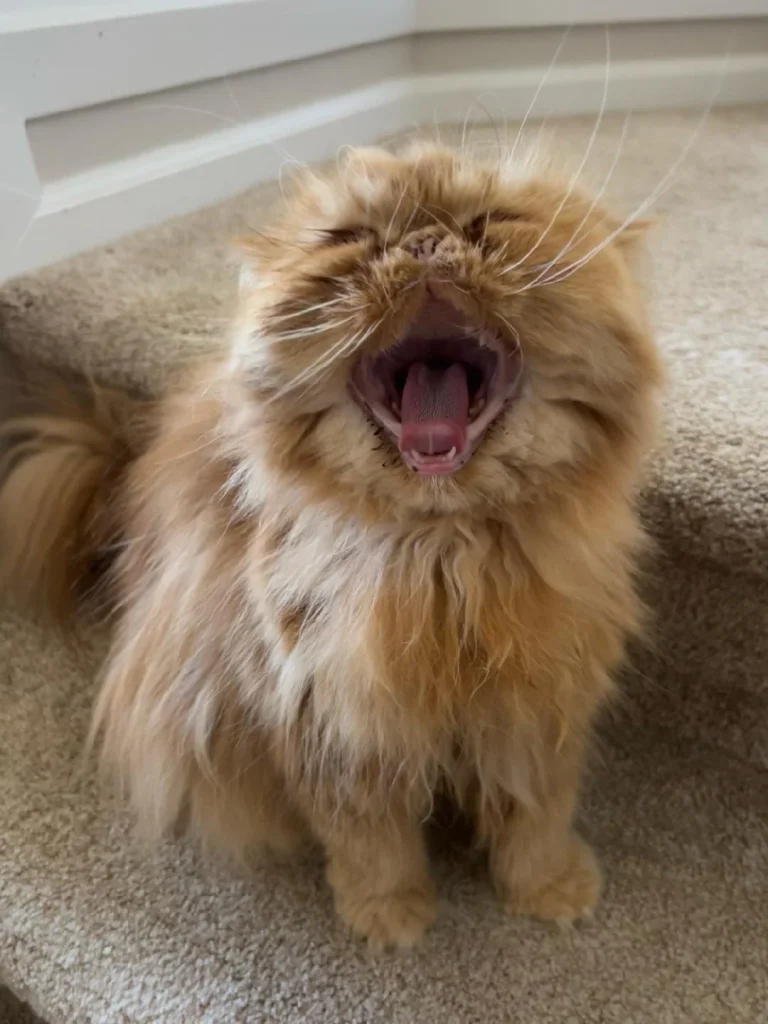
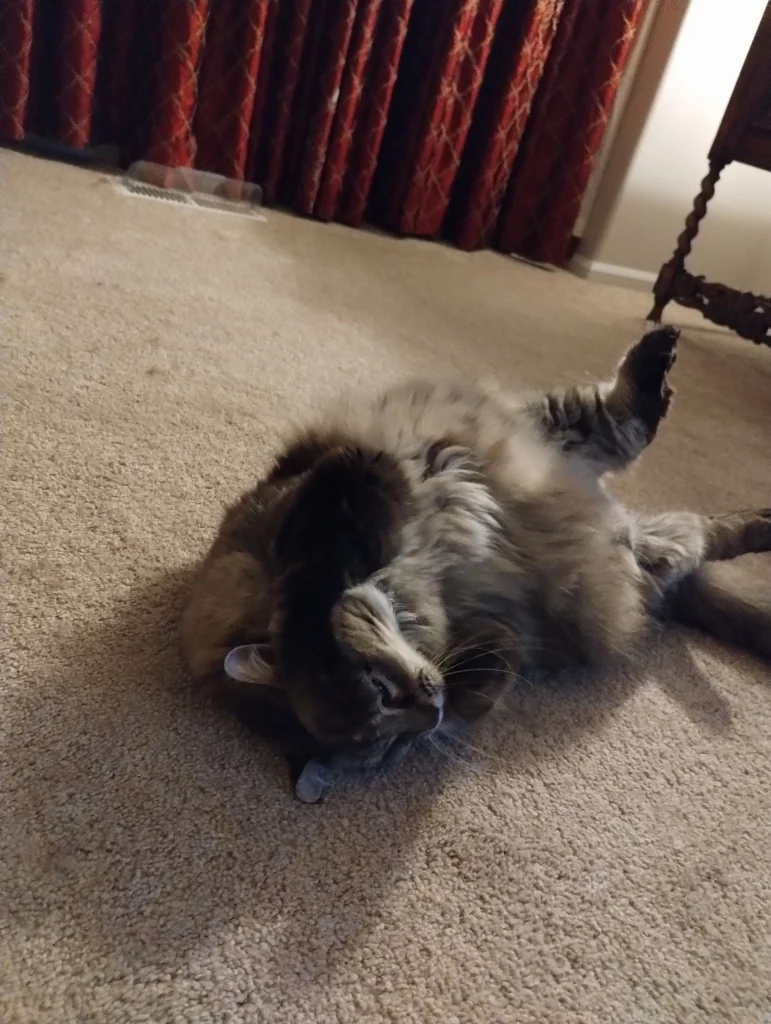
Celwyn’s Cats
Celebrate! Roll around the floor. Take a bath. Hack up a hairball. Book 6, Swango, is almost here!
It’s almost Christmas, can you believe it?
Stop by the Mystery Review Crew on December 1st, https://mysteryreviewcrew.com/ You’ll find some great one-liners nominated by your favorite authors, and a contest.
Later in December, the Mystery Review Crew
will have their holiday event of original short
stories and giveaways. Author Richard Koreto
and I have collaborated on our story, Ophelia’s
Promise.
It features Salieri and Mozart, and a murder.
An Interview with James Seeley
Decorated veteran Jacob Stearne races against ruthless adversaries to recover a secret capable of changing the balance of global power. Entangled in betrayals and shifting alliances, Jacob must first confront the Hero’s Paradox before he can secure the prize.
When James Seeley was ten, he read Treasure Island and thought: when he made stuff up, he got in trouble. So, he became a writer. But life had a few twists. At 19, he adopted a three year old girl, later met and married the love of his life, and had two children. When he’d made all the gold he could eat, he pursued his dream career: writing action-adventures. He is now sixteen books deep and loving it.
1. Does your reading stay within your genre, or do you read different genres? I read widely, both within my genre of mystery and thrillers as well as Sci-Fi, Romance, and Historical. I’ll read anything well-written. I also enjoy a good deal of non-fiction to better inform my writing. IE: This year I’ve read books on economics, writing, espionage, history, mythology, and a few biographies.
2. Do you ever consider yourself in the shoes of the reader? Do you hear anything from them? I think of myself as a reader first. But humans are the best at self-deception, so I constantly poll my readers through my newsletters. I get terrific feedback. I decided not to kill off a couple characters who were boring me because my readers said, “We don’t read Game of Thrones because they all die!” So I shipped the characters off to faraway lands and retrieve them once in a while. As I answer this question, I’m about to send out a poll on whether they’d like a whole new post-apocalyptic series from me. I’ve got a premise in my head, but it would take time away from the bread-and-butter characters.
3. Have you thought of writing non-fiction? For the last ten years, I’ve had a book on parenting in my head, titled: How to be the Perfect Parent. (If you have kids over 15, you just laughed.) As noted in my bio, I adopted a little girl forty-eight years ago; I later got married and had two kids the old-fashioned way (two parents, nuclear family). I now have three kids, three grandkids, and three great grandkids. Over nearly five decades of parenting, I learned a lot of things through trial and error. My second crop benefitted immensely from my good-ideas-gone-wrong and they frequently thank their big sister for teaching me how to be a better dad. If I write it, the book would have chapters like: You don’t know unconditional love until you’ve bailed a child out of jail. And advice like: The goal in life is to have the kids leave and the wife stay. Not to mention observations such as: Getting angry doesn’t work … apparently.
4. Will there be a sequel to Chasm of Exiles? Yes, it’s the sixteenth novel overall (2 prequels and 14 in the series proper). Once, I left a cliffhanger at the end of a book, but I hate those and my readers weren’t shy about telling me their opinion either. Since then, each book stands alone. You can read any of them in any order. The story arc contains elements that carry over, but nothing you can’t figure out. After this book, there are two more stuck in my head. After that, I’m seriously considering an epic post-apocalyptic trilogy or pentalogy.
5. Should new authors write for themselves or their audience? In my humble opinion, you should always write for yourself first. If you don’t like it, why would anyone else? That said, it’s important to understand the reader you want to reach. I happen to love oddball writing and experimental stuff that might not go well with my intended audience. So I write something that I want to read—within reason.
6. Do you have your next book’s plot already in your head? Yes, in general terms. My series has two main characters, and the next one will focus on the heroine, Pia Sabel. She’s a billionaire (the only nice one) who becomes trapped after an avalanche cuts off communications at an exclusive Alpine resort. With her are six other billionaires (not-so-nice) and their significant others. One of the party is murdered and Pia must figure out whodunit. It will be my homage to the manor-house mysteries of Agatha Christie while also paying tribute to the intrigues of John le Carre and the twists of Lucy Foley.
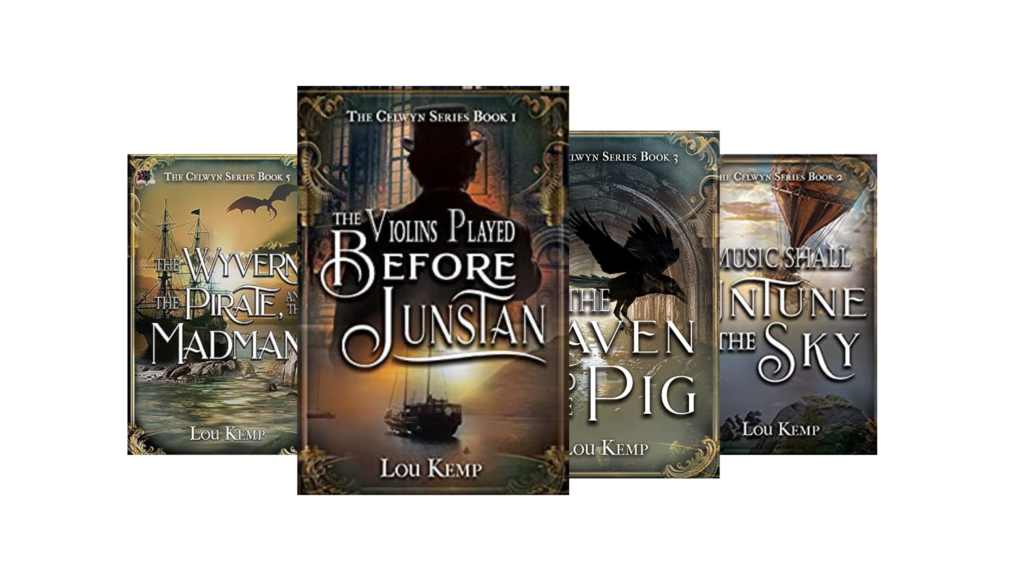
Book 6 of the Celwyn Series, Swango is almost here. Pelaez is back and causing trouble. Available for pre-order now. General availability 12-29-24.
Interview with Valerie Willis
Valerie Willis is an expert typesetter, public speaker, and a paranormal romance author. Works include Writer’s Bane, The Cedric Series, The Prince’s Priest as V.C. Willis, and Cryptid Erotica as Honey Cummings. Her workshops have covered novel writing, research, world building, character development, reader immersion, foreshadowing, and more.
How would you compare Cedric the Demonic Knight to other styles of fantasies? This may have all the trappings of a dark fantasy and broody antihero, but this story, characters, and even the plot at times is pulled from a mixture of mythology, dark history, and superstitions. For Cedric, many will recognize a blend of Russian, Romanian, and Polish folktales and superstitions tied into the mix and names reflective of the Russian Knight Hero Tales that were commonplace during the Dark Ages in which the story takes place in for most of the book. Each book in the series does this with different focal points to add a different flavor that often leads readers stunned at accuracy or the amount of influence from real world mythos.
If you have used a writing group for help and support, what has been your experience with finding them, and using them? At the start of my author career, I was part of a variety of writer groups. Each of them had something different that aided me in both my writing as well as my goal to become an author. For example, one group always had workshops about traditional and self publishing so I could learn more of what to expect from both sides, another group that had a few other writers in the same genre were a big help on making sure I was mastering my genres, another was very open to building writing craft and how to self edit, and another helped with reading my work out loud and being able to strengthen my public speaking skills.
Which of your books was the hardest to write, and why? The 4th book in the Cedric Series was the hardest. I had hit a point in the story where I had to take a step back and do more worldbuilding and establish what I had hinted at for 3 books. Deciding how and what I wanted my underworld and magical realms to look like and more importantly, how they functioned was quite the undertaking. In the end, I am very happy that I didn’t shy away from using the Celtic belief system as the foundation despite how little information from the original culture exists. Using it allowed me to overlap Greek, Roman, Egyptian, and more to add some fun burst of flavor in unexpected places.
For your own reading, what genre (s) do you read? I read a lot of Dark Fantasy, Fantasy Romance, and MM Romance with Fantasy vibes. There is also a lot of Paranormal Romance and Urban Fantasy Romance in my selections. My current series I am chewing through is the Blood and Ash Series by Jennifer Armentrout. SO GOOD! Absolutely love the characters and the banter is so fun for a Dark Fantasy Romance.
Do you plan to write any nonfiction? I have already written and published some nonfiction books! Because I do so much research and have a process, my first one was the Writer’s Bane: Research 101 for those needing help to organize that process or get more out of their research attempts. From there, I have released a textbook sized book on Formatting 101 as well as being known for reformatting old public domain books such as Bulfinch’s Mythology, The Faerie-Faith of the Celtic Countries, and The Book of Werewolves. Non Fiction inspires a lot of what I do and these books are resources for the Cedric Series, so I made them into eye-pleasing versions. Writer’s Bane Series came about thanks to over a hundred panels and workshops, I realized I knew a lot about a lot, and now I’m passing what I have learned and experience to other writers.
Can a villain be sympathetic, or do good deeds in order to be redeemed in the eyes of those around them (or the readers)? I love morally grey characters, and more importantly, every character being flawed. In the Cedric Series there is the constant sensation that each powerful being we encounter is a villain to Cedric in some way, while still being a hero in their own tale. In book 2, Romasanta: Father of Werewolves we get to see this play out a few times as scenes overlap and parallel from book 1. We see Romasanta as this nasty villain but as you travel through his own story you realize that Cedric is oblivious to who he really is, what his intent is, and this concept of Cedric is beneath Romasanta in a lot of ways which drives this concept “I don’t have to explain myself to you” vibe that breaks down communication. I love character that can flip sides depending on where their feelings, morals, and goals align in several situations. We see this the most I think with the character Lilith, and more is revealed about her in books 3 and 5!
Jennie Rosenblum has been an independent editor for small publishers and indie authors. Since 2014, she has been happily self-employed helping authors. Over the next few months, she will be sharing guest columns here. Feel free to reach out to her at www.jenniereads.com.
Why Pay for an Editor When I Can Use Software to Polish My Manuscript?
With the rise of advanced editing software, authors may wonder whether a professional editor is necessary. While these tools can help identify grammatical errors and improve sentence flow, they fall short in areas requiring deeper insight, such as story structure, character development, and market alignment.
A professional editor doesn’t just focus on sentence-level corrections; they look at the entire manuscript. Experienced editors often specialize in specific genres, giving them the expertise to understand what works best for your target audience. They know how to pace a story, develop characters, and maintain the right tone based on your genre’s conventions.
More importantly, the best editors are in tune with current market trends and reader expectations. This knowledge helps them guide you in making your book more commercially viable while preserving your unique voice. Software simply cannot provide this level of market-savvy advice.
Ideas for Holiday Book Gifts
The Cayman Conundrum by Stacy Wilder The Two Terrors of Tule Lake by W M Gunn Confronting Power and Chaos by Christine Scarbek The Canvas by Lane Stone
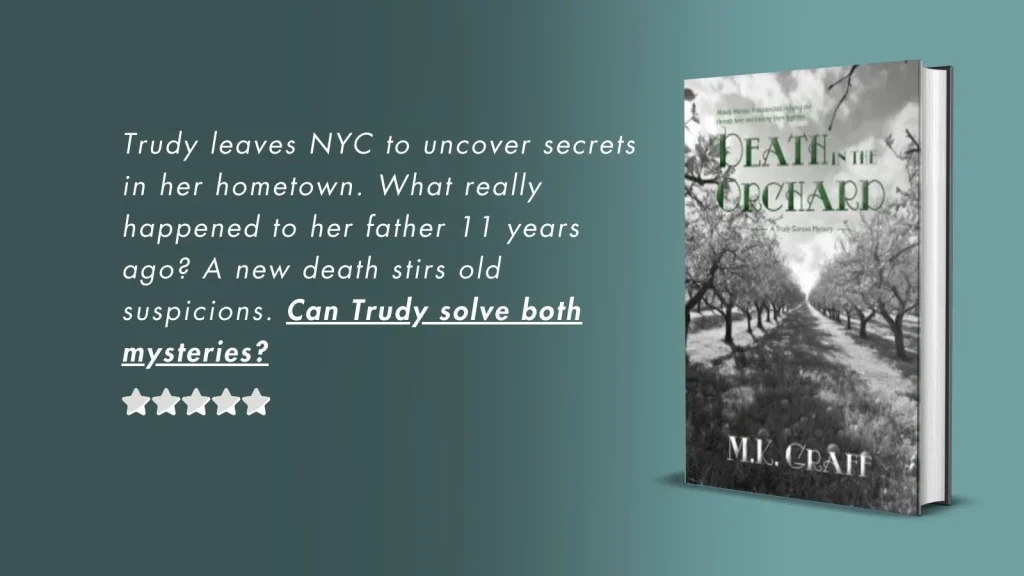
Operation Navajo by Anita Dickason Aebris Storm by Benjamin X. Wretlind Dead Land by Chris Mullen Death in the Orchard by Marni Graff
Linda’s Norlander’s latest Robert Lewis’ Shadow Guardian series Nick Savage’s YA adventure M J Miller’s mystery to die for.
The Celwyn Series YouTube channel
Let’s Talk About BBNYA
The Book Bloggers’ Novel of the Year Award (BBNYA) is a unique annual competition celebrating the best in self-published and indie-published literature. Judged entirely by a panel of book bloggers, it offers independent authors the chance to gain exposure and connect with passionate readers. The competition consists of multiple rounds, with books being eliminated and reviewed along the way, culminating in a final selection of standout works.
For readers, BBNYA provides access to hidden gems, curated recommendations, diverse stories, and insights from trusted book bloggers. With the rise of indie publishing, BBNYA has grown in popularity, making it a respected platform for discovering fresh literary voices.
Sign-ups for 2025 authors and panelists should be open in early February (ideally by February 7. Check my site for details and a mailing list where people can sign up to be notified when entries open.
To learn more about the benefits of BBNYA to readers and authors, check out the blog post, Let’s Talk About BBNYA, on GinaRaeMitchell.com.
While BBNYA 2024 is wrapping up, it’s not too early to consider becoming a panelist or entering an Indie book for the 2025 competition.
Story Serialization part 1 of 3
A Review, and Review Opportunities for Authors
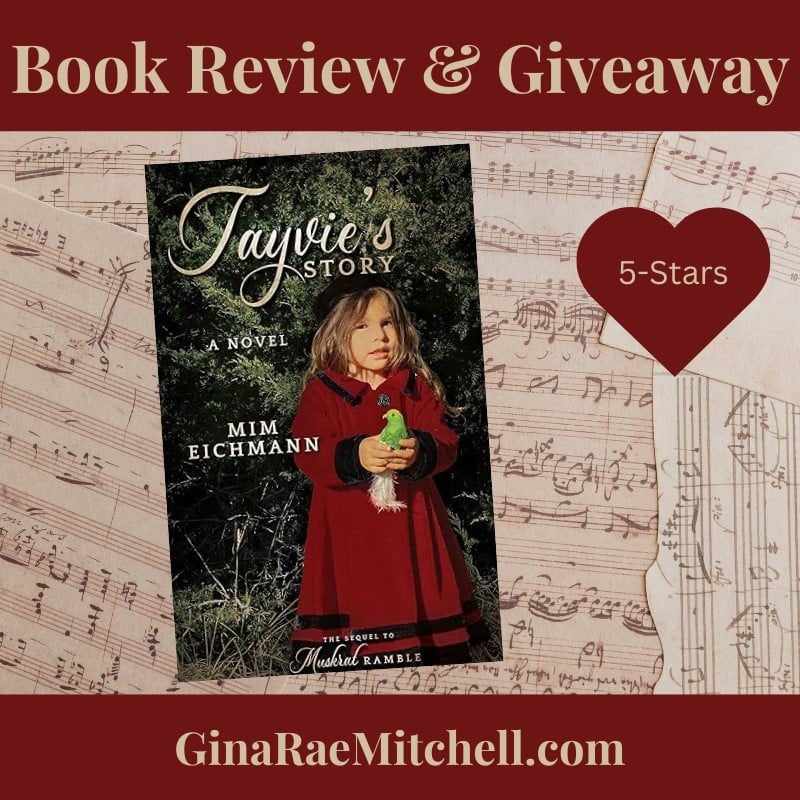
Tayvie’s Story is an extraordinary coming-of-age saga of a talented, young, biracial jazz singer who perfects her craft on two continents during the volatile 1930s and ’40s despite appalling circumstances.
Indie authors, are you looking to boost your book’s visibility?
Gina Rae Mitchell offers reviews, giveaways, and promotions that can help your work reach a dedicated community of readers. With regular features on indie titles, opportunities for promos, interviews, guest posts, and a growing subscriber base, this blog is a goldmine for exposure and engagement. Ready to connect with readers who love discovering new indie gems? Explore more at GinaRaeMitchell.com!
Gina showcases all genres of books, from children’s picture books to middle-grade and young adult books, to all types of fiction.
What is New with the Celwyn Series?
What is new with the Celwyn Series?
Book 6 is finally ready. You’d think I just birthed triplets.
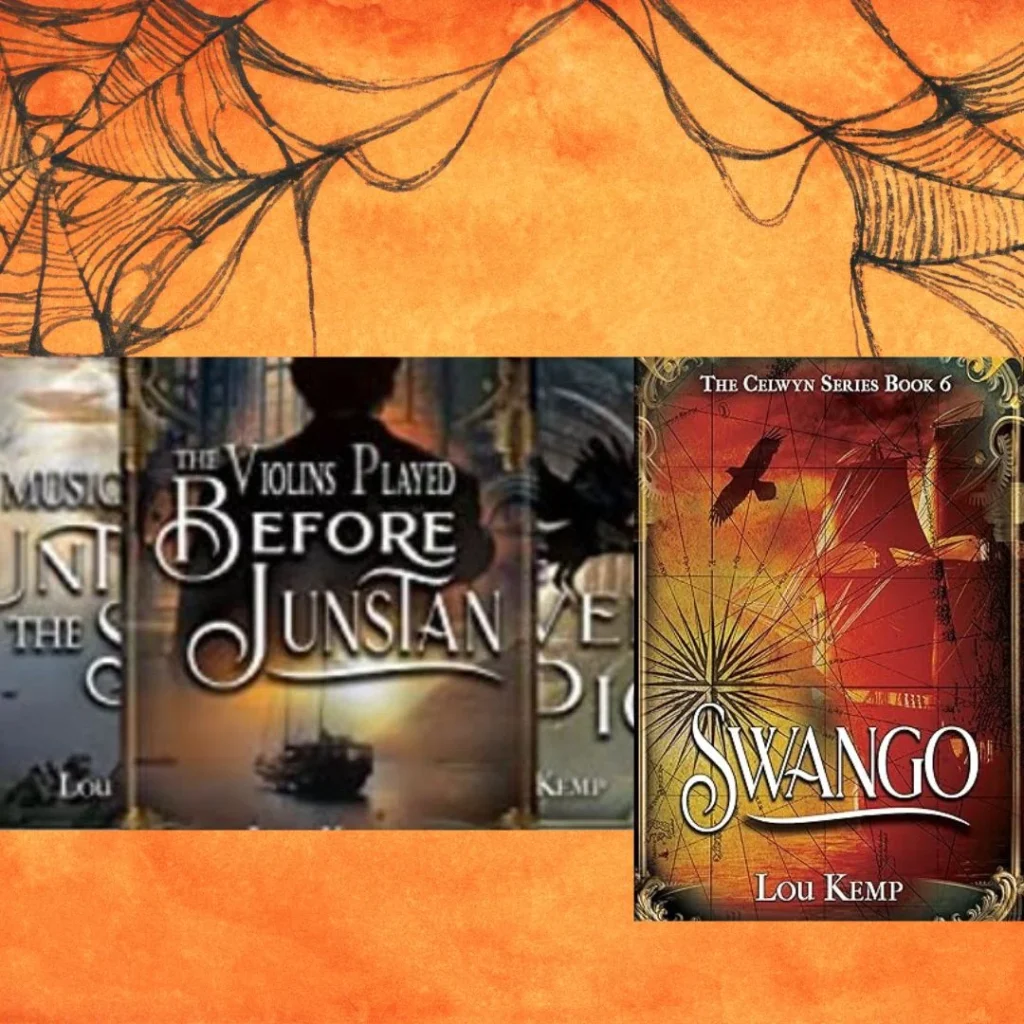
Swango, will be out late this year, 12-29-2024 and is available for pre-order now. The good news is that the title is unusual enough for it to come up easily at Amazon.
….a warning … the series is still magical realism in a steampunk world with Captain Nemo and Celwyn, but now it contains a new genre; one that will open up the adventures in unexpected ways, usually at the expense of Celwyn, Professor Kang and Bartholomew.
The blurb:
Late in the 1870s Singapore, Celwyn survives a vicious attack only to find it may take even more to endure his own family. His brother Pelaez has returned, insisting on his innocence, and their father Wolfgang Augustus Griffin has his sights set on Nemo’s marooned crew. As the Nautilus travels to Beirut, Prague, and Findbar Island, they encounter Swango, a seemingly innocent clairvoyant and drinking buddy from the magician’s past, a man who has more help with his predictions than most spiritualists. Meanwhile, Nemo must finally confront the secrets of his own past.
By the time the magician and the others leave Singapore, they are grieving; a member of their family has been murdered in Prague.
The magician’s first encounter with Swango is told as they plan for the Nautilus’ journey to the Castell de Ferro in Spain where Doctor Jurik Lazlo is hiding. Captain Nemo has been searching for him for a long time.
For book 7, Lucky and Mrs. Nemo, progress has been made since the last newsletter. It has been read by two great new beta readers, thank you Jean and Dorothy, and I’ll soon be able to finalize it and ship it to my publisher. If you would like to become a beta reader, let me know at https://loukemp.com/about-the-author/
There isn’t an official blurb yet for Lucky and Mrs. Nemo. Here is a draft of it:
On Findbar, they’ve added another scientist. Dr. Martha Gluck (aka Lucky) is a character, literally and figuratively. She enjoys a good gunfight, doesn’t faint at the sight of magic, and accepts danger as a jolly good time. She finally draws the line when she meets up with the broadsword wielding ghost, Mrs. Spencer.
Book 8? I’d reported here that 130 pages of the handwritten first draft existed, and I’d tucked it away until book 7 was at the publisher. Well… I can only find about 80 pages, and have had to back up and regroup. Since that discovery, it has marinated for a few weeks, and will move forward again—like a living thing with a mind of its own and a lack of grammar and bad spelling.
The near future holds another companion book for the series, untitled, and it will star Pelaez demonstrating his untrustworthiness and devious ideas of fun.
Shameless Buy Links to booksellers who carry the Celwyn series.
Swango Swango Swango! Book 6 in The Celwyn Series is almost here!
Swango, book 6 of the Celwyn Series is available for pre-order & for sale 12-29-24. In 1870s Singapore, Celwyn survives a vicious attack only to find it may take even more to endure his own family. His brother Pelaez has returned, insisting on his innocence, and their father Wolfgang Augustus Griffin has his sights set on Nemo’s marooned crew.
A Review of Scars of the Heart, by Bob Van Laerhoven
Mr. Van Laerhoven is an artist with words who paints in all mediums.
He also has the ability to make you think and feel. In this collection of short stories his talent is on display with a heavier hand in horror and angst, and it works well. There is no sugar coating what the characters see and do, and yet it is so real, you can picture each part of it, and will find the stories will not go away when you finish them.
For instance, Drees the painter was cursed, no matter what he did, and to make matters worse his best friend’s spirit haunts him. The spirit has company in his guilt. The story is at once old and new, and everything in between. It even has a reference to the race driver, Sterling Moss. The noir is as thick as the betrayal, the revenge, and the retribution; it all ends up in a unrelenting drive to (hiding the spoiler).
From the story the Abomination there is a comparison: the Doctors Without Borders treat all the patients alike, including the murderers and their almost victims—all under one roof. “What do stupid Westerners know of the honour of hatred?” A line that stands out and reminds us that there is whole world out there of so many cultures and history, something Van Laerhoven describes so well.
This story in particular is multi-layered: the narrator is the murderer (honorably in his opinion) of many, and when he later meets one of his victims, he really sees what he did to a victim in the hospital room next to his. He remembers killing her sisters viciously, and yet he tries to atone. His solution is unexpected, except when you realize the circular beauty of retribution and (hiding spoiler) seems to be his unique way of resolving it all. These stories are wonderful, and unsettling, and should be on your list to read. Highly recommended.
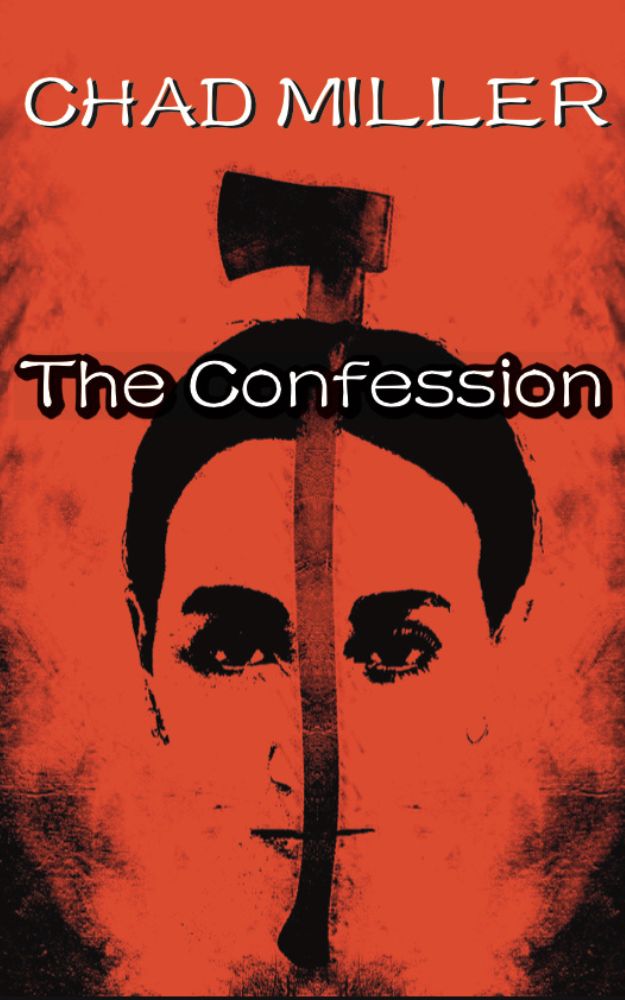
Chad Miller has been writing dark fiction, horror, and mysteries for over 25 years. Deeply inspired by the works of Conan Doyle, Bram Stoker, and Kurt Vonnegut, he’s been studying to create his unique voice. Chad is a pharmacist and lives in Delaware. Chad enjoys playing guitar and going to the theater, museums, and being immersed in culture that large cities can provide.
If you had to recommend one of your books to young adults just leaving YA reading, which of your books should they start with, and why? The Confession. This is an historical mystery and follows my main character, Isabella from her childhood to young adulthood. Even though there are elements of horror and a few brutal scenes, we get an insight of the struggles of a young girl as she tries to navigate adolescence in the late 1800s.
How soon do you know you’ll kill off a particular character, and what told you to do it? I’m not an outliner, but I have specific plot points that I try to organically try to reach. Sometimes this is killing off a character, but other times the story drives itself. I firmly believe that no character is safe. I killed off my favorite character I had ever written because the story demanded it to happen. This even surprised and saddened me.
Which of your books was the hardest to write, and why? Prisoner of Despair. This book was heavily inspired by Bram Stoker’s Dracula. I tried to capture the feel of classic horror, so the novel is written in the epistolary style. The story is told through a series of diary entries and letters through multiple POVs. It was difficult to keep all the voices distinctive and keeping the timelines in order was tedious.
For your own reading, what genre (s) do you read? I’m all over the place. Lately I’ve been reading a lot of Neil Gaiman and Cormac McCarthy. I read almost any genre, except erotica or steamy romance. I just need a great story with great characters. Of course, classic horror is my favorite genre.
Tips from a reader: Gina Rae Mitchell
Navigating the Dreaded Reading Slump: Tips and Tricks
Reading slumps are like an unwelcome guest for avid readers—a period where no book seems to capture your interest or hold your attention. You may find yourself picking up book after book, only to put each one down after a few pages. It’s frustrating, especially when reading is usually a source of joy or escape. So, what causes reading slumps, and how can we break free from them?
First, it’s essential to recognize that reading slumps happen to everyone. Life can get busy, and distractions like work, stress, or fatigue can make it difficult to focus on books. Sometimes, it’s not the book—it’s you. Even the best story might not hold your attention when your mind is preoccupied.
The good news? There are plenty of ways to get out of a reading slump. One simple solution is to change the genre. If you’ve been diving into heavy historical fiction or intense thrillers, try something light and easy, like a romance or a fun mystery. Alternatively, reread a favorite book. Nostalgia can rekindle the joy of reading and remind you why you love books in the first place.
You can also try audiobooks. Sometimes, the act of physically reading can feel daunting, but listening to a book while doing other activities can help ease you back into the habit.
Lastly, give yourself permission to take a break. It’s okay to step away from reading for a while. Often, the desire to read comes back naturally when you’re not forcing it.
Remember, reading slumps are temporary, and your next great read is just around the corner!
What’s up next on the blog?
BBNYA(Book Bloggers Novel of the Year Award) has entered the finals stage. I have been assigned a few books to read for the final round. This year, my reading is a little bit curtailed due to vision issues. So, to make up for it (and in my excitement), I agreed to post 59 Spotlights featuring the semi-finalists over the next two months. This is on top of my regular Indie Author Reviews, Blog Tours, and weekly Friday Fun Finds. I might just be crazy!! Visit my website to follow along with the fun!
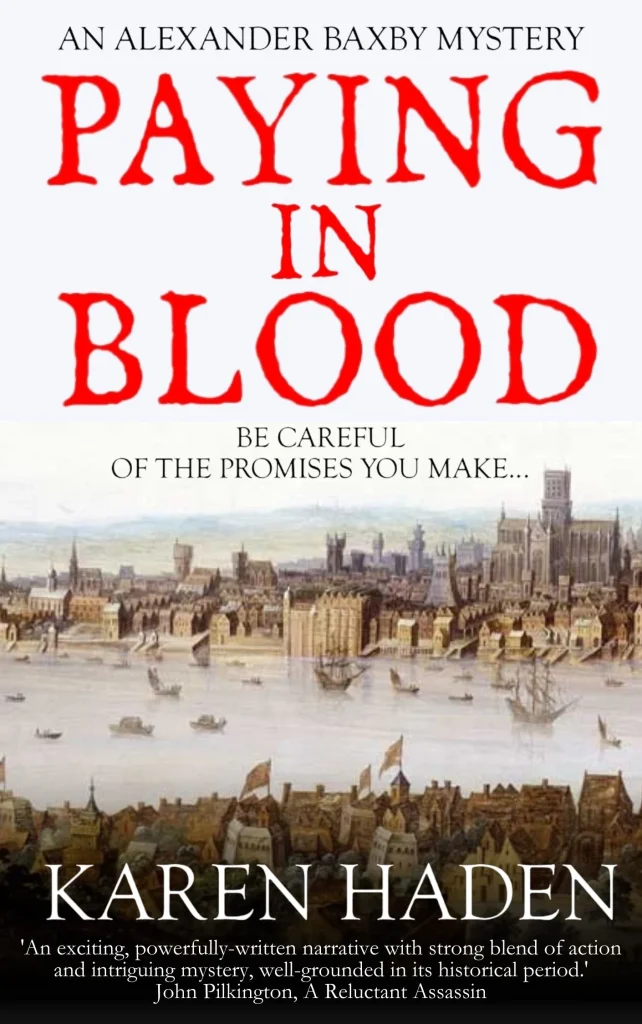
In case you have friends or family in London, Karen Haden will be speaking about her debut novel Paying in Blood at a Cheltenham Literature Festival Local Writer Event on Wed 9 Oct at 12.30pm in the Hub venue.
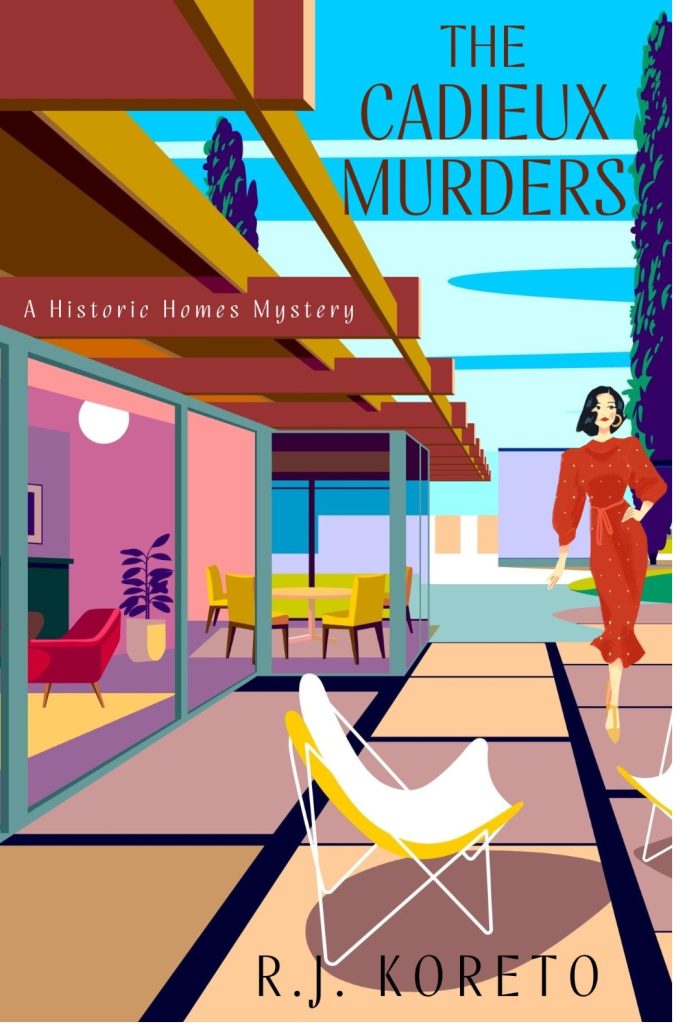
Available mid-October Richard Koreto’s The Cadieux Murders. The ink is still wet on the contract, but Wren Fontaine is already running into trouble as she renovates Cadieux House, a modernist masterpiece on Long Island’s exclusive Gold Coast. The home’s architect was the brilliant and eccentric Marius Cadieux. He was there that night in 1955 when a glittering party ended in a murder that 70 years later still hasn’t been solved.
Story Serializations. As frequently as possible, the Celwyn newsletter will have an ongoing serialization of stories of speculative, mystery, and any other genre I enjoy. If you miss any parts of the upcoming serializations, you can find them here:
Swango, book 6 of the series, finally has a release date: 12-29-24.
The blurb. A magician, a widower, and an automat travel the world… but nothing has prepared them for Swango.
In 1870s Singapore, Celwyn survives a vicious attack only to find it may take even more to endure his own family. His brother Pelaez has returned, insisting on his innocence, and their father Wolfgang Augustus Griffin has his sights set on Nemo’s marooned crew. As the Nautilus travels to Beirut, Prague, and Findbar Island, they encounter Swango, a seemingly innocent clairvoyant and drinking buddy from the magician’s past, a man who has more help with his predictions than most spiritualists. Meanwhile, Nemo must finally confront the secrets of his own past.
For book 7, Lucky and Mrs. Nemo: Finally, it is with the beta readers. Those lucky and kind souls. I’m excited about it because of the major changes in it, but also nervous that I’ve captured all the opportunities with it.
There isn’t an official blurb yet for Lucky and Mrs. Nemo, but Lucky is a character, literally and figuratively. Traditionally the personality of a scientist is dry. Not so for Lucky, who enjoys a good gunfight. She participates in the final bloody scene as they defend Findbar, and where they find the ghost of Mrs. Spencer in the mansion’s tower with her broadsword and a deadly attitude. The new genre introduced into the series in book 6 is active in book 7, and Kang and Bartholomew both wish it weren’t. Certain things scare them more than others.
Book 8: Although 130 pages of the handwritten first draft is still safely put away I have been thinking instead of continuing with it, letting it percolate like a confused cup of coffee.. More ideas have come to the surface, and they require a bit of fore-planning. Not if they’ll be included, but how.
The near future will have Pelaez still causing trouble, and Celwyn keeping the peace between his brother and Captain Nemo. Maybe Swango can be bribed to leave Pelaez somewhere in the future? Or Pelaez will reach the point where he wants to be the only untrustworthy member of the ensemble.
Shameless Buy Links to booksellers who carry the Celwyn series.
Why did Crackleton’s wife travel to Lincoln and die there? Apprentice Baxby vows to help his friend discover the truth. His loyalties will be tested, amidst Tudor court politics and espionage, but murder must out.
Karen Haden was born and raised in Portsmouth, but now lives in the South West of England with her husband and family. She graduated in engineering, then worked as a consultant for government clients, alongside volunteering as a prison chaplain. Using these experiences, Karen writes historical crime thrillers encompassing politics, espionage and spirituality, from the perspective of ordinary people.
Her debut novel Paying in Blood was published by Sharpe Books in March 2024.
How would you compare Paying in Blood to other styles of mysteries?
Set in England, during the last years of Queen Elizabeth I’s reign, Alexander Baxby’s quest to solve the mystery of a young woman’s suspicious death leads him into the murky world of Tudor politics and court rivalry.
More unusually, the novel shows their impact on ordinary people’s lives, as powerful statesmen and bishops exert increasing control through espionage, surveillance and limiting access to books. Baxby tells his story from gaol, so the precarious nature of early 17th century life is never far-away.
Of all your characters, which is the most like your personality?
Baxby shares character traits and life events with my late father and myself. Like many working in Defense and Security, we understood the need to keep secrets, even from closest family and friends, and the resulting tensions that can bring. I am glad to have retired from that environment to write.
Who is your favorite villain of all time and why?
Disney villains such as Cruella de Ville and Snow White’s wicked Queen remain strong favorites. Growing up, I was closer to my father than mother in a competitive home, which may explain my on-going fascination with the complexities of female malevolence and power.
Can a villain be sympathetic, or do good deeds to be redeemed?
In my childhood and whilst working as a consultant, I saw how minor differences can spiral into major conflict. Issues were rarely black and white. People with different perspectives often saw different parts of the whole.
As a result, my heroes and villains are more nuanced. Although courageous, loveable and loyal, Baxby has multiple weaknesses. Antagonist Archbishop Bancroft does what he deems necessary to protect national security, with lethal consequences.
Will there be a sequel to Paying in Blood, and if so, what will it focus on?
The next Alexander Baxby mystery will be published in the autumn of 2024, in which his attempts to start a new life in Amsterdam will be shaken by a series of unexplained deaths. Suspecting Bancroft’s spy-network has spread beyond England’s coast, Baxby’s own life will be threatened as he pursues the truth.
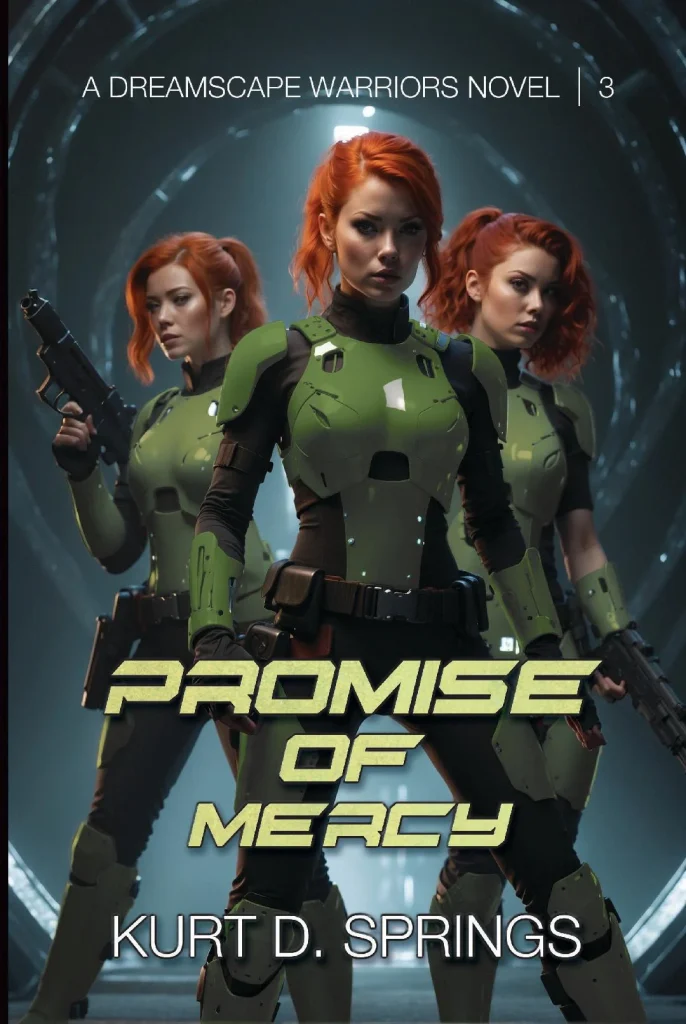
Deirdre and her sisters’ homecoming plans are disrupted when their parents are kidnapped. In their desperate search, they discover the Rebellion is building weapons that could end galactic civilization.
Kurt D. Springs is presently an adjunct professor teaching anthropology and archaeology in New Hampshire. He holds a PhD. in anthropology from the State University of New York at Buffalo, a Master of Literature in archaeology from the National University of Ireland, Galway, and a Master of Liberal Arts in anthropology and archaeology from the Harvard University Extension School. His main area of interest is megalithic landscapes in prehistoric Ireland.
What one aspect of sci fi makes it richer than the other? what are the drawbacks when writing one or the other?
There are many types of science fiction. Hard science fiction tries to stay true to the known rules of “how the universe works,” such as Einstein’s speed of light limit. Space Opera tends to hand-waive many rules for the sake of the story being told. To get from point A to point B in the galaxy, Gene Rodenberry’s Star Trek used “warp drive,” and George Lucas’s Star Wars used “hyperspace.” In Robert Silverberg’s stories, people traveled between galaxies using something he called “overdrive.” I use “interdimensional,” which is similar to warp drive. It allows me to tell a story that takes place within a reasonable length of time and explore other aspects of my universe. The drawback is that science purists can claim it is more like “science fantasy” because “you can’t travel faster than the speed of light without time dilation.” At least I’m in good company with Rodenberry, Lucas, and Silverberg.
In your upcoming book, did you change the personality of one of your characters to make them more interesting, less violent, more empathetic, etc. than the books preceding it?
In the last scene of Promise of Mercy, as Deirdre and her family step onto the tarmac of Etrusci, their home planet, her father says. “Did it really change that much since we left? Or are we the ones who have changed?” Promise of Mercy focuses on Deirdre and her identical triplet sisters, Aisling and Bayvin. The triplets are highly skilled but have only just finished advanced training. Their father, Liam, was the hero of Price of Vengeance and Legacy of Valor. Experience has changed Liam from a green junior officer to a seasoned veteran. Raising three girls and a boy also made him an experienced parent, which helped when he was befriended by Marisa, a retired Rebel leader whose little girl needed his help. This is more of a natural progression of his maturing as a person.
Deirdre experiences growth that almost mirrors that of her father. At the beginning of the story, she decides she should kill Marisa. By the end, she starts to have doubts. Hence the importance of the title. Marisa has a colorful career as a Rebel commander and scientist. We see her in Price of Vengeance after gathering Liam’s genetic material for her own project. By the vents of Promise of Mercy, she has become disillusioned by the Rebellion and regrets much of what she did during it.
Which of your books was the hardest to write, and why?
Legacy of Valor was the hardest to write of the books published to date. It involves a full-on battle on the moon of Treespo, which orbits the planet Beta Proximus IV. Liam was forced to take control of the division. Keeping the various parts of a multipart battle straight and interesting is not as easy as it sounds.
Will there be a sequel ?
I have three novels that are entering the editing stage before being sent to the publisher. Addiction of Power focuses on Liam’s son Aidan as he and Marisa’s daughter try to bring an end to the civil war. It is something of a romance between the two. Following that is Path of Redemption, where a minor villain from Promise of Mercy falls for Deirdre. I also have a prequel novel taking place 600 years before the events of Price of Vengeance.
(Was and Were are the most commonly used culprits)
Yes, certain writing styles call for some passive voice. I stress the word “some.” While a well-placed passive voice sentence can add to the stylistic allure of SteamPunk, or the period pieces of literary fiction, most of the time, (even within those examples) passive voice runs the risk of disengaging the reader from the flow of the scene.
When writing, it is all about showing and not telling.
We show the reader what is happening, we don’t tell them. This may sound strange as our job is to write words, so let me give you an example:
Passive voice.
1. There is a cast iron tea kettle on the stove, whistling. I knew the green tea had been steeping for a while because it had been whistling for five minutes.
Active voice.
2. A cast iron tea kettle whistles on the stove. Its high-pitched alarm rang through the kitchen for five straight minutes.
Forget the fact the sentences are basic. The first tells the reader what instead of showing—there’s a tea kettle whistling for five minutes.
Passive voice has a much harder time painting a picture.
Active voice brings the scene to life.
There are many ways to write passive and just as many to turn those phrases into active. Of course, passive voice cannot always be avoided. And, as stated, the occasional use is fine. But avoiding them makes for more engaging writing, and I think we all strive for that.
Here’s a way to practice with your writing. (I’m not selling anything) Get a free account with Pro Writing Aid or Grammarly. Make sure the passive voice alert is turned on. Go through your work and find a purple underlined sentence. Think of different ways you can restate the sentence in active voice. Sometimes a simple word substitution or two is all you’ll need. Other times, an overhaul will be needed. Practice and have fun with it.
We all write because we have stories inside us we feel we must tell. I’m here to help you tell them in the best voice you have.
Books On Your Terms: The Perks of Digital Reading and Audiobooks by Gina Mitchell
Digital reading and audiobooks have transformed the way we enjoy books, offering new levels of accessibility and convenience.
Digital reading is a game-changer for anyone who loves books but needs a more flexible approach. You can tweak the font size, change the background color, or even switch to a voice reading the text to you. This is especially helpful for people with visual impairments or reading difficulties. Plus, with e-books, your entire library fits in your pocket, making it easy to dive into a new story whether you’re on the bus, at the airport, or just lounging at home. And the best part? You can download a new book in seconds, opening up a world of stories at your fingertips.
Audiobooks are perfect for those moments when you want to read but need your hands and eyes free. Whether you’re driving to work, hitting the gym, or preparing dinner, you can immerse yourself in a story or learn something new without pausing your day. A good narrator can make a book come alive, adding layers of emotion and personality that make the experience even richer.
Together, digital reading and audiobooks make it easier to enjoy books wherever you are, fitting seamlessly into the flow of everyday life.
Aaron Ryan is the author of the bestselling “Dissonance” sci-fi alien invasion saga, the sci-fi thriller “Forecast”, the business reference books “How to Successfully Self-Publish & Promote Your Self-Published Book” and “The Superhero Anomaly”, several business books on voiceovers penned under his former stage name (Joshua Alexander), as well as a previous fictional novel, “The Omega Room.” Aaron has always had a passion for storytelling.
I currently admin a 32k member author group on Facebook that I, hmm, “inherited.” Author Evie Ryland administrated it for years but found that it had grown beyond her ability or desire to maintain, so she invited other admins to take over, and I stepped up. It’s a great group. The online groups are RIFE with scammers and swindlers promising marketing abilities, demo videos, reading jobs, etc., and we’ve really cleaned house in my group. I’m very grateful for the interactions that happen in there, although I always wish there were more.
How soon do you know you’ll kill off a particular character, and what told you to do it?
I’m more of a “pantser” in how I write, which, for those who are unfamiliar with the term, I’m more of an organic writer. I prefer to let the character take me where they want to lead me. That doesn’t mean that my writing is to the exclusion of mileposts, mile markers or guidelines off any kind…no: doing so would be sculpting a novel bereft of forward direction. Art mirrors life, and life just ‘happens’ to us. So I like to write in that style, and let events unfold that take me by surprise as well. That includes the death of a character, which I don’t really know about or plan until I’m pretty much right upon the death itself. That being said, there are times where I know I have to advance the mission of the protagonist, and sometimes there’s no greater catalyst than someone dying in order to set them on a path of resuming that mission with greater intent.
Which of your books was the hardest to write, and why?
Dissonance Volume III: Renegade was the hardest in terms of the series. It involved FAR more research than I’d ever conducted on a book before. There are a lot of military elements to it, and those military elements and details need to be authentic and correct. I conducted a ton of research with colleagues and friends who are or were in the military in positions of knowledge, and they were immeasurably helpful. I really strove for verisimilitude in my books, especially in Volume III. The last thing I would want is for a seasoned military vet to read that book and exclaim, “What?!?! That’s not even right. This author is out of his mind.” I’m very proud of how it turned out and the incredible direction I was given by my military friends.
Talk about how your series came about. What did you initially visualize for the theme? Did it lead to an idea for a new series?
I honestly just had plans to write a single book focusing on an alien invasion. I had no idea there would be so much of a robust subplot that demanded further exposition and investigation. There are a lot of great character arcs in here, tons of beautiful world building, wonderful stories and great backstories I needed to mine. So it ballooned into two, and then three installments, and then, my favorite: the prequel. The prequel has a TON of heart in it. I love all of them and am proud of all of them but that is, by far, my favorite. And now I’m working on another installment in the series! I have been trying to work on a brand new novel that is NOT “Dissonance”-related, but this universe keeps sucking me right back in! 😊
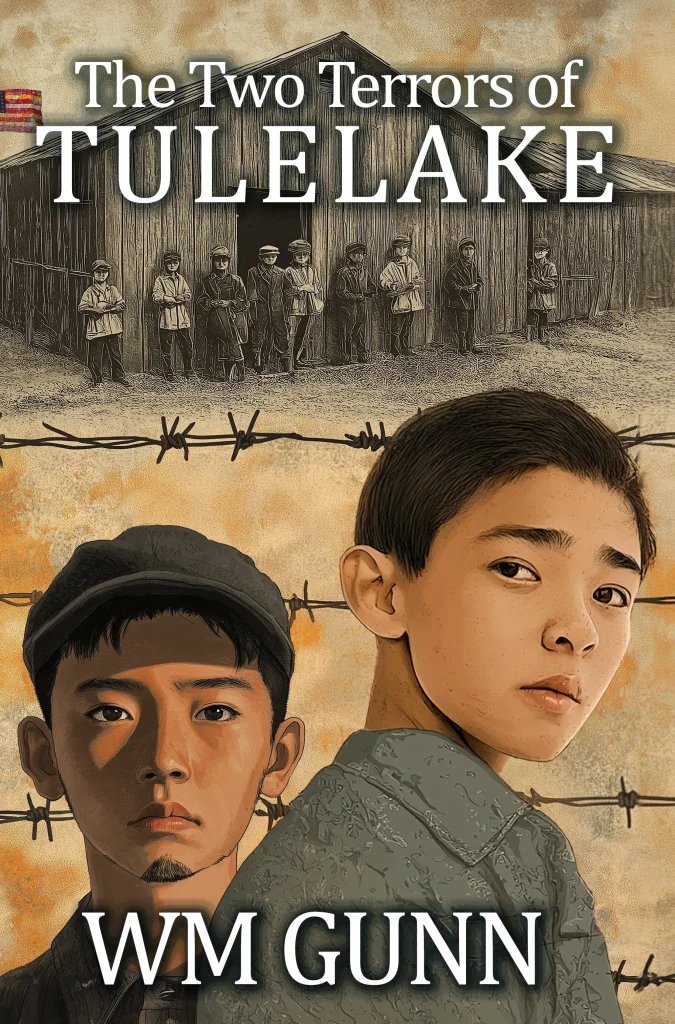
WM Gunn’s new novel will be available October 2024
THE TWO TERRORS OF TULELAKE
The horrors of World War II shocked the world. Americans believed it could never happen here…until it did.
Ichiro Hisakawa and his family were part of the American culture – living the American Dream – until February 19, 1942, when President Roosevelt signed Executive Order 9066 that branded them “the others”. Taken from their homes and stripped of their lives and citizenship due to their ancestry, they endured deplorable conditions in the “relocation camps”. Typhus ran rampant through the camp, and riots were a daily occurrence. And for the first time, America was scornful. Life was difficult and the Hisakawa family did their best to endure it all.
However, 16-year-old Ichiro wasn’t prepared for the betrayal, murder, and escape that was waiting for him. And how did Bobby King, a sixteen-year-old from 2017, find himself in 1942 and befriend Ichiro?
A draft of the blurb of the upcoming Swango, book 6:
“The story opens in 1877 as Celwyn and his brother survive a vicious attack in Singapore. The atmosphere aboard the Nautilus is tense; not only has Pelaez returned (claiming his innocence for destroying the flying machine), but a third of Nemo’s crew is marooned in the city and under threat by Wolfgang, Celwyn’s father.
By the time the magician and the others leave Singapore, they are grieving; a member of their family has been murdered in Prague.
The magician’s first encounter with Swango is told as they plan for the Nautilus’ journey to the Castell de Ferro in Spain where Doctor Jurik Lazlo is hiding. Captain Nemo has been searching for him for a long time.”
Book 6 is through editing with my publisher, and the cover will be ready soon. Swango, will be available at the end of December. Warning: it contains a new genre. One that fits totally, and gives the ongoing story more freedom.
For book 7, Lucky and Mrs. Nemo: Finally, I’m almost done editing. By the time you read this newsletter, it will be complete and off to the beta readers. Either I’m getting pickier when I edit, or my writing is deteriorating. Whatever the cause, book 7 will be in good shape and my blood and sweat used for ink. I don’t cry over editing, I just get more tea.
There isn’t an official blurb yet for Lucky and Mrs. Nemo, but Lucky is a character, literally and figuratively. Traditionally the personality of a scientist is dry. Not so for Lucky, who enjoys a good gunfight. She participates in the final bloody scene as they defend Findbar, and where they find the ghost of Mrs. Spencer in the mansion’s tower with her broadsword and a deadly attitude. The new genre introduced into the series in book 6 is active in book 7, and Kang and Bartholomew both wish it weren’t. Certain things scare them more than others.
Book 8: 130 pages of the handwritten first draft is still safely put away until the book 7 edits have been finished and it has been beta read. This cuts down on confusing my brain. As a preview though, book 8 addresses the dangling danger at the end of book 7 most satisfactorily for those of us more bloodthirsty than others. Then things get worse.
The near future will have Pelaez still causing trouble, and Celwyn keeping the peace between his brother and Captain Nemo. Maybe Swango can be bribed to leave Pelaez somewhere in the future?
Shameless Buy Links to booksellers who carry the Celwyn series.
Originally appearing in an anthology called Monsters of Memphis (1997) Lou Kemp is taking us on a journey back to France in 1944. Following Finian who is a medic haunted by a chilling gift—he can see the shadows of death before it strikes. As the horrors of battle unfold around him, he’s drawn into a mystery deeper than the blood-soaked trenches. When a young girl’s brutal murder unveils a web of betrayal and desperation, Finian must confront the true cost of life and death in a world where every moment teeters on the edge of oblivion. The Frequency of Violets is a haunting tale of war, loss, and the fragile hope that endures.
The Frequency of Violets Part Two
If you haven’t read part one yet, please go back and do so as part two builds upon the story.
###
Two days more, and Intelligence had pinpointed the advancing Nazis. As dusk bled like blood through dirty cloth, Finian and the rest of the company peered from the trenches ringing the fields. As a morbid prelude to a surreal play, the ground trembled with the advancing tanks, and the first wave of Nazis poured out of the forest.
###
Bandages, blood, and screams didn’t mean anything anymore. To Finian, the bodies in the trenches looked like sausages in red gravy. Hours of grenades, explosions, and the staccato spit of the rifles intensified as the shadows multiplied. For the first time, he wondered if the company would survive.
Finian felt the hair on his neck prickle and then he was running toward the abbey,
the smell of violets growing stronger. Pervasive.
“Emily!” He called her name and pried open the doors of the abbey, peering into the dark.
The foyer was a mountain of rubble. In the furthest corner, the glow of a single candle wavered, guttering as if life ebbed under water. Finian climbed over the last of the debris in time to see Emily’s father lay her body before the pulpit.
Her throat dripped crimson. Only feet away, her pale image hovered above the pipes of the pump organ that reached for the rafters.
“Emily!”
As Finian knelt beside the body and smoothed her brow, the mayor of St. Marie backed away. The heavily accented words of her father seemed to come from far away.
“It does not matter what you see or what you do. The Nazis will kill you. They will not believe anything you say.”
The man spoke without remorse. With dedication.
“Emily’s mother couldn’t forgive you.” Finian said. “You informed on the village.”
The hum of the planes drew close, vibrated the air, and the first bomb floodlit the night, staggering them where they stood.
“Perhaps, Monsieur. Does it matter?”
With those words, Finian saw it did matter. Life mattered, as much as death.
Like a flood from a burst damn, he could taste every drop of rain, drink in each ray of the sun, weep over each tear and every death. Finian remembered the wariness and futility in Emily’s eyes as the bones in the mayor’s neck snapped under his fingers, and the last breath hissed from his lips.
The battle raged as Finian stumbled outside to stand before the field of violets that shimmered over the dead and dying.
Walking and never stopping, through the motherless cold, he carried a backpack of sorrows and a cane of bleached bone.
Originally appearing in an anthology called Monsters of Memphis (1997) Lou Kemp is taking us on a journey back to France in 1944. Following Finian who is a medic haunted by a chilling gift—he can see the shadows of death before it strikes. As the horrors of battle unfold around him, he’s drawn into a mystery deeper than the blood-soaked trenches. When a young girl’s brutal murder unveils a web of betrayal and desperation, Finian must confront the true cost of life and death in a world where every moment teeters on the edge of oblivion. The Frequency of Violets is a haunting tale of war, loss, and the fragile hope that endures.
The Frequency of Violets Part One
Southern France 1944
The night turned white, and then more golden than a summer’s day.
Like a rose unfolding, the first bomb opened the hill from within, exploding the rocks and dirt, and burying everything below. The cluster of houses at the top disintegrated and burning debris rained like confetti. Was this the hellish version of the 4th of July, Finian wondered.
The thought left him as he heard the whine of the bombs coming closer as the soldiers cursed and screamed.
A warm and bloody hand gripped his wrist. Finian turned, and a soldier without a face fell on him. By the time he found the soldier’s pulse, he didn’t have one anymore.
“Move your ass Finian!”
The deafening roar of the planes faded to the south, and the cries of the wounded escalated, billowing into the clouds of dirt that hung in the air. Finian stumbled on something that looked like a bloodied, legless sheep. He threw down his bag and knelt beside the first body.
As he turned the soldier over, a package of cigarettes spilled into the mud. Finian stuck one in his mouth and pushed Corporal Johnson’s guts back into his shirt, before wiping the blood from his own eyes. When he moved to the next soldier a few feet away, he didn’t need a torch or headlamp; the fires burned bright as the trees on the hill blazed and the stench of burning flesh wafted in a tangible cloud toward them. Finian didn’t turn around; if it was a cow burning, or the body of a child, he didn’t want to know.
Finian had bandaged five and bent over the sixth when he heard Sarge bark, “Over here, Finian! It’s Frank.” Finian pretended he didn’t hear him, just like he tried not to see anything at all as he tried to help a soldier without a hand stand up.
Sarge spun Finian around.
“I said, go help Frank.” He pointed to the body lying under a cargo truck.
“Yessir.”
“Don’t fucking Sir me. Fix him up!” Sarge shoved Finian ahead of him. “You cold son of a bitch!”
Finn fell twice before he knelt beside Frank Torino. In front of him, the other medic breathed in short gasps, and his eyes had dilated to opaque disks. Finian glanced over his shoulder; Sarge still watching him as he bellowed orders and lifted a stretcher.
As Finian held Frank’s hand and waited for him to die, the scent of violets pervaded the air, growing stronger. With a last shuddered breath, the soldier’s soul lifted from his body.
###
Twenty-eight hundred men had arrived outside the village of St. Marie. They set up the mess tent and established headquarters in an odorous barn behind the church.
In the ninth century, the township of St. Marie had been built into a hollow a few miles from the road to Marseilles. So far, it had been unmarked by the Nazis. As the sun set, heavy clouds cleared to the south and the sour stench of boiling beans rolled across the unplanted fields.
Finian cupped his coffee against his chest and waited for sundown. He sat just inside the perimeter, under the trees that bordered the village. To his left, gurgled the stream that fed the river, and to the right rose the medieval abbey built of stone. Every night he relived the same thing, and he dreaded what he’d see, unable to ignore what impelled him to look. He’d tried whiskey, the Army shrink, and a blade across his wrist, but they hadn’t helped. The impulse to look could not be ignored.
The scene always began normally with men walking, talking, sitting and smoking. A few slept under pup tents. When the darkness became complete, the faint smell of the violets would come, and then the first shimmering image. Maybe one, or maybe dozens, but for every man who would soon die, Finian saw a pale shadow mirroring him, following the living, shuffling close behind.
Last spring, Finian had seen the first image outside the seediest pub in Bristol. Their company had gone ashore, drank as much as they could, then stumbled into the night as the nocturnal bomb parade started. The cook fell down the stairs by the river and into the water. When Finian reached to pull him up, the body seemed to turn white, and a pale shadow fled the body. Finian screamed all the way back to the ship.
Last night, Frank Sorino had walked the camp shadowed, as had more than seventy men. Finian huddled into himself, knowing his ability to see death intensified with each day. Maybe he’d always been able to see the shadows, or anyone could, or maybe it took too much death, the kind that saturated your nerves until you could see.
The frequency of death came faster after they landed on the Normandy beaches and began the long walk south. Men went to sleep and never got up again. The pale shadows followed the rest of the company, still dressed in fatigues, and wandering like they would wander forever.
###
“Fourteen villagers left. The rest are dead or in pieces hanging from the trees.” Corporal Nevin pointed with his clipboard. “See the little girl on the other side of the square? She’s been sitting there all day, ever since the bombs stopped.”
Morning had seeped from the watery clouds, and the cleanup begun from the night before. The remaining men of the company worked various details trying to establish order. Finian should have been sleeping, but it had been days since he could. The fear of waking and finding his own image staring back into his own eyes, felt real.
“Her mother got it last night. Father is the mayor. That’s him over there, tall guy talking to the Sargent.”
“What is her name?” Finian asked. She looked like a sparrow fallen from a nest and into cold water. He could understand.
“Suddenly you care about the civilians, Finian?” Corporal Nevin flipped pages on his clipboard. “Emily Caron. Talk to her Finian, you talk to yourself enough.”
As Finian walked across the square, he skirted mounds of rubble and parked jeeps to where the girl sat on one of the boxes in front of the trucks. Tears dripped off her chin.
He shoved a handkerchief into her hand. It fell into the mud. As he bent to retrieve it, he saw the anger behind the tears. She was looking beyond him, at her father.
“I’m sorry about your mother, Emily.” Finian said.
The girl shuddered. Eyes bluer than the river studied him with the inscrutable wariness he’d seen in many of the villages. She blinked several times. He recognized exhaustion.
“If you want to sleep. I’ll be here.”
###
Darkness fell, and Finian didn’t move, just listening to Emily softly snoring as the camp settled around the destruction like a warm hug that came too late. The moon rose, glowing like a portent. The poker games began with the rattle of the dice in the bedpans.
As Finian lit his last cigarette, Emily shifted, curling into a tight ball. When her breathing changed, she sat up, took the cigarette from him, and inhaled.
The mayor of St. Marie came toward them, talking animatedly with one of the officers. He waved to Emily and walked by. She stiffened.
“Why do you hate your father?” Finian asked.
Her lips barely moved, and she wiped away the first tear.
Also an article by Richard Koreto covering a different perspective of mystery sleuths, and a short story by Benjamin Wretlind!
Celwyn’s Cats
Adjectives !!!!!!!!!! Gimme Adjectives!!!!
All About Podcasts goes national!
A few months ago I posted an article here about podcasts that interview authors. The Mystery Writers of America saw it, and interviewed me, along with several other authors, for their quarterly newsletter. It is six pages long, including the graphics. The MWA has many members who are afficionados of the genre and others who are professionally interested. There is also a discount for senior members.
John Yunker is an Oregon-based author of the thrillers The Tourist Trail and Where Oceans Hide Their Dead. He is co-author with Midge Raymond of the forthcoming mystery Devils Island (Oceanview Publishing, 2024). Learn more at www.MidgeandJohn.com.
How would you compare Devil’s Island to regular mysteries?
I often refer to Devils Island as an eco-mystery because the environment and animal protection are overarching themes. But it more commonly described as a “locked-room mystery.” In this case, the locked room is a remote island off the coast of Tasmania. I think what might make it slightly unique is the structure – we leveraged the five-act structure of Hamlet for the novel.
Which of your books was the hardest to write, and why?
My most difficult book to complete was Where Oceans Hide Their Dead. Took about 7 years of writing and much more rewriting. This is the darkest novel I’ve written because it deals with some difficult and timely issues like drug addiction, and the horrors of the animal industrial complex.
Does your own reading stay within your writing genre, or do you read a different genre for yourself?
I read across genres and my writing most likely reflects that, as sometimes my novels are called “literary” other times called “thrillers.” While I appreciate that a genre label help readers find books they want to read, as a writer, I worry that these labels get in the way of publishers taking chances on work that don’t fit cleanly into any one category.
When researching your books, do you have a sample of what you discovered that is especially interesting?
For Devils Island one of the most interesting bits of research is learning that the Tasmanian Devil, an animal about the size of a small dog can devour a large animal like a kangaroo within hours—muscle, organs, fat, bones, even fur—leaving nothing left.
Will there be a sequel to Devils Island, and if so, what will it focus on? and will it have a solid ending or leave things open for more?
We’ve left the door open to a sequel, one that would take place in Ashland, Oregon. So we’ll see. I have a difficult time letting go of characters, which often leads to sequels. In fact, my novel Where Oceans Hide Their Dead is a sequel of sorts to The Tourist Trail.
What do you think new authors should decide first, before they begin their book?
I always aim to write the book that I most want to read and I recommend writers do this as well. Because, in the end, regardless of whether you find an agent, a publisher or readers at the very least you will have pleased the most important reader of all: yourself. But, that said, during the editing stage it’s important to be able to see your work as other readers will see it. My partner Midge often quotes Stephen King: Write with the door closed; rewrite with the door open.
How important is site research for the location where your books take place, and why? What should a beginning writer consider about location in their novels?
Site research is the most exciting part of writing, particularly in the case of Devils Island, where we hiked the island off the coast of Tasmania where this novel takes place. While I don’t believe it’s essential to visit every place you write about, it certainly can’t hurt.
Can you see yourself using Ai in your books? On what part and why?
I’m amazed at how well AI engines produce cleanly written sentences. But humans are far messier, our voices more distinct, than any computer algorithm. I don’t really see AI as a threat to creative writing – though perhaps a threat to predicable and voiceless writing. That said, writers deserve to be compensated by any tech company that wants to scan their work to train their algorithms. The very reason AI appears “magical” is because it was trained our hard work.
An Interview with M K Graff
Marni Graff is the award-winning author of The Nora Tierney English Mysteries and The Trudy Genova Manhattan Mysteries. She writes for the crime blog, Miss Demeanors, and also reviews crime books. Managing Editor of Bridle Path Press, she’s a member of Sisters in Crime, Triangle SinC, Mavens of Mayhem SinC, the NC Writers Network, and the International Association of Crime Writers. Marni lives in rural eastern NC with her husband and two Aussiedoodles.
Is there something about your books/your point of view that you think readers should know? The Trudy Genova series is based on my favorite real nursing position as a medical consultant for a NY movie studio. It’s the series my mentor and friend, PD James, asked me to write and the first book is dedicated to James. I like to say Trudy is a younger, prettier version of me! But really she’s her own person, with the ability to lie at the drop of a hat when she pokes her nose into murder investigations. At first annoying NYPD detective Ned O’Malley, he’s come to learn she’s a good judge of human nature. I’m enjoying having Trudy move in that circle behind the camera where directors ask for your expertise but are under no obligation to use it!
Are there other writers who influence you, either present or past? I read all the Golden Agers and of course Agatha Christie is a big influence on most crime writers. But two of my favorites are: Daphne Du Maurier, with Rebecca my favorite novel for its complex plot and nuanced characters; and PD James, whose complex look into all of her characters made me understand them fully. She’s also believed, as I do, that setting is important to the plot, as it’s a character in itself. Your setting is the stage you move your characters around.
If you have your next book’s plot already in your head, could we have a preview of what to expect? I’m actually straying from my series and going to do a standalone historical, a first for me. Its title is Eleven Days and it’s set in 1926 at the Harrogate Hydro in Yorkshire. The main character is a young maid living there under a false identity. She becomes embroiled in a murder investigation when a fellow worker is killed, and a new guest helps her as she questions what happened. It becomes apparent to my character that the guest, Mrs. Teresa Neele, is really the missing Agatha Christie. Having a huge secret of her own, she keeps Christie’s identity quiet. There WILL be another Trudy Genova that will bring her back to New York City, but that setting is in the works and I can’t reveal it yet…but think bridal shops!
A Profile of Wren and Hadley: Reflections on a Lesbian Sleuth by R.J. Koreto
I want to say that I was firmly committed to creating a lesbian protagonist when I began my historic homes series. But to be honest, it was a case of my character overruling me, as was her right. As Stephen King wrote, “A good novelist does not lead his characters, he follows them.” I had planned for the 30-year-old architect, Wren Fontaine, to begin a tentative romance with a man, an associate of her client’s. I put their meeting down on the page—and nothing happened. They didn’t connect. I shrugged and kept writing, planning to come back to it later. In the next chapter, Wren met her client’s female cousin—and that’s when sparks flew. The scene practically wrote itself. I didn’t see it coming—Wren knew before I did.
Fictional gay detectives have been around at least since 1970, when same-sex activity was still illegal in most of the U.S. A lot has changed since then: Wren comes from a long lineage. Today, I get questions and comments about Wren and her girlfriend Hadley, but none of them have revolved around their orientation. Sadly, homophobia still exists, but it was interesting to note how little commentary the fact of their relationship has generated from readers or reviewers. Most of them seem to simply look at Wren and Hadley as a love affair they will watch grow from book to book.
Writing about Wren and Hadley required an adjustment for me: When I wrote about straight couples, I found I had to work around a spirit of inequality. Even in modern times, there are still men’s roles and women’s roles: On my birth certificate, there is a place for my father’s occupation but not my mother’s. Wren and Hadley, however, could start their relationship without preconceived notions on gender-based behavior.
I’d like to think people have always found workarounds. In an Edwardian-era mystery I wrote, “Death Among Rubies,” I portrayed two unmarried women who elected to share a house for companionship. One attended to their social life, and the other managed the finances: a typical relationship for its time. But it was one they chose, not one imposed on them according to gender rules.
This same freedom works today, and I’ve enjoyed developing Wren and Hadley. Or, more accurately, watching them develop. Their third mystery, “The Cadieux Murders,” will be released later this year. Wren is logical and introverted, happiest when working on the historic homes she renovates as an architect. Hadley is intuitive and extroverted, a chef/event planner who fits right in with the lively dinners and parties she organizes. They complement each other wonderfully. Ironically, they may be the most conventional couple I’ve ever written about. But again, it’s a matter of choosing what is right for them as individuals and as a couple, rather than meeting society’s expectations.
Indeed, Wren and Hadley have encouraged me to think about all kinds of relationships, which is exciting for me as a writer. I now see multiple ways to be a couple: In The Turnbull Murders, Wren must contemplate the romantic life of her long-widowed father. He has made an effort to understand her romantic choices—but can she understand his? And in her first outing, The Greenleaf Murders, Wren struggles with her growing feelings for Hadley, while contemplating the murky Gilded Age couplings that once existed in a great New York City mansion she is renovating. More than a century ago, men and women worked to forge relationships and succeeded—or failed—just as Wren will.
“I don’t understand all this,” Wren complains to her new girlfriend about Gilded Age bed-hopping.
“What can I tell you?” says the more worldly Hadley. “Straight people are strange.”
Richard Koreto is the author of several historical mystery series. His current book is The Turnbull Murders, second in his Historic Homes series.
Words are magic, and Ellie Lieberman has been enamored with the magic of storytelling since before she could hold a pencil. She learned how to write so she could write her stories. Though her books vary between ages and genre, one element that is always a guarantee is the light in the dark, from the flicker of a candle to dragon fire.
Do you plan to change the personality of one of your characters to make them more interesting, less violent, more empathetic, etc.? Will they evolve as your series does? (do family/friends ever call you by one of the characters’ names?)
I do not plan my characters. I discover them as the story unfurls much like the plot itself. One thing I can always guarantee about the characters is there will always be some form of development, whether it’s for the best or a downward spiral. Even when the Be Series goes back on the timeline, like in the sort of prequels of An Impossible Dream, and my current WIP, Where the Heart Is, there is development in a better understanding of the characters for the reader.
Do you have your next book’s plot already in your head? Could we have a preview?
I’m currently working on book 3 of the Be Series and, because it is a prequel to book 1 & a sort of prequel/running parallel to book 2, AnImpossible Dream, I know far more of the plot than I normally do when I write.
Preview:
“A pen shoved into her hand redirected her attention back to the document before her. “Duty,” she reminded herself. “Responsibility.” This was for her kingdom, her people. “Give me strength.”
“True love is never stealing a selkie’s coat, forcing her to be where she doesn’t want to be, forcing her to be anyone but herself.” According to Clary’s mother, that was what her grandfather said.
“Even if you find someone who loves you like that, society does not and will not,” her mother told Clary once. “It is not just the individual who steals the coat.”
Her hand was suddenly in possession of a mind of its own. She hesitated. Had it been Molvinius’s name instead of the careless scribble she could not begin to make out, their seed might have been a pine tree. A nod to his Northern heritage. A symbol of longevity, forever green, withstanding snow and sun.”
Is there something about your books/your point of view that you think readers should know?
An Impossible Dream follows a character very important to the story but is only really mentioned in book 1. It’s her story, but readers also get to see younger versions of characters they loved from the first book, such as Henry and Fra. They get to meet a slew of new characters that will come to play a vital role in the books to come.
I discover the story as it naturally unfolds, I write by the seat of my pants (pantsing), rather than plotting. And what has been amazing with this series in particular is the threads across books, tracing them back to some of their roots, learning more about characters, and in doing so the way each book seems to naturally set up the next, especially given the shifts in the timeline between books.
Will there be a sequel to An Impossible Dream, and if so, what will it focus on? Will it have a solid ending or leave things open for more?
An Impossible Dream is already a sort of prequel for the first book in the Be Series, but the books can be read in any order. I’m currently working on a sort of prequel for An Impossible Dream, but book 4 is really the sequel to Be, where characters from the first 3 books come together and strive for peace, both personally as well as between kingdoms.
When you were writing this book, or previous books, did the plot flow just as you initially wanted it to look, or did you have to change anything major?
I do not plot my books. Instead writing a sort of prequel as both AnImpossible Dream and my current WIP, Where the Heart Is. For book 3 of the series, I’m working off on the timeline that each previous book establishes, and adding to it. This makes more of an outline than I usually follow. That being said, having the chance to see moments from a different character’s perspectives or memory can sometimes change events, in terms of the level of understanding or depth.
And each character tends to have something I did not initially anticipate when they first came to me.
Let’s Talk About Book Genres! Are There 5 or 5,000 Different Genres?
Categorizing books into genres can be challenging, even for experienced book reviewers. Today, I’ll look at the basics of book genres to help readers find stories that suit their tastes.
Fiction is an overall general genre that includes literary fiction, historical fiction, science fiction, fantasy, mysteries, thrillers, and romance.
Nonfiction includes biographies, self-help books, and history, while the Young Adult (YA) and children’s genres cater to younger readers with age-appropriate themes and adventures.
Distinguishing sub-genres can be tricky, so relying on the author’s classification or trusted sources like Bookshop.org or Goodreads is always recommended and helpful.
Exploring different genres can enrich your reading experience and broaden your literary horizons. To learn more about book genres and classifications, please read the full article at ginaraemitchell.com.
Time travel has been written about so many times, there can’t be anything fresh in it. I decided to play with time travel once—and only once.“Terminal Conversations” appeared in Travel a Time Historic, an anthology published in 2005.
Track One, Number Nine! All aboard!
The terminal was packed. So much for quick and easy travel. People crowded toward the entrance to Track One, their bodies pressed tightly against each other. Justin watched with detached disgust, hoping his train wasn’t so crowded.
In front of him, a fat man in a business suit was engaged in a heated argument with a ticket agent. His toupee flopped up and down in time to his mouth. The agent stoically looked past the customer, as if she wished he were either dead or she were someplace else entirely.
Justin couldn’t hear the exact words, but something was “not right” about “time” and the man wanted his “money back.”
Maybe that was “mother back.”
The line stretched past the counter and wrapped around stanchions and ropes. There were probably fifty people waiting to buy tickets and an equal number who waited for information. The air was stale; each individual exhaled breath added a distinct smell to the mix. It wasn’t right. Justin found himself secretly wishing they would all stop breathing.
A woman in her thirties, lithe and well-groomed, crossed the terminal commons. She seemed to hone in on the chair next to Justin and turned. He smelled sweet and alluring perfume before she ever sat down. Her dress shifted up past her knees as she crossed her legs and fumbled with her purse. She turned to Justin and weakly smiled. “Hi.”
“Hi.” He thought he heard his voice crack.
The woman pulled a compact out of her purse and studied whatever it was women felt they needed to study in mirrors. With flare, she snapped it shut and put it back in her purse.
“So, where are you headed?” The woman sat back in the chair and folded her arms.
“1952.” He tried to shift his eyes from her. He did not want to stare. “And you?”
“I’m going to ’59.”
“Going to see family?” Justin wondered if that question sounded too obvious, almost childish.
“Yeah. My grandmother graduated high school back then. I think she would have liked to know I was there.” The woman smiled, her eyes twinkling under the harsh terminal lights.
“Ever traveled back before?”
“Once, when I was fifteen. I took a train to 1929 with my father. He said he wanted to see his dad before he hung himself after the market fell.” The woman’s smile faded. She leaned over and put a hand on Justin’s shoulder.
“I don’t think he told me the truth,” she whispered.
Justin felt his heartbeat escalate. “What does he do for a living?”
“Plays on Wall Street with all the other stuffed shirts. Haven’t seen him in a few years, though.” She took her hand off his shoulder.
Justin put his ticket inside his coat pocket and looked up at the line at the counter. “Looks like a busy day to travel.” He turned back and noticed again just how attractive she was. “Name’s Justin.”
“Allie.”
The noise in the terminal grew louder. Words collided against words while people mindlessly walked from place to place. The high ceiling and open spaces created echoes out of every sound. Justin sat back against the chair.
“And you?” Allie turned her head slightly, revealing delicate tanned skin on her neck. “Travel much?”
“On business, mainly.” Justin sighed. “I’m a temporal systems program manager, so this is pretty much my life.”
“How many trips have you been on?”
Justin shrugged. “More than one, less than fifty. I really hate taking the train, though.”
“That’s funny.”
“What?”
“You travel all the time, and you hate taking the train. It’s like someone in the Navy who hates boats.”
Justin smiled. “Maybe. I’m just not a fan of the jump. A little too much, if you ask me.”
Allie turned. “I remember that trip I took with my father. The train was older, not like these new, sleek models. I thought it wasn’t ever going to get up to speed, but right before hitting the wall, I passed out. Never felt the jump.”
Justin peeled his eyes away again and looked over at the counter. He felt redness in his cheeks and hoped Allie hadn’t noticed. The fat man with the toupee was gone and a few people in line had moved. Not many, though. “Most people pass out. Personally, I’ve never been able to do that before the jump.”
“Really? What’s it like?”
“The jump?”
“Yeah.” Allie leaned forward, her eyes lighting up again. This time Justin wasn’t sure if was the terminal lights or something else. He fumbled with his thoughts, trying to answer her question while watching images of the two of them dancing on clouds.
“Um… well.” Look back at the line. “It’s pretty much fire and heat. It rolls through the cabin until it gets to you. It’s like falling into a fireplace but never feeling the wood or the chimney.”
Justin paused for moment. His mind swirled with images. “You float in a liquid Hell.”
“Good thing I passed out, huh?”
“Yeah, it hurts.” Justin’s mind traveled quickly from his description to his memory. So many jumps, so much pain. He pried his attention away from the line and found himself lost in Allie’s eyes. “If you pass out, you never know what hit you.”
Track Two, Number Four! All aboard!
The intercom filled the cavernous terminal. People from all over looked up as if it helped them hear better. Words spoken seemed frozen in the stagnant air, waiting for the decision to continue or drop off altogether.
People stood up from chairs and grouped together in impossibly tight messes. They pushed to the right of the terminal, each step small and cumbersome but taken together.
Justin watched the group head for Track Two. The fat man with the toupee was tangled together with a skinny kid in his mid-twenties. They pushed against each other and jockeyed for the best position to get through the gate.
“Look at them,” Justin said, pointing toward the crowd. “Each one of them thinks the first person through security will get a better seat on the train. They push and shove and get mad at each other.”
“What’s the rush?” The old woman coughed. Justin shifted his weight away from her. Since she’d sat down, she’d been nothing but annoying. Her eyes were hidden behind the folds of her skin and Justin couldn’t help but watch the hairs inside her moles wave at him. He silently wished she would just disappear.
Justin shook his head. “I don’t know, Mrs. Allie. I never could understand it. The train isn’t leaving until all ticketed passengers are accounted for and all seats filled. I always go last.”
The noise in the terminal exploded again as people continued their previous conversations either with each other or in heated bursts aimed at helpless ticket agents.
“You said you were a temp… tempo… something.”
“Temporal systems project manager.” Justin drew his attention from Mrs. Allie’s moles and back to the line in front of him.
“What exactly do you do?”
Annoying question. “Basically, I make sure people don’t mess with what’s already happened. Let’s say your father didn’t go back to see his dad before he jumped. Let’s say he tried to stop him.”
“I thought that’s what Inhibitors were for.” Mrs. Allie put out her hand to show Justin the bracelet on her spotted wrist. “I thought these were supposed to stop interference.”
Justin smiled smugly. “These aren’t permanent. There are ways to take them off.”
“Hmmm. Okay, so my father stops his dad from jumping. Then what?”
“Whatever your grandfather couldn’t have done because he was dead is now a moot point. There’s a body in the mix that isn’t supposed to be there. Whatever he changes affects something else.”
“Like a butterfly effect.”
“In simple terms, yes. But this isn’t the same thing.”
“If history changed like that, though, you wouldn’t know it. You couldn’t go back and change what is now truth.”
Justin sighed. Old people never understand.
Number Eight arriving at Track Three!
“Do you have any gum?” Allen poked Justin in the side.
“Quit poking me, kid. Isn’t your mother somewhere around here?”
“Nope. She’s dead. Got any gum?”
The crowd shifted from right to left like a herd of animals following the blinking lights above Track Three. In seconds, a few people would come through the gate. There was always less who came back. It was inevitable. Justin watched the crowd form a semi-circle of greeters.
Some of them would go home alone.
“No, I don’t have any gum.” Justin pulled his jacket away from the armrest. The snotty kid might try to go through his pockets.
“If you try to stop things from happening, Mister, how do you find out what happened?” Allen swung his legs back and forth on the chair, his baseball cap askew.
“There are temporal researchers who travel more than I do. They run back and forth collecting books and newspapers and whatever else they can find. If something they collect is dramatically different than what they know, they put together a team of people to investigate.”
“Why?”
“To fix the problem.”
“Why?”
“Because that’s what we do. We clean up messes.”
“Why?”
Justin stood up. He had enough. The crowd of people still stood around the gate to Track Three and waited. He pulled his ticket out. Track Two, Number Six. Above him, glowing green monitors listed arrivals and departures. It clicked once and changed Number Eight to “Arrived”.
“Ten minutes,” he said. “Ten more minutes.”
“Hey, Mister?” Allen stood next to him, pulling on a pant leg. “If you go back and change something that’s already been changed, would that mean you didn’t need to go back and change it? Huh?”
“Yes.” Justin gritted his teeth. “It would also mean that I wouldn’t be talking to kids like you.”
“Okay. So, if you changed something back, and it didn’t need to be changed, and you then didn’t need to go back and change it, you really didn’t go back and change it, and it’s still the same way it was. Is that right?”
Justin ignored the question and looked over at Track Three. A few people filed through the gates, their eyes filled with wonder or sadness, sometimes both. People greeted them with hugs and kisses, smiling or not, laughing or not.
The fat man with the toupee stepped through the gate next. He looked through the crowd in front of him then stomped off through the masses. Apparently he didn’t get what he wanted.
Track Two, Number Five! All aboard!
Justin watched the monitors above him. They clicked and the lines moved up one. His train was next.
“So what are you going back to change?” the ape asked. It looked at Justin with wide eyes, then picked a flea off its fur.
“Something’s not right.” Justin sighed and looked around at all the apes and humans bumping into each other. He wasn’t about to tell this ape that the temporal research unit found that simians couldn’t mingle properly like humans. Nor, for that matter, could they talk. Someone had gone back too far and changed something too drastic. “I really can’t tell you what that is, but I have to fix it.”
The ape picked another flea off and looked at it crushed between its fingers. “If you’re going to change it, what happens to you?”
“Hopefully nothing.”
The ape dropped the flea and walked back to the chair. Justin followed, suddenly afraid.
It wasn’t the first time.
“What happens to me?” The ape didn’t look at Justin. It stared ahead at the ticket counter where other apes and humans were engaged in conversation.
“What do you mean?” Justin knew what it meant, though. He’d been in this situation before.
“If what you change makes me not exist…”
Justin turned to the ape and smiled as much as he could. “If what I change makes you not exist, then you wouldn’t know it.”
“I’d… die?”
“No. You wouldn’t have existed in the first place.”
The ape sighed and looked at Justin. Justin felt attraction, disgust and annoyance well up inside of him all at once. In its eyes he saw someone he wanted, someone he wished would go away, and someone who needed to find some gum. For some reason, he felt only one of those people had the right to exist.
Justin blinked, not understanding, and turned away. “Don’t worry about it. Just enjoy the ride.”
“Mark Atley is burning the torch for old school crime fiction. Don’t expect anything warm and fuzzy here, just lighting-fast pacing, razor-sharp dialogue and action that cuts as deep as broken glass. Add this to your TBR pile.”
Eric Beetner, Author of The Last Few Miles Of Road
“The Dead Make No Mark is a gripping game of cat-and-mouse — no, more like one of tiger-and-tiger — written in a spare voice that feels like the story is being whispered into your ear like a husky threat. In the truest of hardboiled traditions, Atley manages to ask the deeper philosophical questions in the midst of a compelling crime tale.”
— Frank Zafiro, award-winning author of the River City series
Sometimes people claim that noir crime fiction is dead in America, but I’m happy to report that’s not true. American noir is alive and well, and Mark Atley owns it.
— Jake Needham, author of the Inspector Samuel Tay mysteries
Of all your characters, which resembles your personality most? How many of the character’s traits are already part of you versus what you want them to be?
The character most like me is one few have met—Paul-Wayne Collins. I included many autobiographical details in his construction, but his family life is not mine. He is obviously more tortured. Twisted and sensualized.
What happened when you killed off one of your favorite characters? Do you think it is necessary to do this to keep a series fresh? Or does knowing their favorite character is safe endure readers to you?
If I cannot kill off a character, then I am not doing my job. If, at some point, I feel resistance to what the story is telling me to do versus my intention, I always go with what scares me and what the story is telling me to do. It knows better than I do. I don’t have a starting repeating character, but I do have some favorites that come and go in certain books. They’re safe until they are not.
When you did research for your books, do you have a sample of what you discovered that was especially interesting ?
Pat Garrett’s final confrontation with Billy the Kid is echoed at the end of A Bright Young Man but in a subversive way that I hope both acts as an homage to the historic moment in time but serves my novel.
Is there something about your books or your point of view that you think readers should know?
I write in the present tense because it works for me. I am a detective. I write in past tense all day long because detectives investigate crimes that have already happened. I would love to be able to write in the past tense in my novels, and I believe it would earn me greater readership; however, it quickly becomes work and not fun. Present tense allows me to have fun, write creatively, and use jump cuts.
Do you plan to write any nonfiction?
Yes, a co-worker has a great idea for a non-fiction book about a rodeo star. I’ve helped him create a wonderful title for it and have even discussed how to present the information about the star and rodeo, but we have not seriously started on it. Additionally, another co-worker, the grandson of Sheriff George Wayman, has approached me about maybe doing something. I would be honored to work on either project.
Do you already have the plot of your next book in mind? If so, could we have a preview?
Yes, my next book is in the planning stages. I was originally going to do something different, which I have thought out but have shelved for now. I’ve been working on a quartet of novels to make up the middle portion of my Tulsa Underworld Series, building up a “big bad” Bill Ruth. The next novel will be the final in that quartet…if it stays a quartet… and will be about fathers and sons, involving the character, Joe Creek.
Talk about writers groups please. Living where I live, I have not found a writing group. I wish there were one here. Maybe I should start it.
X (Twitter) is where I found my group, and I frequently bounce ideas and edits against Craig Terlson and M.E. Proctor, to the point I feel guilty about using them. They are better writers than I am, and they are amazing people. I highly recommend any of their books and writings to readers.
What is New with the Celwyn Series?
What is new with the Celwyn Series?
Book 6 is through editing with my publisher, and the cover will be ready soon. Swango, will be out late this year, and ….warning: it contains a new genre. One that fits totally, and gives the story more freedom.
A rough draft of the blurb of Swango:
“The story opens in 1877 as Celwyn and his brother survive a vicious attack in Singapore. The atmosphere aboard the Nautilus is tense; not only has Pelaez returned (claiming his innocence for destroying the flying machine), but a third of Nemo’s crew is marooned in the city and under threat by Wolfgang, Celwyn’s father.
By the time the magician and the others leave Singapore, they are grieving; a member of their family has been murdered in Prague.
The magician’s first encounter with Swango is told as they plan for the Nautilus’ journey to the Castell de Ferro in Spain where Doctor Jurik Lazlo is hiding. Captain Nemo has been searching for him for a long time.”
For book 7, Lucky and Mrs. Nemo, progress has been made since the last newsletter. The manuscript is all in my pc and the cussing at Dragon (voice activated software) for supreme illogic has stopped. Instead, I’m slogging through the 420 pages looking for my own version of illogic, no cussing involved, just a big sigh and then correcting it. I’d always wanted to write full time, and no complaining is allowed.
There isn’t a blurb yet for Lucky and Mrs. Nemo, but Lucky is a character, literally and figuratively. The personality of a scientist is dry? Not so in Lucky, who enjoys a good gunfight. It seems that there are only male scientists in the late 1800s? Not Lucky. And when there is more time, I’ll describe how she looks. This is a family newsletter, and I’ll have to clean up what she says, too.
Book 8? 130 pages of the handwritten first draft is still safely put away until the book 7 edits have been finished and it has been beta read. This cuts down on confusing my brain. As a preview though, book 8 continues to address the dangling danger at the end of book 7; most satisfactorily for some of us. Then things get worse.
The near future holds another companion book for the series, untitled, and it will star Pelaez demonstrating his untrustworthy and devious ideas of fun.
Shameless Buy Links to booksellers who carry the Celwyn series.
Smashwods Sale! Now is your best chance to find the entire ebook Celwyn Series collection for a promotional price at @Smashwords as part of their Annual Summer/Winter Sale! Find my books and many more at https://www.smashwords.com/shelves/promos/ all month! #SWSale2024 #Smashwords
An Interview with Author John Yunker
On a remote island off the coast of Tasmania, an Australian wilderness guide embarks on a four-day hike with six guests—and arrives at their destination with only two. An Interview with Author John Yunker
Bio
John Yunker is an Oregon-based author of the thrillers The Tourist Trail and Where Oceans Hide Their Dead. He is co-author with Midge Raymond of the forthcoming mystery Devils Island (Oceanview Publishing, 2024). Learn more at www.MidgeandJohn.com.
How would you compare Devil’s Island to regular mysteries?
I often refer to Devils Island as an eco-mystery because the environment and animal protection are overarching themes. But it more commonly described as a “locked-room mystery.” In this case, the locked room is a remote island off the coast of Tasmania. I think what might make it slightly unique is the novel’s set-up – we leveraged the five-act structure of Hamlet for the novel.
Which of your books was the hardest to write, and why?
My most difficult bulk to complete was Where Oceans Hide Their Dead. It took about seven years of writing and much more rewriting. This is the darkest novel I’ve written because it deals with some difficult and timely issues, like drug addiction and the horrors of the animal industrial complex.
Does your own reading stay within your writing genre, or do you read a different genre for yourself ?
I read across genres and my writing most likely reflects that, as sometimes my novels are called “literary” other times called “thrillers.” While I appreciate that a genre label help readers find books they want to read, as a writer, I worry that these labels get in the way of publishers taking chances on work that don’t fit cleanly into any one category.
Do you have a sample of what you discovered that was especially interesting when you did research for your books?
For Devils Island one of the most interesting bits of research is learning that the Tasmanian Devil, an animal about the size of a small dog can devour a large animal like a kangaroo within hours—muscle, organs, fat, bones, even fur—leaving nothing left.
Will there be a sequel to Devil’s Island, and if so, what will it focus on? and will it have a solid ending or leave things open for more?
We’ve left the door open to a sequel, one that would take place in Ashland, Oregon. So we’ll see. I have a difficult time letting go of characters, which often leads to sequels. In fact, my novel Where Oceans Hide Their Dead is a sequel of sorts to The Tourist Trail.
What do you think new authors should decide first, before they begin their book? Should it be who they are writing for (themselves or their audience)? Do you have other criteria you would suggest?
I always aim to write the book that I most want to read and I recommend writers do this as well. Because, in the end, regardless of whether you find an agent, a publisher or readers at the very least you will have pleased the most important reader of all: yourself. But, that said, during the editing stage it’s important to be able to see your work as other readers will see it. My partner Midge often quotes Stephen King: Write with the door closed; rewrite with the door open.
How important is site research for the location where your books take place, and why? What should a beginning writer consider about location in their novels?
Site research is the most exciting part of writing, particularly in the case of Devils Island, where we hiked the island off the coast of Tasmania where this novel takes place. While I don’t believe it’s essential to visit every place you write about, it certainly can’t hurt.
Can you see yourself using Ai in your books? On what part and why?
I’m amazed at how well AI engines produce cleanly written sentences. But humans are far messier, our voices more distinct, than any computer algorithm. I don’t really see AI as a threat to creative writing – though perhaps a threat to predicable and voiceless writing. That said, writers deserve to be compensated by any tech company that wants to scan their work to train their algorithms. The very reason AI appears “magical” is because it was trained on our hard work.
New Release Features
A local reporter and photographer’s canine search and rescue training at an abandoned farm outside of Fredericksburg, Texas, takes a bizarre twist. Riley Phillips’ dog, Milo, alerts on the real deal—a corpse with a bullet hole in his head.
Riley’s nose for news is already twitching over the gruesome discovery. When the body turns up missing, her spider senses kick into overdrive. Who doesn’t want the man identified, and why? Are her crime scene photographs the only clue?
What Riley’s camera captured puts the FBI Tracker Unit on high alert, and Riley in a killer’s crosshairs. Learning the identity of the mystery man takes on an ominous urgency.
Can FBI Tracker Cody Lightfoot and Riley find the answer in time to stop a deadly attack? Or will they be the next victims?
Discover a sanctuary within your mind. Written by psychologist Anne E. Beall, this book takes you on a series of serene adventures, from secluded forests to calm beaches, immersing you in vivid, tranquil scenes that foster relaxation and peace.
You’ll become engrossed in these meditation journeys, each guiding you deeper into its unique setting. As the main character of every story, you embark on a richly detailed adventure, with vivid imagery that transforms you into an active participant. Whether you’re wandering along pristine beaches, paddling to ancient lighthouses, or journeying towards enchanted royal castles, tranquil adventures await you, all from the comfort of your home.
This is more than just a book; it’s a companion for moments when you need to escape the stresses of the world, guiding you to a serene space within. Whether you choose to read in quiet solitude or listen as the narratives unfold, these journeys offer you a personal haven of tranquility.
Andy T. Hanson is an author of science fiction, general fiction and dystopian horror. After driving Abrams tanks in the US Army, Andy settled into life as a regional-stage actor. He parlayed that passion first into playwriting – most notable of which is Molly’s Chamber, his modern-day take on the old Irish folk song Whiskey In The Jar. He then graduating to screenwriting and achieved a quarter finalist statis for his script at a former Los Angeles Film Festival. On the strength of their modest success, he tried his hand at the ultimate goal; Sci-fi novels. His first foray into that magical world is The Despot Chronicles, a dystopian three-part epic series. Calamity, book 1, is set for release on 10/26/24 by 4 Horsemen Publications, Inc. Andy is thrilled to occupy a slot among their fantastic stable of authors.
Have you thought of writing nonfiction? If so, what kind, purpose, and time period? I plan to write a layman’s take on skepticism and stoicism and how embracing both has changed my outlook on life profoundly. Hopefully, I’ll get to work on that, as well as wrapping up a short story collection I currently have in the works.
Discuss an aspect of your writing process. I love using the 3rd person narrator, shifting viewpoints between various characters. You can give your reader little easter eggs peppered through each POV that has import for the character themselves, whether immediately or later, as well as connecting other POV arcs. All the while hints can be dropped for the overall conclusion. It is a wonderful way to create a feeling of a kind of whodunnit-type work for the reader, which captivates them and keeps the pages turning.
How many books will there be in this current series? What will it focus on? And will it have a solid ending, or leave things open for more? There will be three books in the Despot Chronicles series. I set out to editorialize, in a way, how tyrants and authoritarians take advantage of Calamity, as in book 1 of the Despot Chronicles, to establish their Control of their subjects, as in book 2, but ultimately they collapse in the end. The same occurs in book 3, because the power the authorities wield was built on sand. Sooner or later, they get exposed. The immediate story will have a satisfying and complete conclusion, while the wider world I’m building around the story will branch off from that conclusion.
For someone who hasn’t read your books, can you talk about the theme within the books? The theme is showing regular people who are placed in otherwise unthinkable situations. I want readers to commiserate with the characters and their decisions, and even understand the reasoning behind the some of the choices of the characters—some of which they won’t approve, and thus learn something true about themselves and humanity in general along the way.
YouTube News
An Interview with Nick Savage
Nick Savage began writing at a young age starting with music and developing lyrics before transitioning to screenplays and finally into novels. He grew up in Chicagoland studying creative writing and music. In the Windy City he was surrounded by a love of good food and endless things to inspire him. After getting married, he and his wife moved to Florida. Currently, they live outside Orlando and enjoy spending time with their two cats or going to the magical kingdom.
Describe what happened when you killed off one of your favorite characters? Do you think it is necessary to do this to keep a series fresh? Or does knowing their favorite character is safe endure readers to you? When killing off one of my favorite characters, I always do so when necessary. I don’t believe that any character in a book should be wearing plot armor to be safe. The West Haven Undead series has many deaths and all are needed to drive the story forward. I think readers are drawn to me to see who dies next over knowing they are safe.
Is there something about your books/your point of view that you think readers should know?
A Vampire Named Allison is a great look at mental health issues told from a left-field sort of way. To me, having those deep metaphors makes any writing more enduring and relevant than stories without symbolism and subtext.
Can you see yourself using Ai in your books? On what part and why.
AI is a tricky subject. I will never use AI nor will I ever condone the use of it as a substitute for thought in writing. But that same AI can be used as a great tool. Grammar and spell checkers run on AI and while far from perfect, help on that end.
Does your own reading stay within your writing genre, or do you read a different genre for yourself?
My reading varies greatly. I love true crime but could never write that. While I do love fantasy novels, I also write romance, but hate reading it. I think my childhood scarred me against it, especially Regency romance. I loathe the idea of a damsel in distress saved by a knight in shining armor. I think that trope has contributed to many false expectations of what love and relationships should be.
How many books will there be in this current series? what will it focus on? and will it have a solid ending or leave things open for more?
After A Vampire Named Allison, there is only one more book in the series. Five books in all. While the story in this series will be wrapped, because it’s contemporary, the world is open for new stories within the universe.
How Do You Name Your Novels?
Authors from past newsletter issues were asked how they named their books:
Finding the right title is always an interesting journey for me. Sometimes, it throws itself at my feet, and, other times, it takes a moment to present itself. In every instance, when the title does come to me, I always know when it’s the right one. Somehow, it fits like a shoe does for the right-sized foot.
Tricia T. LaRochelle, author of the award-winning Sara Browne Series and Sun in My Heart.
Since mine are modern-day re-imaginings of Jane Austen’s books, I make sure the title reflects some word or concept from the original novel, while reflecting on what my book is about. A.R. Farina Author of Welcome to Mansfield.
Tony Farina, author of Welcome to Mansfield
My cover designer suggested the current title for The Techno Mage, as the one I’d had was difficult to pronounce. My mum suggested the title for Rise of the Sky Pirate, and I loved it so much, I kept it. For the Elementals trilogy, I thought up individual titles that made sense with one another as well as within the urban fantasy genre.
S.W. Raine, author of Rise of the Sky Pirate
I name my novels in two ways. First, I use a working title that gets the point across to me and motivates me to write. Most of the time, (I think only one book has kept its working title) they change after I’ve written. Once I’m done with the manuscript, I try and find a line within that speaks to a title feel while capturing what the book is about. Short of that, I write a list and revise it until it doesn’t suck.
Nick Savage, author of A Vampire Names Allison
In my Cabin by the Lake Mysteries I started each book with “Death of …” because I wanted to indicate that these were murder mysteries and each title would tell the reader something about the victim. In my Liza and Mrs. Wilkens series “The Death of Goldie’s Mistress” the title came naturally because Goldie is a cat and it’s her owner who has died.
Linda Norlander, author of The Death of Goldie’s Mistress
I strive for a balance between meaningful and marketable – a pitch which slides off the tongue. My goal is for a title that’s memorable like a catchy song or repeated phrase. Titles like “Roman’s Reckoning” and “Mikael’s Moment” were easy to create. “Grabbing A Slice of Minnesota Nice” was trickier, but I think it carries that special sauce which audiences will remember – even if they don’t remember every detail in the book itself.
Lucas LaMont, Author of The Chronicles of Fate Series
I called my first book “A Sweet and Fitting Death.” It came from a poem by the Roman poet Horace: “It is sweet and fitting to die for one’s country.” The publisher thought that WAY too over the top and changed it to “Death on the Sapphire,” after the fictional Sapphire river, where much of the book takes place. From then on, I kept simple: “The Greenleaf Murders” and “The Turnbull Murders.”
Richard Koreto, author of The Turnbull Murders
Their names always refer to an essential feature, origin, cause, main character or place—a foundation, without which the story would crumble.
Taggart Rehnn, Author of The Door:Souls in Peril
My novel titles are an explanatory metaphor of the stories themselves. For my first novel, Mackinac Island Nation, it meant that the small island was about to become its own country. My upcoming novel’s title, Whither Utopia, is a play on words: Whither means “where,” but it sounds like “wither,” which implies Utopia is dying, which is actually what’s happening.
Erik Deckers, author of Mackinac Island Nation
In my cozy mystery series starring three senior citizen ladies, I have used plays on words. The first, about a jewel robbery, was condensed from There’s No Jewel Like an old Jewel, to simply Old Jewels. The second, No Stone Unturned, takes place at Stone Mountain, Georgia. The third, Hare Today, Gone Tomorrow, involves a lost rabbit, a dog, and a murder. It’s a fun challenge.
Pat Pratt, author of Hare Today Gone Tomorrow
I name my books based on an overall theme. Or, I wait for the title to work its way out of the narrative. Sometimes it’s already named at the beginning of writing it, other times it’s when I’m editing for the 5th time!
Ty Carlson, author of The Bench
Typically, the title will come from a phrase or word in the story. It is a rare occasion, I know the title in advance. It still doesn’t mean I will use my first selection. It all depends on how many other books have been written with the same title.
Anita Dickason, author of the Iris Code
I have always wanted to become a highly literate poet. Fate decided otherwise and turned me into a noir storyteller. Stubborn as I am, I tried to write my books in a poetic style. But the most excellent satisfaction I garnered from my lyrical book titles. What, for instance, do you think of “Scars Of The Heart,” “The Left-hand Path of Tantra,” “Cadavre Exquis,” “Seven Letters To My Call-Girl,” and many more?
Bob Van Laerhoven, author of Scars of The Heart
For my most recent book and I got that title after thinking through about 40 different options. I decided I wanted to do a series and Embracing would be the name of the series, and the focus of this particular one would be about finding inner calm.
Anne Beall, author of Embracing Calm: Meditation Journeys for Inner Peace
I believe that the title of a book should reflect the essence of the story with a twist to interest readers. Brick, Lime and Moonshine is about employees who work for Washington brick and lime company until it closes during the Great Depression. They become rumrunners and create the Brick and Lime Club where friends can drink illegal liquor. The odd relationship between brick, lime and moonshine is the twist.
Victoria Ventris Shea, author of THE GHOSTS OF WHIDBEY ISLAND
In the case of Devils Island, the title came easily as the book concerns the Tasmanian Devil, which has been struggling due to a contagious disease. A number of the non-infected devils were relocated to a remote island off the coast of Tasmania (which is true). And the locals now refer to the island as “Devils Island” (not true).
John Yunker, co-author of Devils Island (coming September 2024 from Oceanview Publishing)
My first historical fiction novel is part of a biblical quote, the second book is a famous song title from the 1920s, and the third of this series (July release) is named after the main character. My thriller had a different working title, but included a date that created a muddy transition from title page to prologue to first chapter, so I changed it to the last sentence of the first chapter.
Mim Eichmann, author of TAYVIE’S STORY (2024).
I changed the title of Chasing the Sun when I realized the sequence of action moved across the Continental United States just as the sun does. Holmes, Moriarty, and the Monkeys involved members of the Holmes and Moriarty Society, including statues of the three mystical monkeys sitting on the fireplace hearth. They were mysteriously joined by the fourth monkey, Sezaru.
Bill Gunn, author of Chasing the Sun
For the Transit series, I’m very specific about the meaning. Normally, it comes from the epigraph, but sometimes, it’s more obscure. The title must include the theme, if possible. For some standalone books, however, the title comes to me with the idea. For example, Beneath Gehenna came from my original scribbled notes, as did the Beans of Anafi. —Benjamin X. Wretlind is the author of the Transit anthropological sci-fi series and many other novels.
What is New with the Celwyn Series?
What is new with the Celwyn Series?
Book 6 is through editing and my publisher has ordered the cover. Yeah! Swango, will be out late this year and spells a shift in genre for the fun-loving magician and his band of merry men. You still have time to read book 5, The Wyvern, the Pirate and the Madman—which is a set-up for book 6.
Here is what will probably be the final version of the blurb for book 6:
“A magician, a widower, and an automat travel the world… but nothing has prepared them for Swango. In 1870s Singapore, Celwyn survives a vicious attack only to find it may take even more luck to endure his own family. His brother Pelaez has returned, insisting on his innocence, and their father Wolfgang Augustus Griffin has his sights set on Nemo’s marooned crew. As the Nautilus travels to Beirut, Prague, and Findbar Island, they meet Swango, a seemingly innocent clairvoyant and drinking buddy from the magician’s past, a man who appears to have more help with his predictions than most spiritualists. Meanwhile, Nemo must finally confront the secrets of his own past.
When the magician and the others leave Singapore, they are grieving; a member of their family has been murdered in Prague.”
Book 7 opens as the Nautilus journeys to the Castell de Ferro on the southern Iberian coast in Spain where Doctor Jurik Lazlo is hiding. Captain Nemo has been searching for him for a long time.
For book 7, Lucky and Mrs. Nemo, progress has been made since the last newsletter. It is always good to report progress, even if a few unexpected things occur along the way that make things interesting. Sometimes I know what I meant to say, and sometimes it is a mystery. Celwyn and company are adjusting to what Swango has wrought; and some of them are more gracious about it than others. There has been another attack on Findbar Island by a mysterious villain who is after the flying machine. This time it isn’t Pelaez, but that doesn’t mean Celwyn’s brother is innocent at all.
Miss McFein, the beautiful vampire Celwyn is in love with, discovers the ghost of Findbar and is thankful she can run fast. The new scientist, Doctor Martha Gluck, known as Lucky to her friends, has joined them to take over the construction of the flying machine. She is also an American sharpshooter and can drink them under the table. And Lucky is quite fortunate, perhaps lucky; she meets Pelaez during an extremely dangerous situation he finds her fascinating.
Book 8 is still safely put away (130 pages of the first draft) until I have book 7 under control and mostly edited. At the rate I’m going, that is late July. I couldn’t feel virtuous going forward with it unless book 7 is on track.
The near future holds another companion book for the series, untitled, and it will star Pelaez while he demonstrates his devious ideas of fun.
The Science Fiction Writers of America Stance on the use of AI
The Science Fiction Writers of America provided the following info when I asked their official opinion of Ai.



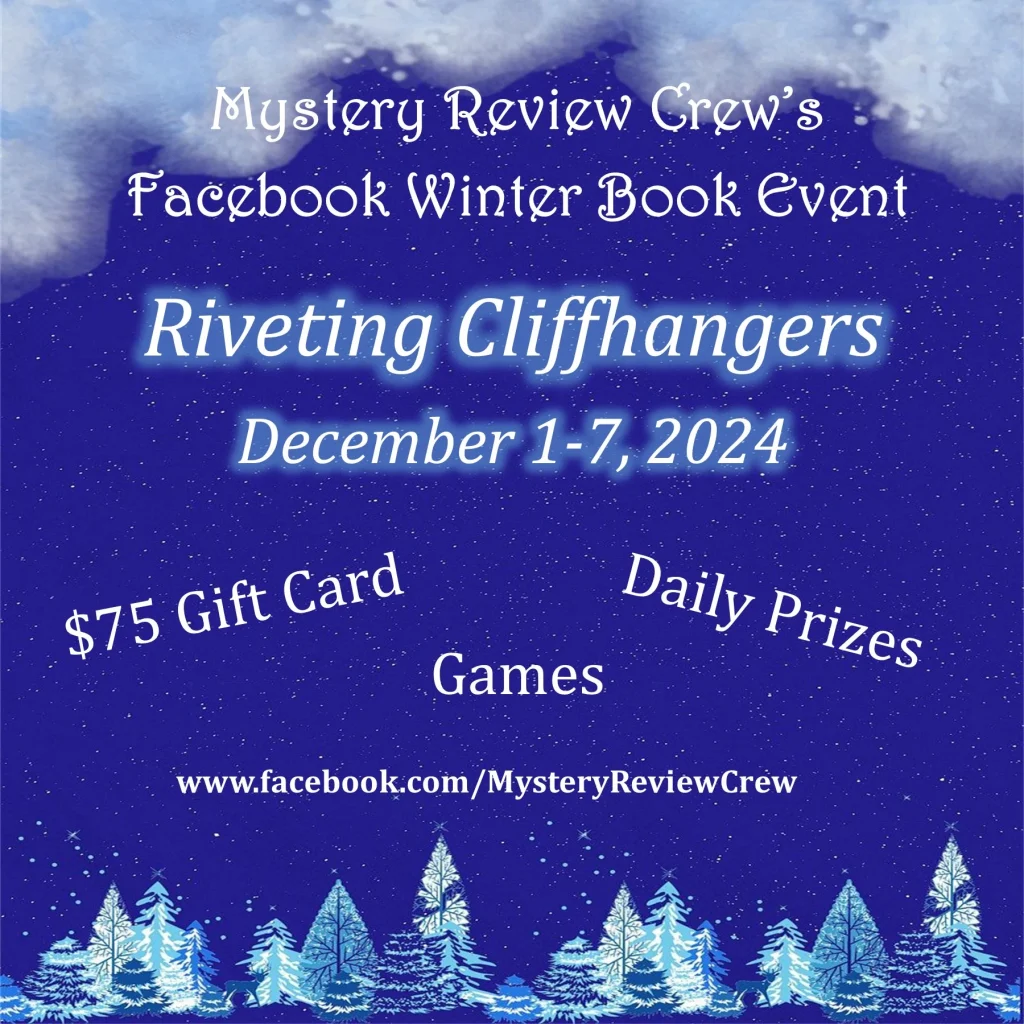
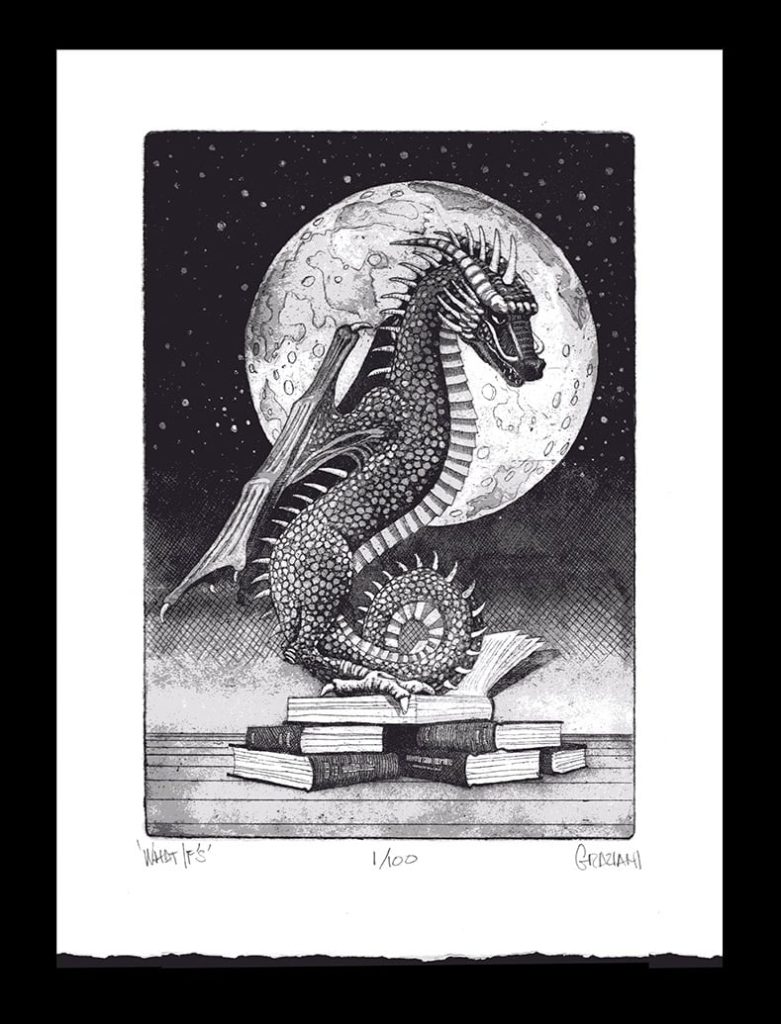
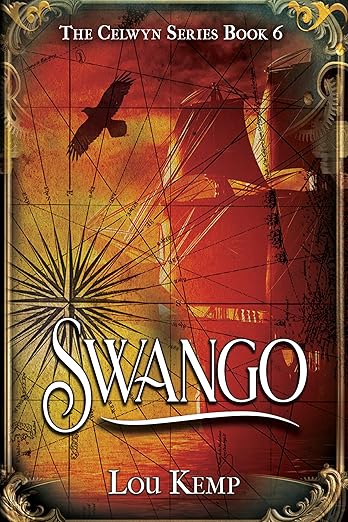

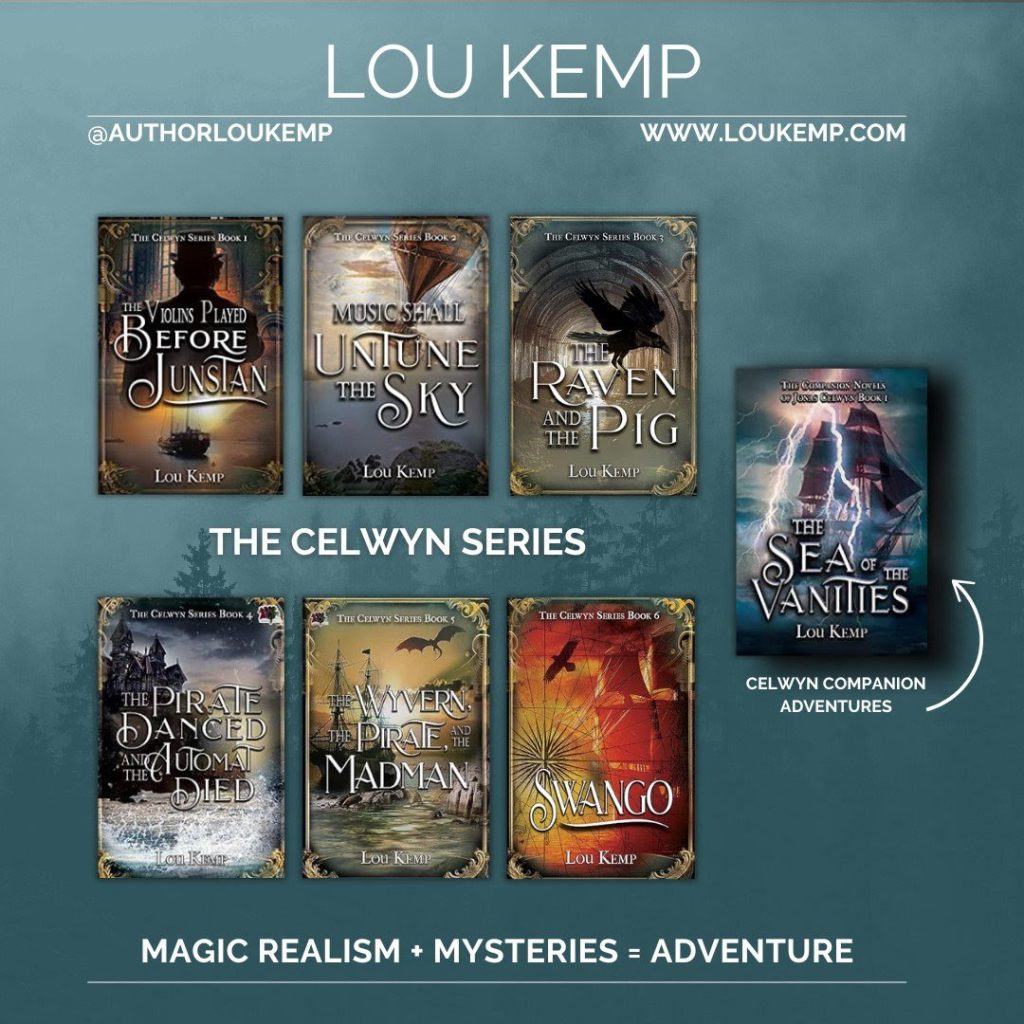

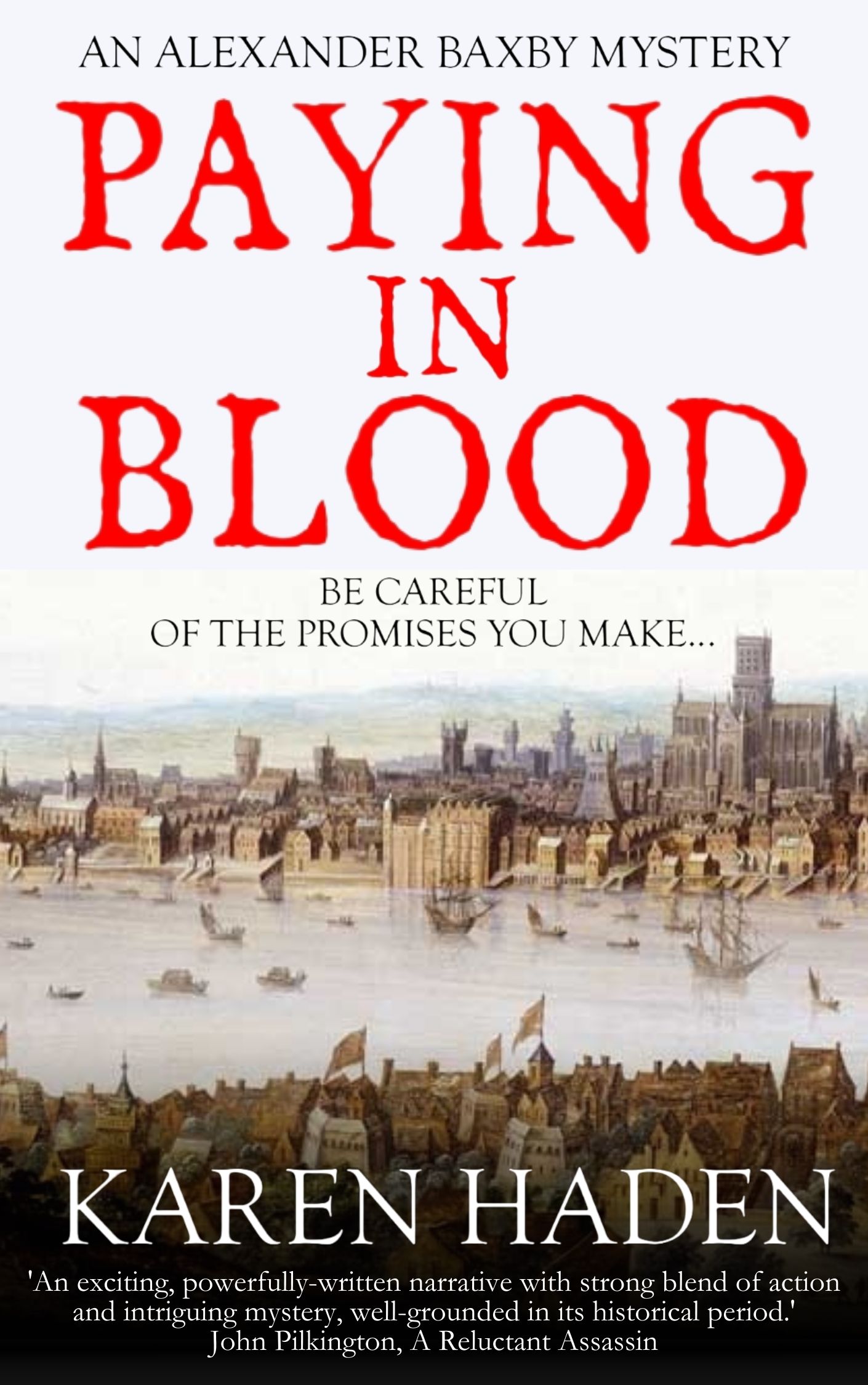 Paying in Blood by Karen Hayden
 Grabbing a Slice of Minnesota Nice by Lucas Lamont
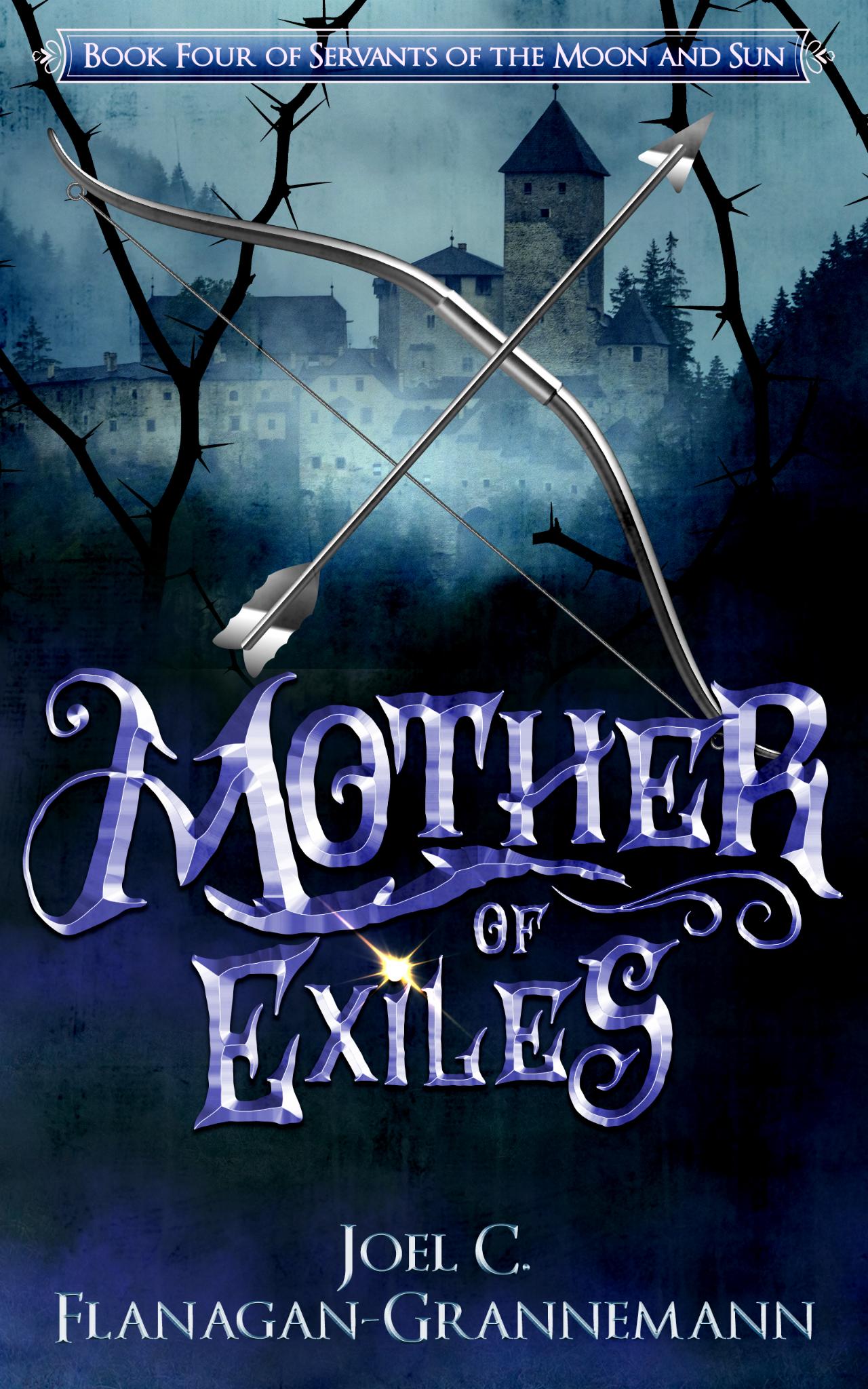 Mother of Exiles, by Joel Flanagan-Grannemann
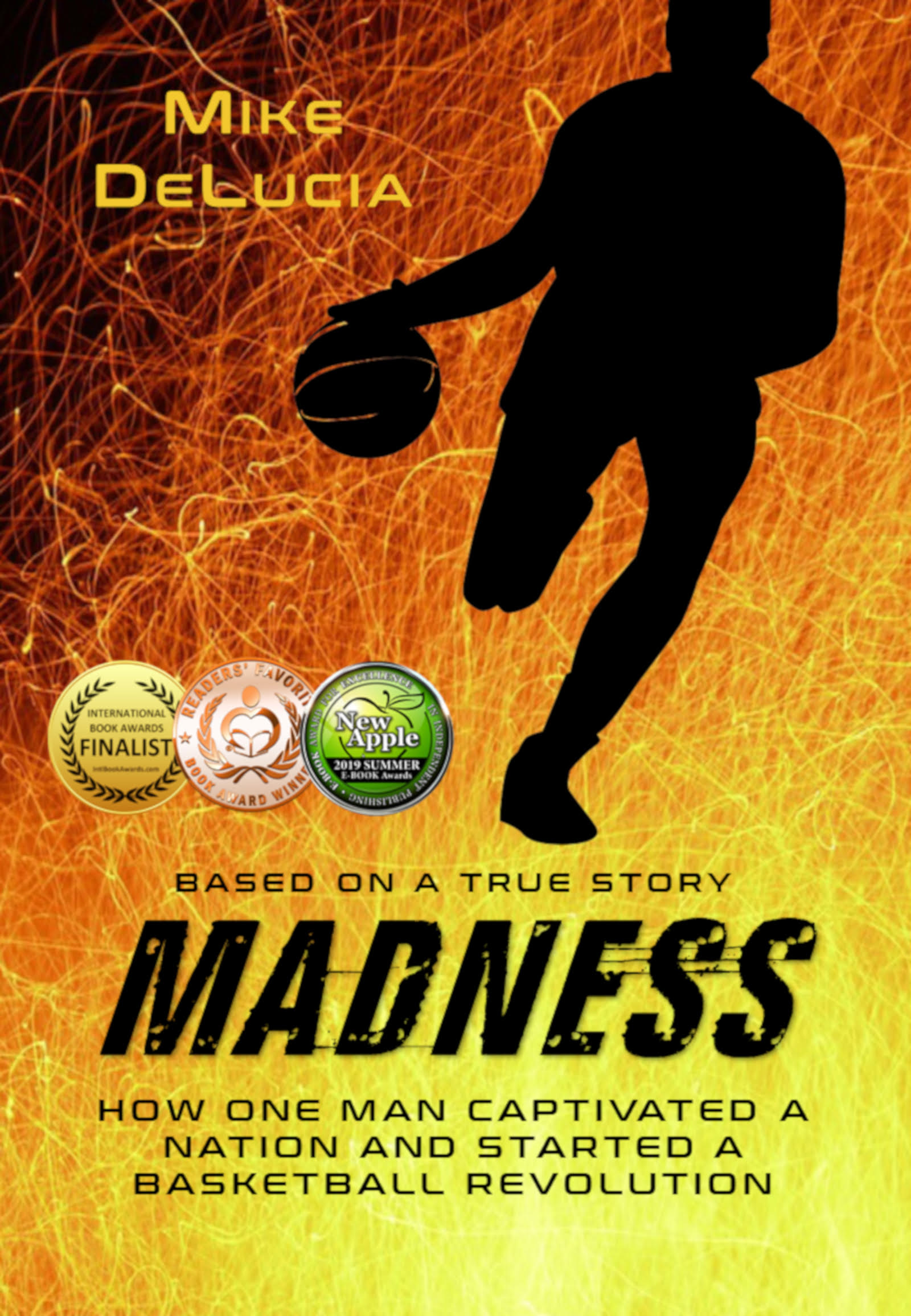 About Basketball….by Mike De Lucia
 The Transit Series by Benjamin X Wretlind
 Deadly Business by Anita Dickason
 Loose Lips by Kemper Donovan
 The Turnbull Murders by Richard Koreto
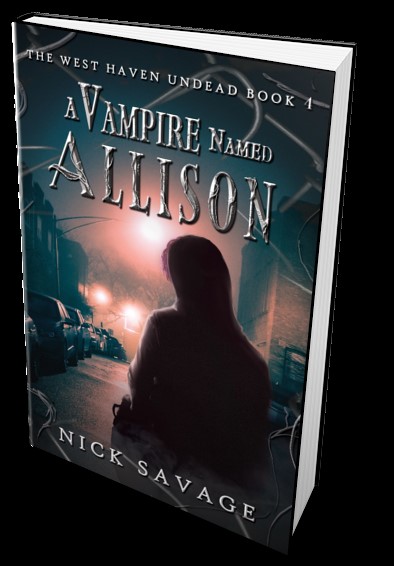 The Vampire Called Allison by Nick Savage
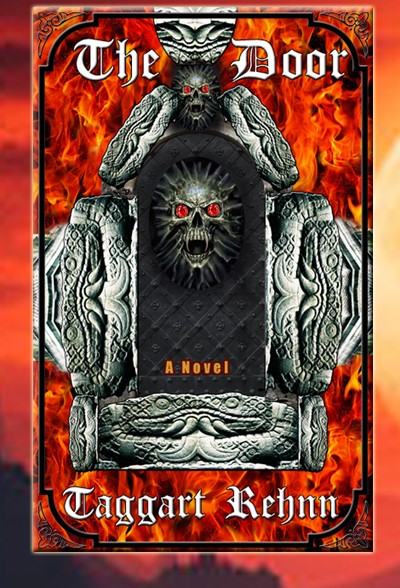 The Door by Taggart Rehnn
 Rise of the Sky Pilot by S. W. Raine
 The Night Circus by Erin Morganstern
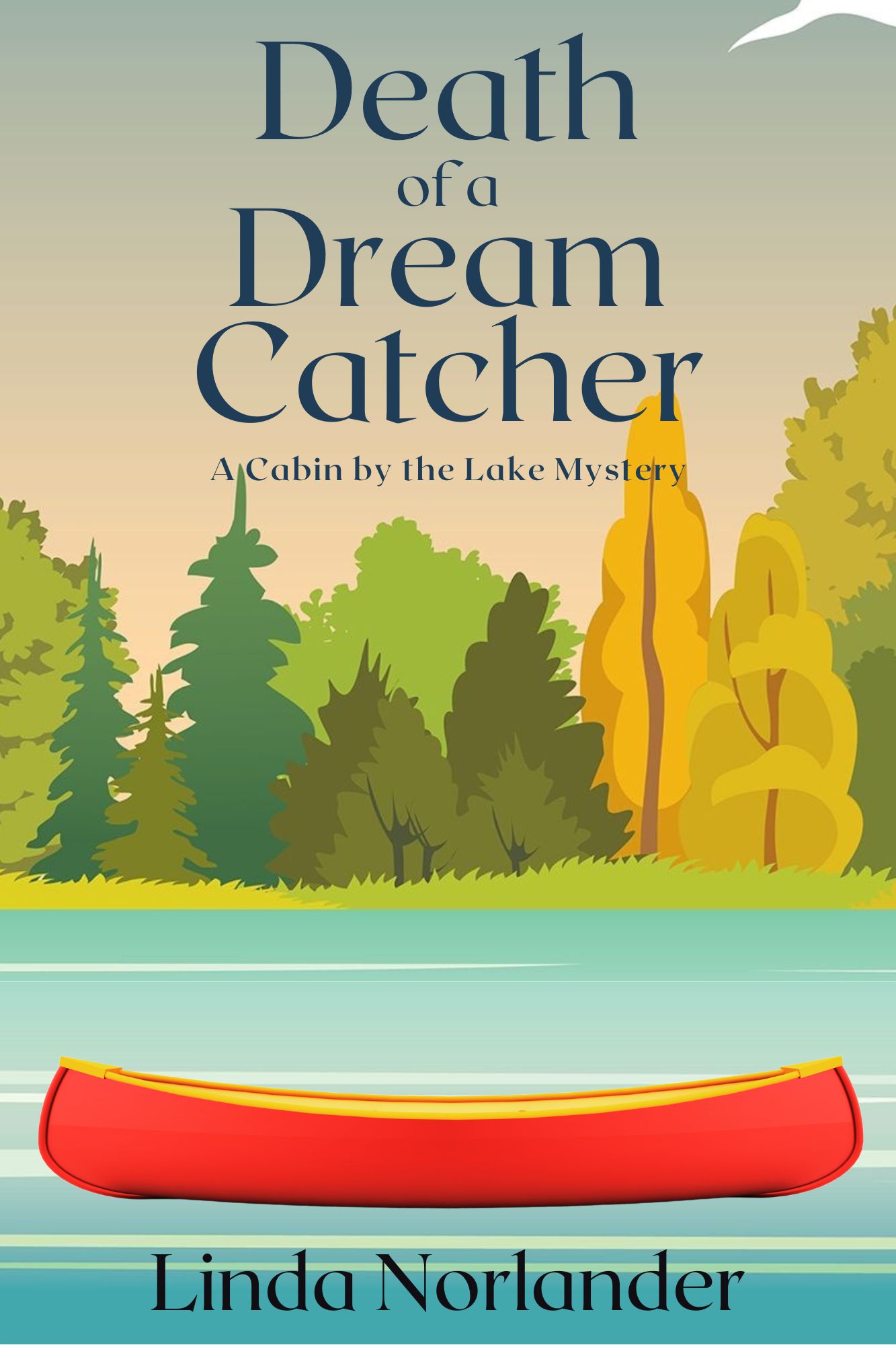 Death of a Dream Catcher by Linda’s Norlander
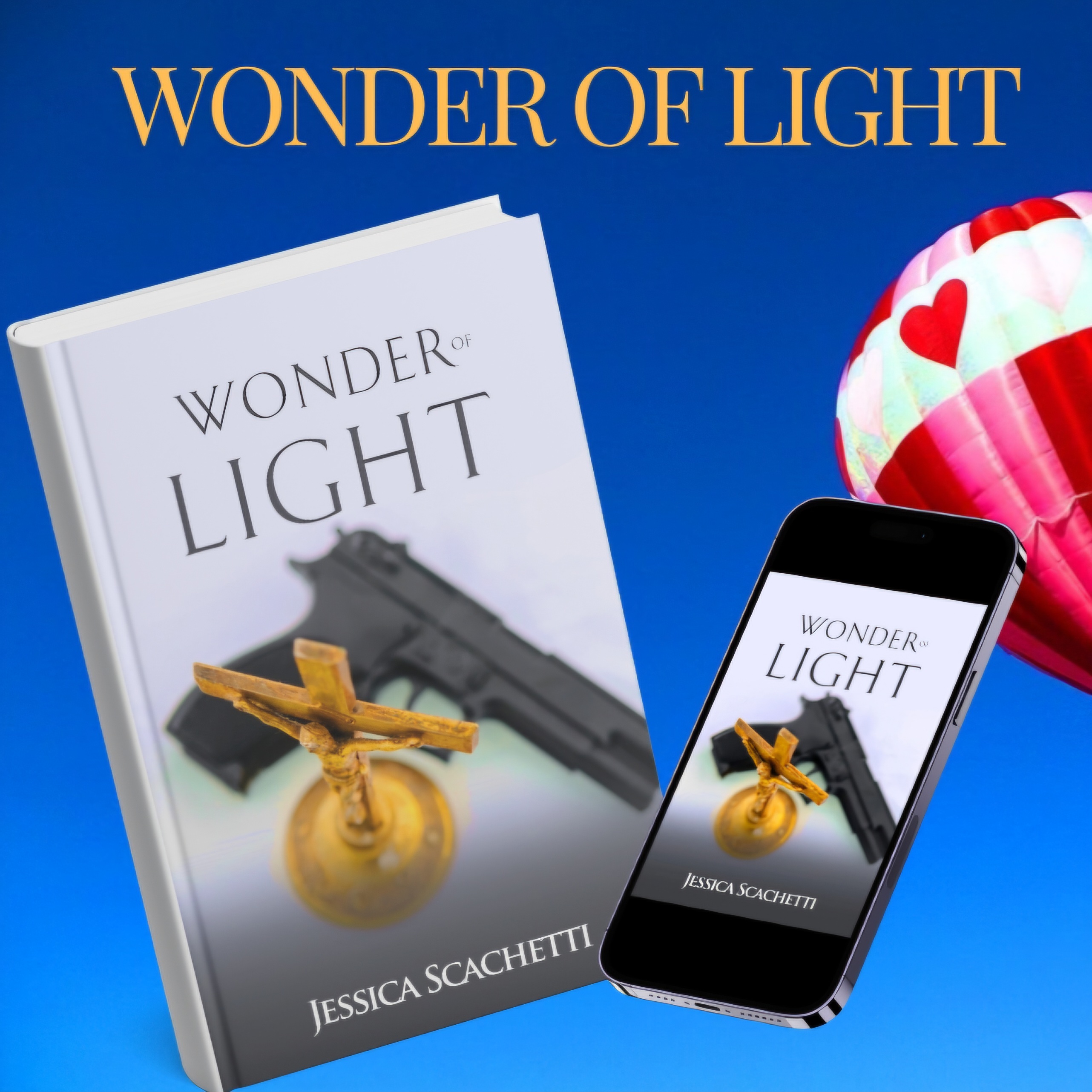 Wonder of Light by Jessica Scatchetti
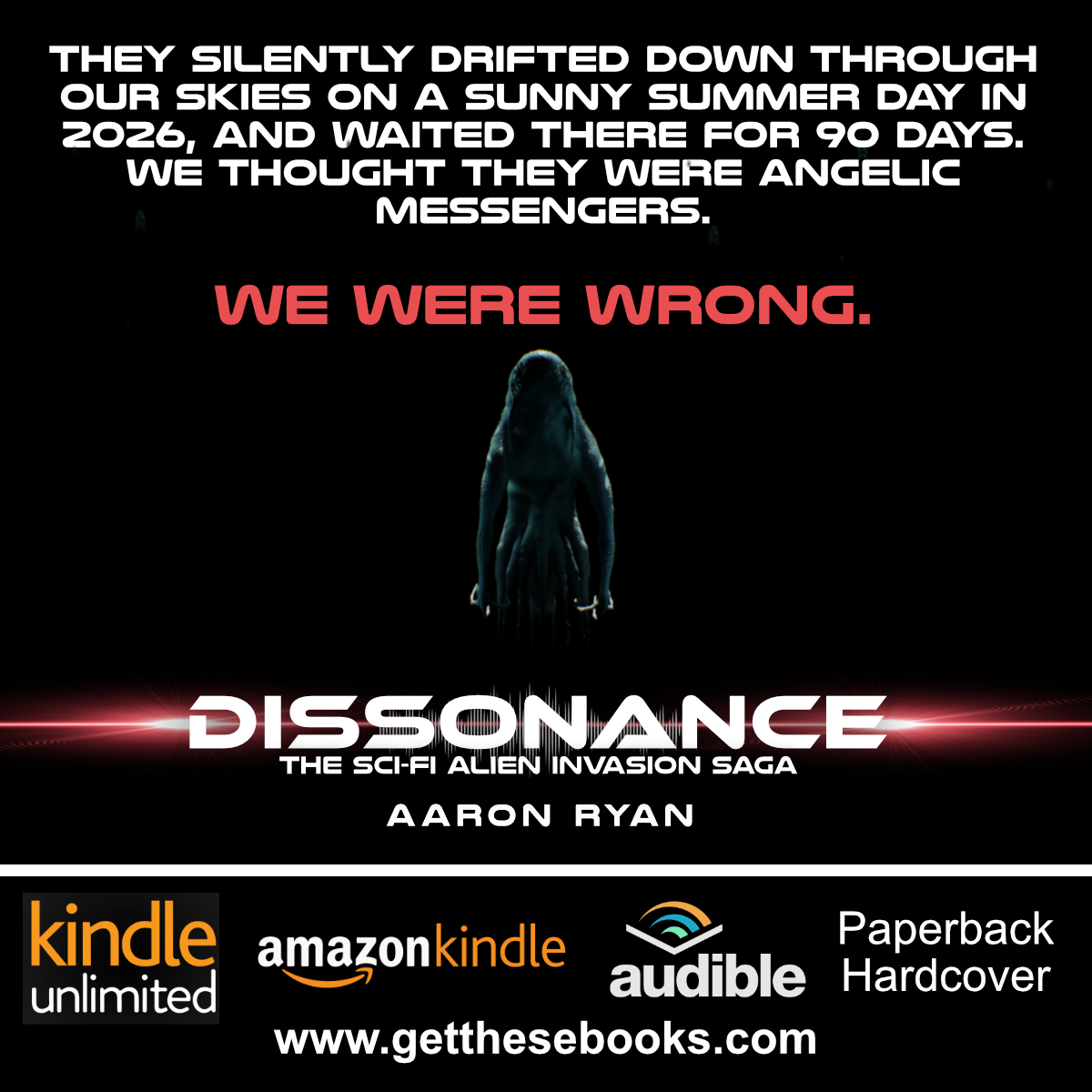 Dissonance by Aaron Ryan
 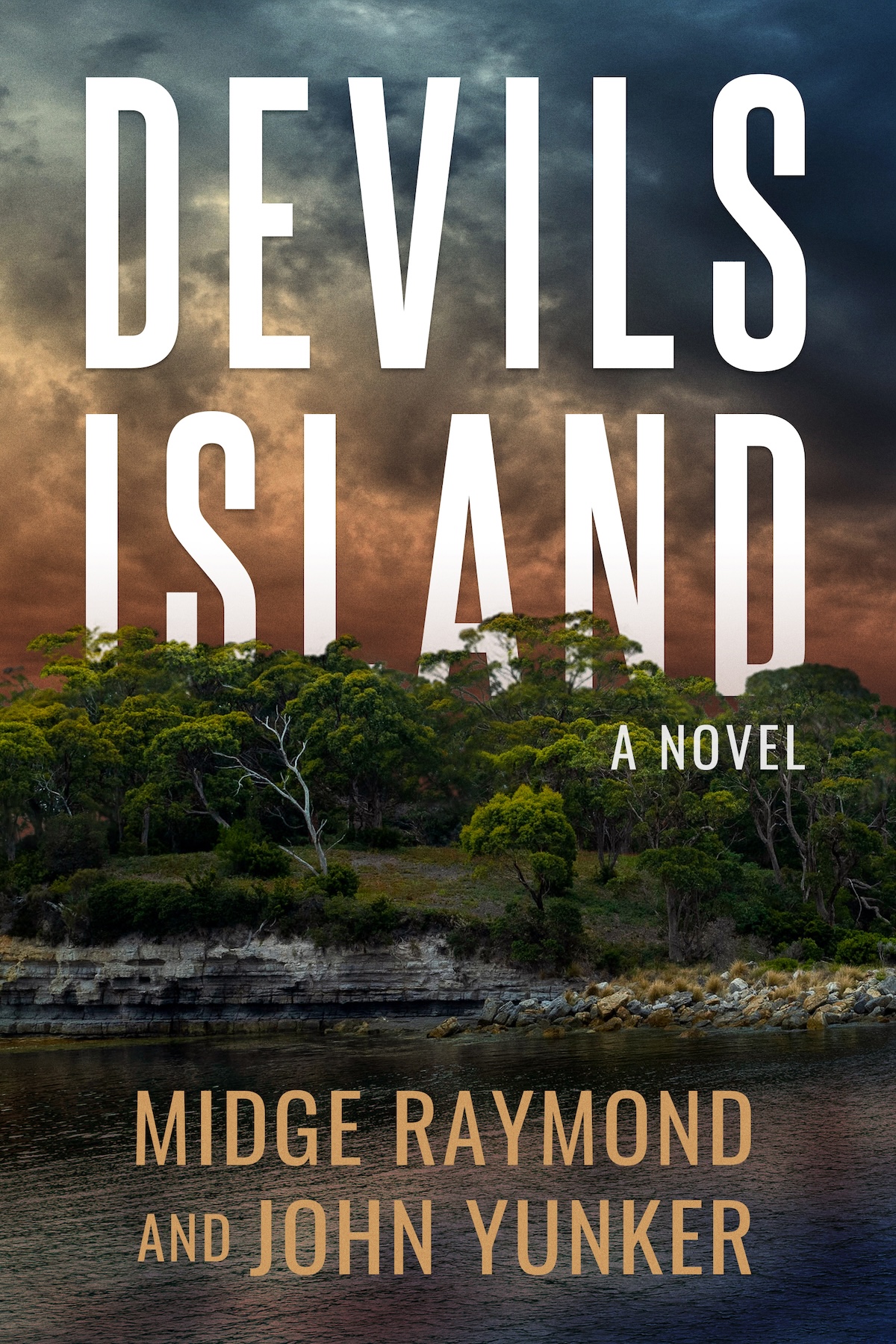 Devils Island by Midge Raymond and John Yunker
 The Bench by Ty Carlson
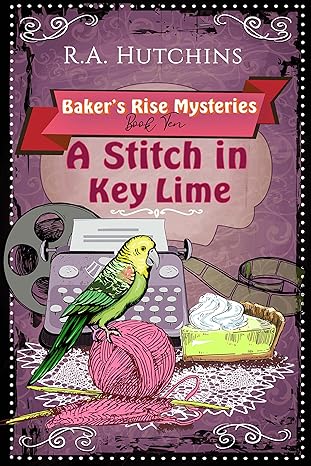 A Stitch in Key Lime by R. A. Hutchins
 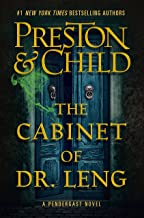 The Cabinet of Dr Leng by Preston and Child
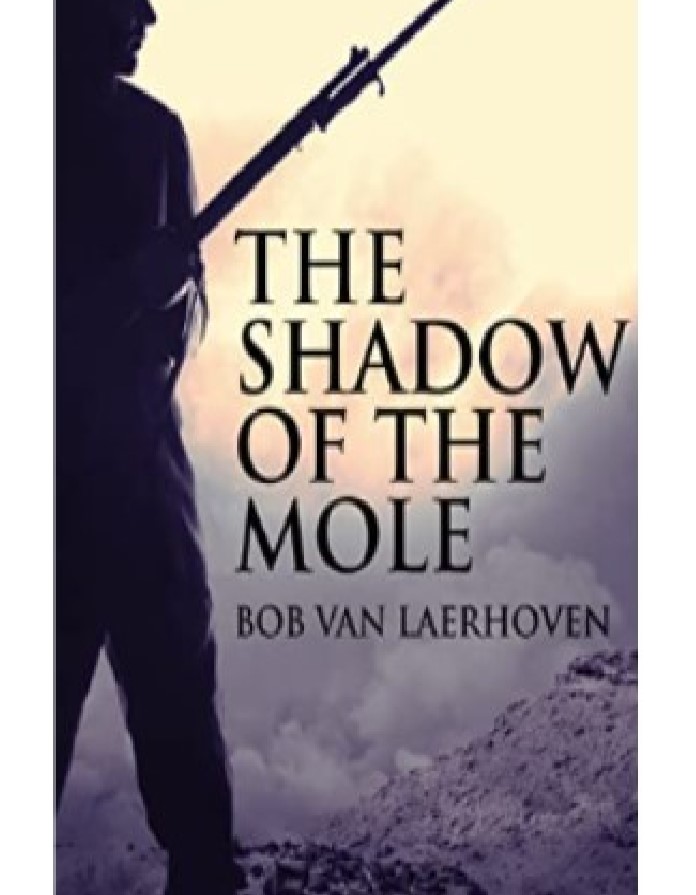 The Shadow of the Mole by Bob Van Laer Hoven
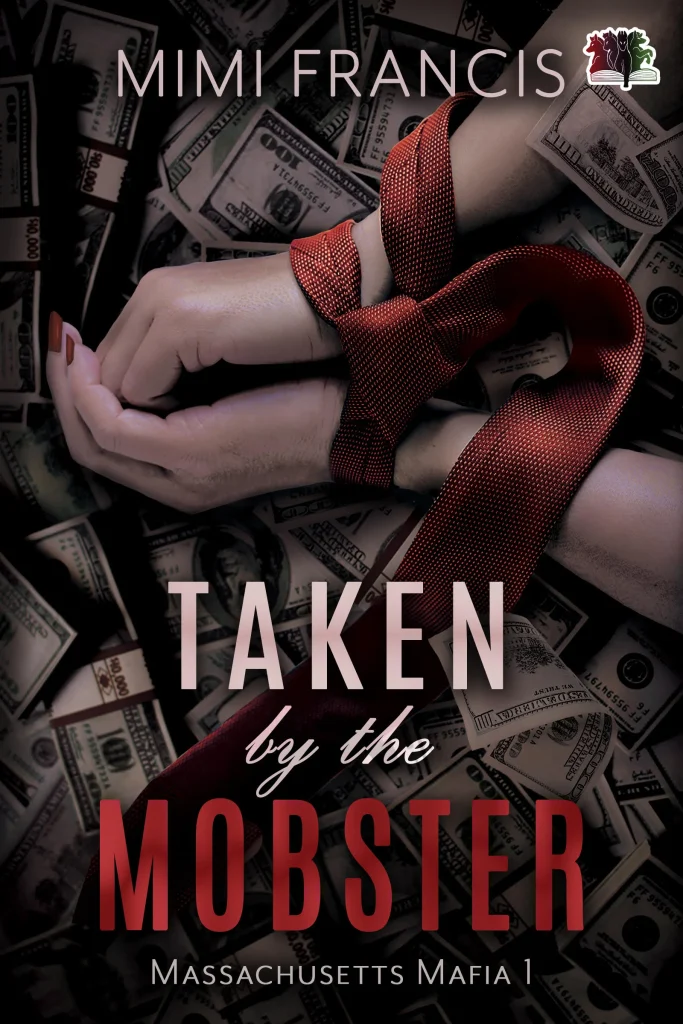
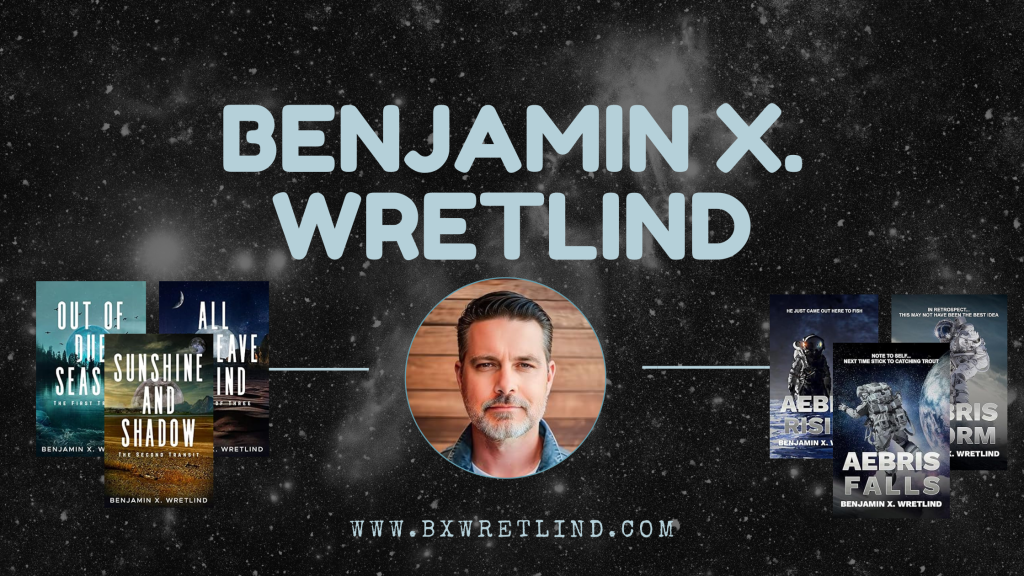
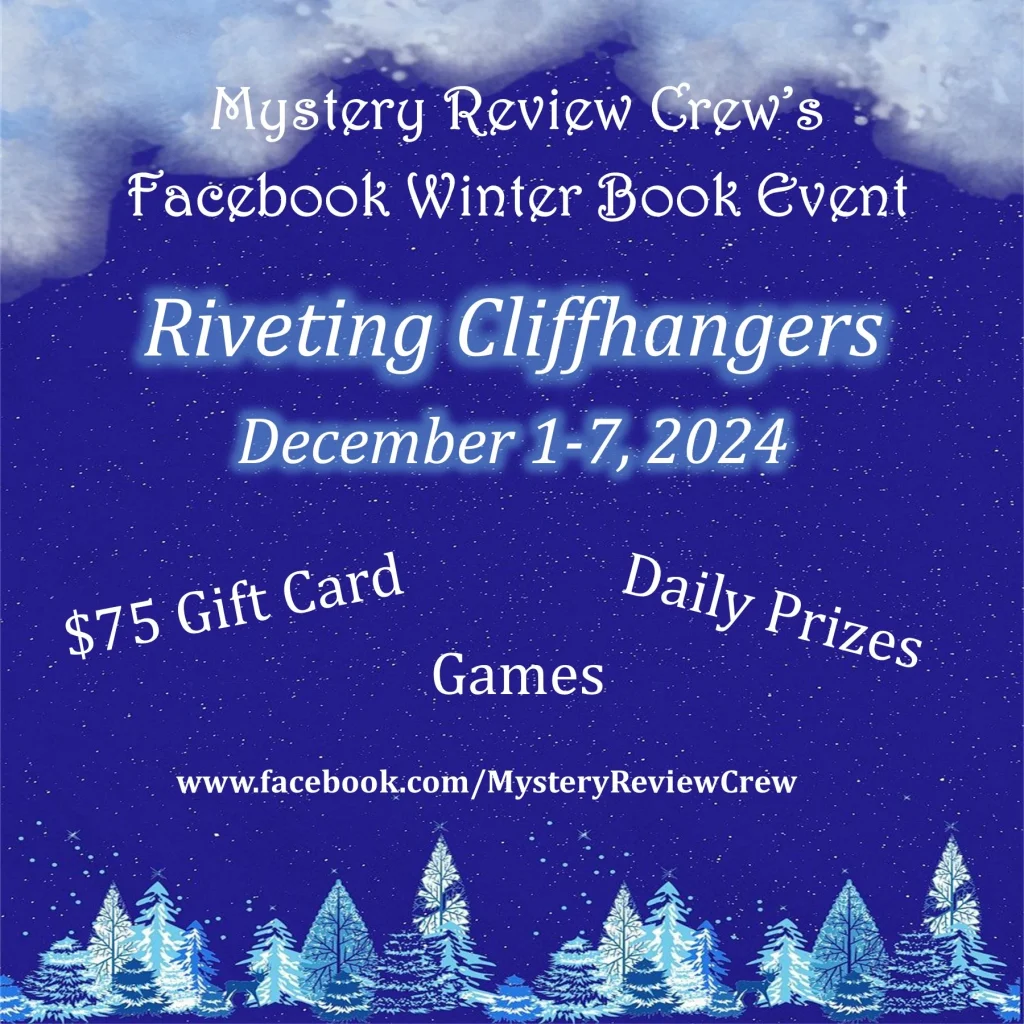
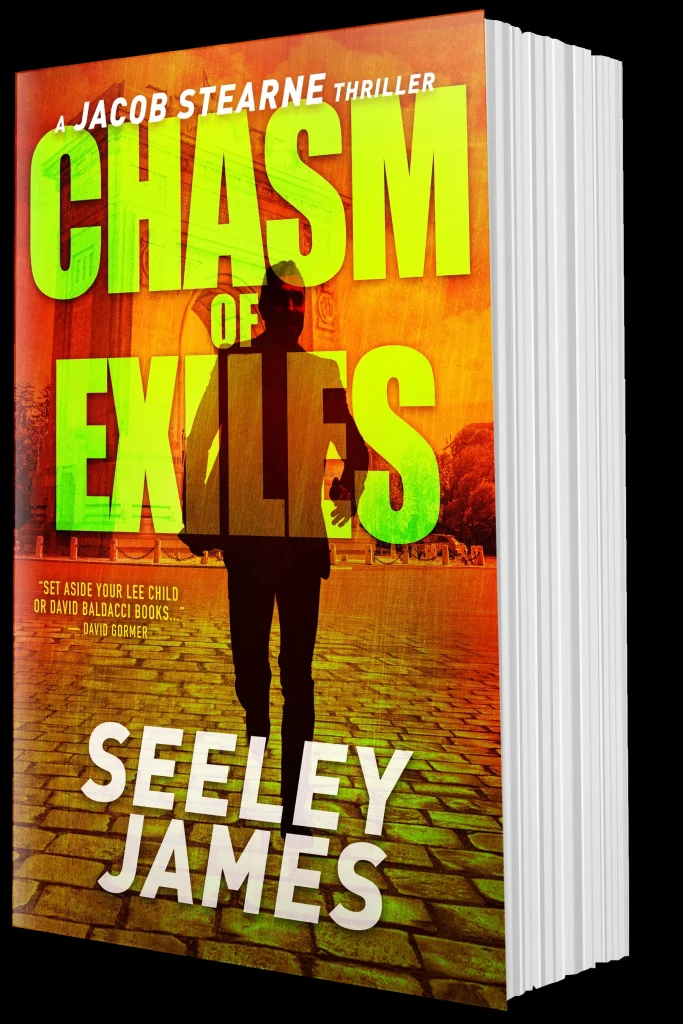
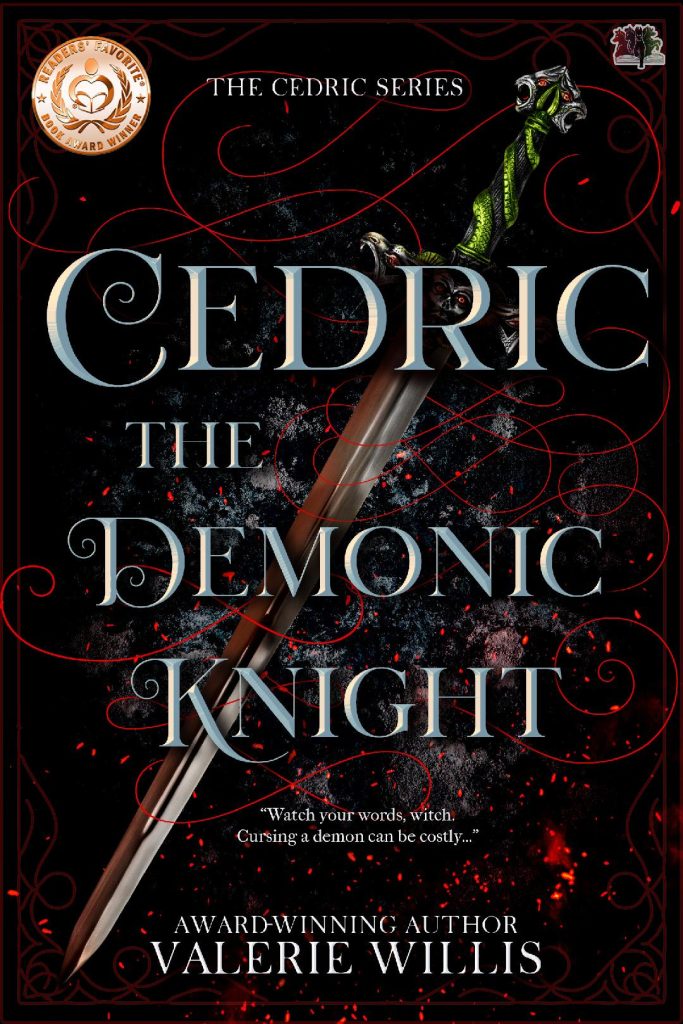
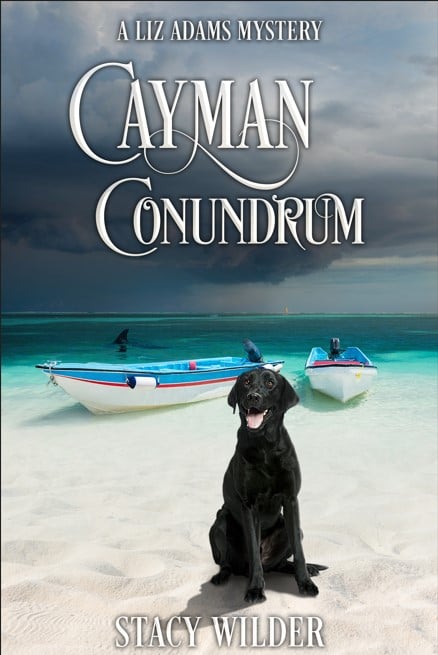 The Cayman Conundrum by Stacy Wilder
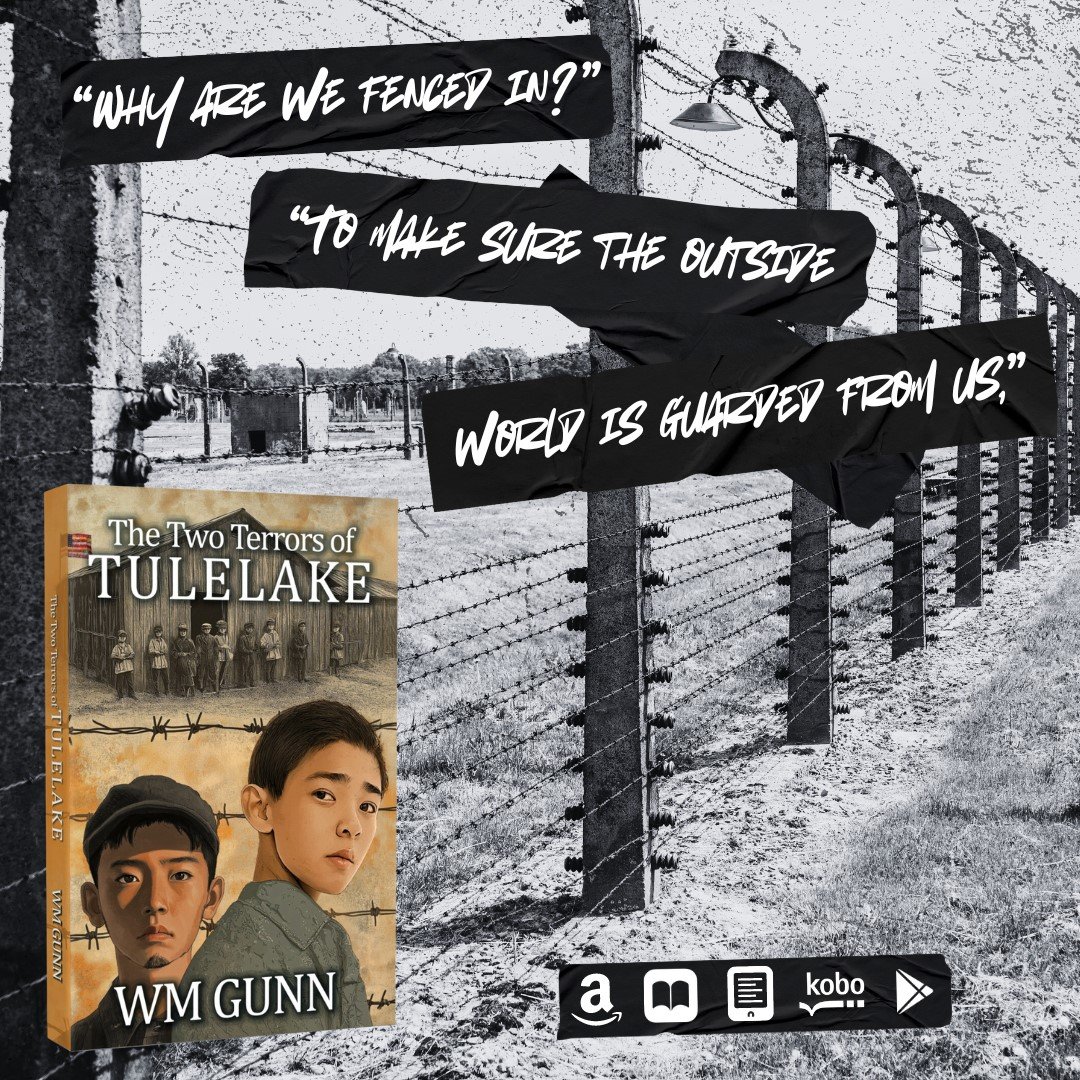 The Two Terrors of Tule Lake by W M Gunn
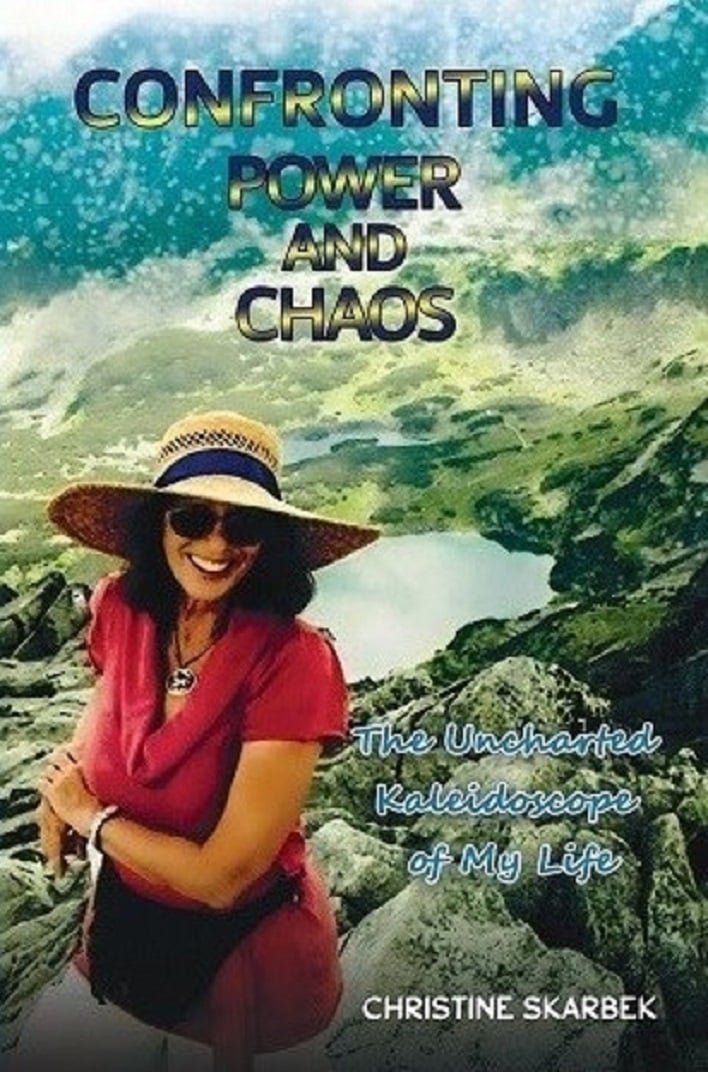 Confronting Power and Chaos by Christine Scarbek
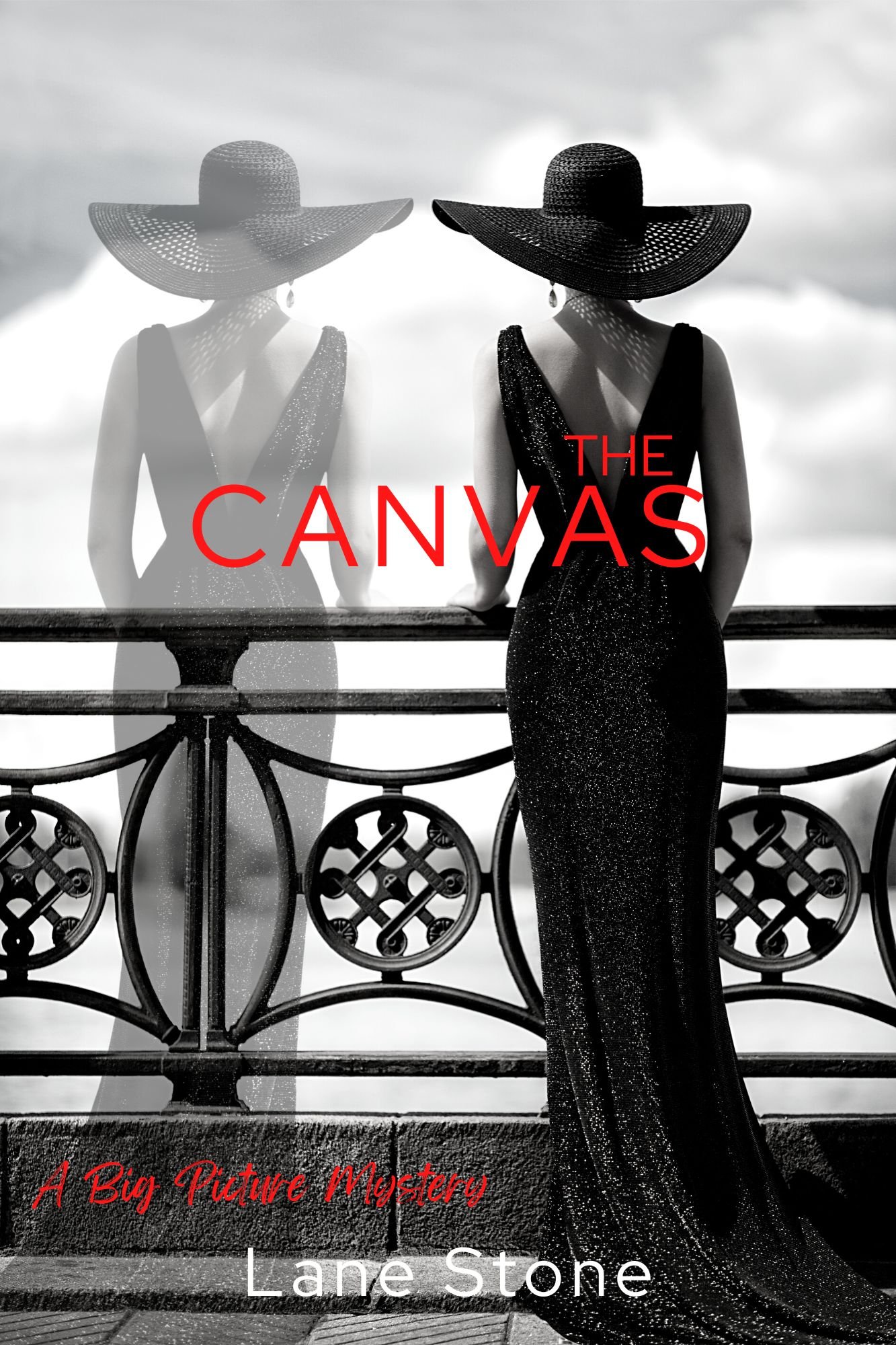 The Canvas by Lane Stone
 Operation Navajo by Anita Dickason
 Aebris Storm by Benjamin X. Wretlind
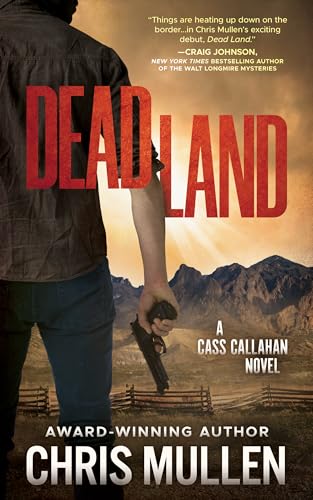 Dead Land by Chris Mullen
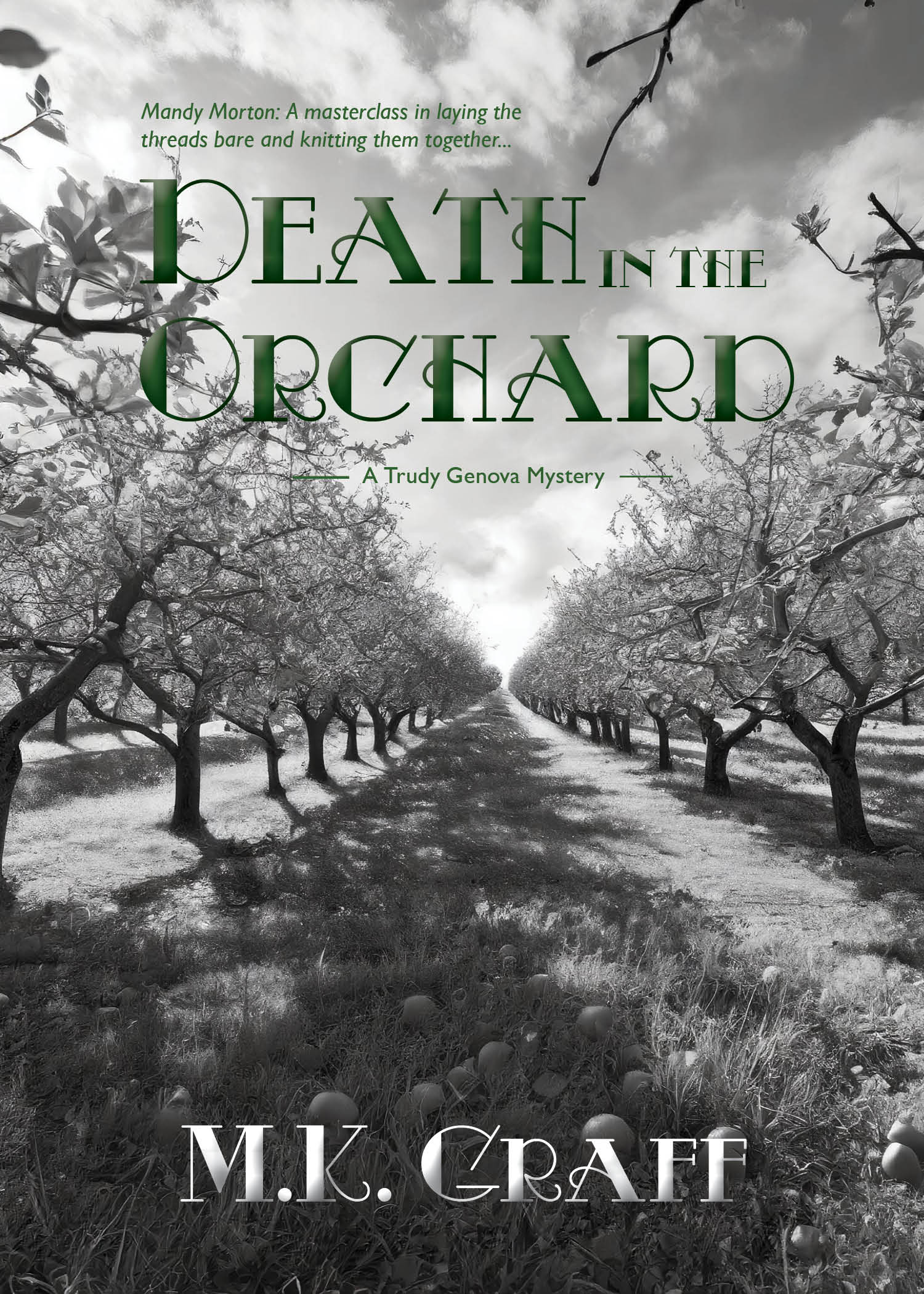 Death in the Orchard by Marni Graff
 Linda’s Norlander’s latest
 Robert Lewis’ Shadow Guardian series
 Nick Savage’s YA adventure
 M J Miller’s mystery to die for.